参考
渡辺論考
https://m-repo.lib.meiji.ac.jp/dspace/bitstream/10291/5986/1/shogakuronso_70_2_73.pdf


未第13巻 一般理論とその後:第I部 準備
The main reason why the problem of crises is unsolved ...is to be found in the lack of what might be called a monetary theory of production.
John Maynard Keynes

J.M. Keynes, 1933, "A Monetary Theory of Production" Festschrift fur Spiethoff
John Maynard Keynes "A Monetary Theory of Production" | 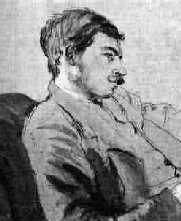 |
___________________________________________________________
"A MONETARY THEORY OF PRODUCTION"
(1933)
[First published in Der Stand und die nächste Zukunft der Konjunkturforschung: Festschrift für Arthur Spiethoff. Munich: Duncker & Humboldt, pp.123-25]
___________________________________________________________

This article by J.M. Keynes was first published without a title in 1933 in Gustav Clausing, editor, Der Stand und die nächste Zukunft der Konjunkturforschung: Festschrift für Arthur Spiethoff, Munich: Duncker & Humboldt, pp.123-125. It was reprinted as "On the Theory of a Monetary Economy" in the Nebraska Journal of Economics and Business, vol. 2, No. 2 (Fall, 1963), pp.7-9. It was reproduced with the title "A Monetary Theory of Production" in D. Moggridge, editor, 1973, Collected Writings of John Maynard Keynes, vol. XIII - The General Theory and After, Part I - Presentation, 1973, London: Macmillan, pp.408-411.
[Note on HET version: This version does not contain pagination as we have not obtained a copy of the original version of the article in the 1933 Festschrift. Formatting (such as italics) is as given in the 1973 CW vol. XIII. As far as we know, this essay is in the public domain. You are free to make use of this electronic version in any way you wish, except for commercial purposes, without asking permission. All comments and corrections of this text are encouraged. Click here for the original PDF version.]
A MONETARY THEORY OF PRODUCTION
In my opinion the main reason why the problem of crises is unsolved, or at any rate why this theory is so unsatisfactory, is to be found in the lack of what might be termed a monetary theory of production.
The distinction which is normally made between a barter economy and a monetary economy depends upon the employment of money as a convenient means of effecting exchanges — as an instrument of great convenience, but transitory and neutral in its effect. It is regarded as a mere link between cloth and wheat, or between the day's labour spent on building the canoe and the day's labour spent on harvesting the crop. It is not supposed to affect the essential nature of the transaction from being, in the minds of those making it, one between real things, or to modify the motives and decisions of the parties to it. Money, that is to say, is employed, but is treated as being in some sense neutral.
That, however, is not the distinction which I have in mind when I say that we lack a monetary theory of production. An economy, which uses money but uses it merely as a neutral link between transactions in real things and real assets and does not allow it to enter into motives and decisions, might be called — for want of a better name — a real-exchange economy. The theory which I desiderate would deal, in contradistinction to this, with an economy in which money plays a part of its own and affects motives and decisions and is, in short, one of the operative factors in the situation, so that the course of events cannot be predicted, either in the long period or in the short, without a knowledge of the behaviour of money between the first state and the last. And it is this which we ought to mean when we speak of a monetary economy.
Most treatises on the principles of economics are concerned mainly, if not entirely, with a real-exchange economy; and — which is more peculiar — the same thing is also largely true of most treatises on the theory of money. In particular, Marshall's Principles of Economics is avowedly concerned with a real-exchange economy; and so, I think, is by far the greater part of the treatises of Professor Pigou — to name those English works on which I have been brought up and with which I am most familiar. But the same thing is also true of the dominant systematic treatises in other languages and countries.
Marshall expressly states (Principles, pp. 61, 62) that he is dealing with relative exchange values. The proposition that the prices of a ton of lead and a ton of tin are £15 and £90 means no more to him in this context than that the value of a ton of tin in terms of lead is six tons (along with a number of other similar propositions). "We may throughout this volume", he explains, "neglect possible changes in the general purchasing power of money. Thus the price of anything will be taken as representative of its exchange value relatively to things in general" (my italics). He quotes Cournot to the effect that "we get the same sort of convenience from assuming the existence of a standard of uniform purchasing power by which to measure value, that astronomers do by assuming that there is a 'mean sun' which crosses the meridian at uniform intervals, so that the clock can keep pace with it; whereas the actual sun crosses the meridian sometimes before and sometimes after noon as shown by the clock". In short, though money is present and is made use of for convenience, it may be considered to cancel out for the purposes of most of the general conclusions of the Principles. Or if we turn to the writings of Professor Pigou, the assumptions of a real exchange economy appear most characteristically in his taking as his normal case that in which the shape of the supply schedule of labour in terms of real wages is virtually independent of the changes in the value of money.
The divergence between the real-exchange economics and my desired monetary economics is, however, most marked and perhaps most important when we come to the discussion of the rate of interest and to the relation between the volume of output and the amount of expenditure.
Everyone would, of course, agree that it is in a monetary economy in my sense of the term that we actually live. Professor Pigou knows as well as anyone that wages are in fact sticky in terms of money. Marshall was perfectly aware that the existence of debts gives a high degree of practical importance to changes in the value of money. Nevertheless it is my belief that the far-reaching and in some respects fundamental differences between the conclusions of a monetary economy and those of the more simplified real-exchange economy have been greatly underestimated by the exponents of the traditional economics; with the result that the machinery of thought with which real-exchange economics has equipped the minds of practitioners in the world of affairs, and also of economists themselves, has led in practice to many erroneous conclusions and policies. The idea that it is comparatively easy to adapt the hypothetical conclusions of a real wage economics to the real world of monetary economics is a mistake. It is extraordinarily difficult to make the adaptation, and perhaps impossible without the aid of a developed theory of monetary economics.
One of the chief causes of confusion lies in the fact that the assumptions of the real-exchange economy have been tacit, and you will search treatises on real-exchange economics in vain for any express statement of the simplifications introduced or for the relationship of its hypothetical conclusions to the facts of the real world. We are not told what conditions have to be fulfilled if money is to be neutral. Nor is it easy to supply the gap. Now the conditions required for the 'neutrality' of money, in the sense in which this is assumed in — again to take this book as a leading example — Marshall's Principles of Economics, are, I suspect, precisely the same as those which will insure that crises do not occur. If this is true, the real-exchange economics, on which most of us have been brought up and with the conclusions of which our minds are deeply impregnated, though a valuable abstraction in itself and perfectly valid as an intellectual conception, is a singularly blunt weapon for dealing with the problems of booms and depressions. For it has assumed away the very matter under investigation.
Even if the above is in some respects an overstatement, it contains, I believe, the clue to our difficulties. This is not the same thing as to say that the problem of booms and depressions is a purely monetary problem. For this statement is generally meant to imply that a complete solution is to be found in banking policy. I am saying that booms and depressions are phenomena peculiar to an economy in which — in some significant sense which I am not attempting to define precisely in this place — money is not neutral.
Accordingly I believe that the next task is to work out in some detail a monetary theory of production, to supplement the real-exchange theories which we already possess. At any rate that is the task on which I am now occupying myself, in some confidence that I am not wasting my time.
J. M. KEYNES
___________________________________________________________
ジョン・メイナード・ケインズ著
(1933)
初出は、Der Stand und die nächste Zukunft der Konjunkturforschung: Festschrift für Arthur Spiethoff. ミュンヘン。Duncker & Humboldt, pp.123-25].
___________________________________________________________
戻る 戻る
J.M.ケインズのこの論文は、1933年にGustav Clausing, editor, Der Stand und die nächste Zukunft der Konjunkturforschungにタイトルなしで初めて掲載された。Festschrift für Arthur Spiethoff, Munich: Duncker & Humboldt, pp.123-125. この論文は、"On the Theory of a Monetary Economy "として、Nebraska Journal of Economics and Business, vol.2, No.2 (Fall, 1963), pp.7-9に転載された。 また、D. Moggridge, editor, 1973, Collected Writings of John Maynard Keynes, vol. XIII - The General Theory and After, Part I - Presentation, 1973, London.に「A Monetary Theory of Production」というタイトルで再録されている。Macmillan, pp.408-411.
HET版の注意点。1933年のFestschriftに掲載された論文の原版を入手していないため、このバージョンにはページネーションが含まれていません。 斜体などのフォーマットは1973年のCW vol.XIIIに記載されている通りである。 このエッセイは、私たちが知る限り、パブリックドメインです。この電子版は、商業目的以外であれば、許可を得ずに自由に利用することができます。この文章のコメントや修正はすべて奨励されます。オリジナルのPDF版はここをクリック】。]
私の考えでは、危機の問題が解決されていない主な理由、あるいは少なくともこの理論が非常に不満足なものである理由は、生産の貨幣理論と呼ばれるものがないことにあると思います。
通常、物々交換経済と貨幣経済の区別は、交換を行う便利な手段としての貨幣の採用にかかっています。つまり、非常に便利な道具ですが、その効果は一過性で中立的です。貨幣は、布と小麦、あるいはカヌーを作るのに費やす一日の労働力と作物を収穫するのに費やす一日の労働力の間の単なる結びつきとみなされている。貨幣は、取引を行う人の心の中にある、現実の物の間の取引であるという取引の本質に影響を与えたり、取引の当事者の動機や決定を修正したりするものではないと考えられています。つまり、お金は使用されるが、ある意味では中立的なものとして扱われる。
しかし、私が「生産の貨幣理論がない」と言うときに念頭に置いているのは、この区別ではない。貨幣を使用しているが、実物や実物資産の取引の間の中立的な結びつきとしてのみ使用し、動機や意思決定に貨幣が入り込むことを許さない経済は、よりよい名称を求めて、実物交換経済と呼ばれるかもしれない。私が望む理論は、これとは対照的に、貨幣がそれ自体の役割を果たし、動機や意思決定に影響を与える経済を扱うものであり、要するに、状況における作用因子の1つであり、最初の状態から最後の状態までの間の貨幣の行動を知らずして、長期的にも短期的にも、出来事の経過を予測することはできない。貨幣経済とは、このようなことを意味しています。
経済学の原理に関するほとんどの論文は、完全ではないにしても、主に実物交換経済に関するものであり、さらに奇妙なことに、同じことが、貨幣理論に関するほとんどの論文にも当てはまる。特に、マーシャルの『経済学原理』は、明らかに実物交換経済に関係していますし、ピグー教授の論文の大部分もそうだと思います--私が育てられ、最も親しんでいる英語の著作を挙げてみましょう。しかし、同じことが他の言語や国で書かれた有力な体系的な論文にも当てはまります。
マーシャルは、自分が扱っているのは相対的な交換価値であると明示している(『原則』61、62ページ)。1トンの鉛と1トンのスズの価格が15ポンドと90ポンドであるという命題は、この文脈では、鉛から見た1トンのスズの価値が6トンであるという命題(他にも似たような命題がいくつかある)よりも、彼にとっては意味がない。"我々はこの巻を通して、貨幣の一般的な購買力に起こりうる変化を無視することができる」と彼は説明する。したがって、あらゆるものの価格は、一般的なものに対する相対的な交換価値の代表とみなされる」(私のイタリック体)。彼はクルノの言葉を引用して、「価値を測るための均一な購買力の基準が存在すると仮定することで、天文学者が子午線を一定の間隔で横切る『平均太陽』があると仮定して時計がそれに追従できるようにするのと同じような便宜を得ることができる。つまり、お金は存在し、便利に使われていますが、『原理講論』の一般的な結論のほとんどは、お金が相殺されていると考えられます。また、ピグー教授の著作に目を向けると、実質的な交換経済の前提が最も特徴的に現れています。ピグー教授は、実質賃金による労働力の供給スケジュールの形が、貨幣価値の変化とは実質的に無関係であることを通常のケースとして取り上げています。
もちろん、我々が実際に生活しているのは、私の意味での貨幣経済であることは誰もが認めるところでしょう。ピグー教授は、賃金が実際にはお金に粘着していることを誰よりもよく知っています。マーシャルは、負債の存在が、貨幣価値の変化に高い実用的な重要性を与えていることを完全に認識していました。それにもかかわらず、伝統的な経済学の提唱者たちは、貨幣経済の結論と、より単純化された実物為替経済の結論との間の、広範囲にわたる、ある意味では根本的な違いを大きく過小評価してきたと私は考えています。その結果、実物為替経済学が世界の実務家や経済学者自身の頭脳に装備した思考の機械は、実際には多くの誤った結論や政策をもたらしてきました。現実の賃金経済学の仮説的な結論を、現実の貨幣経済学の世界に適応させることは比較的容易であるという考えは誤りである。適応させるのは非常に難しく、おそらく発達した貨幣経済学の理論の助けなしには不可能です。
混乱の主な原因の一つは、実物為替経済学の仮定が暗黙の了解となっていることにあります。実物為替経済学の専門書を読んでも、導入された単純化についての明確な記述や、仮想的な結論と現実世界の事実との関係についての記述はありません。貨幣が中立であるためには、どのような条件が満たされなければならないのか、私たちは知らされていません。また、そのギャップを埋めることも容易ではない。さて、マーシャルの『経済学原理』で想定されている意味での貨幣の「中立性」に必要な条件は、危機が起こらないようにするための条件と全く同じではないかと私は考えています。もしこれが事実であれば、私たちのほとんどが育ってきた実物為替経済学は、その結論が私たちの心に深く浸透していますが、それ自体は貴重な抽象的概念であり、知的概念としては完全に有効ですが、好況や恐慌の問題に対処するための極めて鈍い武器となります。なぜなら、それは調査対象となっている問題そのものを放棄しているからである。
上記は、ある意味では言い過ぎであるとしても、私たちの困難を解決するための手がかりを含んでいると思います。これは、好況と恐慌の問題が純粋に貨幣の問題であると言うこととは違います。この発言は一般的に、銀行政策に完全な解決策があることを意味しているからです。私が言いたいのは、好況や恐慌は、この場では正確に定義しようとはしませんが、ある重要な意味で、貨幣が中立ではない経済に特有の現象であるということです。
したがって、次の課題は、我々がすでに持っている実物交換理論を補完するために、生産に関する貨幣理論をある程度詳細に作り上げることだと考えています。いずれにしても、これが私が今取り組んでいる課題であり、時間を無駄にしていないという確信があります。
J. J.M.ケインズ

生産の貨幣理論
返信削除私の考えでは、危機の問題が解決されていない主な理由、あるいは少なくともこの理論が非常に不満足なものである理由は、生産の貨幣理論と呼ばれるものがないことにあると思います。
通常、物々交換経済と貨幣経済の区別は、交換を行う便利な手段としての貨幣の採用にかかっています。つまり、非常に便利な道具ですが、その効果は一過性で中立的です。貨幣は、布と小麦、あるいはカヌーを作るのに費やす一日の労働力と作物を収穫するのに費やす一日の労働力の間の単なる結びつきとみなされている。貨幣は、取引を行う人の心の中にある、現実の物の間の取引であるという取引の本質に影響を与えたり、取引の当事者の動機や決定を修正したりするものではないと考えられています。つまり、お金は使用されるが、ある意味では中立的なものとして扱われる。
しかし、私が「生産の貨幣理論がない」と言うときに念頭に置いているのは、この区別ではない。貨幣を使用しているが、実物や実物資産の取引の間の中立的な結びつきとしてのみ使用し、動機や意思決定に貨幣が入り込むことを許さない経済は、よりよい名称を求めて、実物交換経済と呼ばれるかもしれない。私が望む理論は、これとは対照的に、貨幣がそれ自体の役割を果たし、動機や意思決定に影響を与える経済を扱うものであり、要するに、状況における作用因子の1つであり、最初の状態から最後の状態までの間の貨幣の行動を知らずして、長期的にも短期的にも、出来事の経過を予測することはできない。貨幣経済とは、このようなことを意味しています。
経済学の原理に関するほとんどの論文は、完全ではないにしても、主に実物交換経済に関するものであり、さらに奇妙なことに、同じことが、貨幣理論に関するほとんどの論文にも当てはまる。特に、マーシャルの『経済学原理』は、明らかに実物交換経済に関係していますし、ピグー教授の論文の大部分もそうだと思います--私が育てられ、最も親しんでいる英語の著作を挙げてみましょう。しかし、同じことが他の言語や国で書かれた有力な体系的な論文にも当てはまります。
マーシャルは、自分が扱っているのは相対的な交換価値であると明示している(『原則』61、62ページ)。1トンの鉛と1トンのスズの価格が15ポンドと90ポンドであるという命題は、この文脈では、鉛から見た1トンのスズの価値が6トンであるという命題(他にも似たような命題がいくつかある)よりも、彼にとっては意味がない。"我々はこの巻を通して、貨幣の一般的な購買力に起こりうる変化を無視することができる」と彼は説明する。したがって、あらゆるものの価格は、一般的なものに対する相対的な交換価値の代表とみなされる」(私のイタリック体)。彼はクルノの言葉を引用して、「価値を測るための均一な購買力の基準が存在すると仮定することで、天文学者が子午線を一定の間隔で横切る『平均太陽』があると仮定して時計がそれに追従できるようにするのと同じような便宜を得ることができる。つまり、お金は存在し、便利に使われていますが、『原理講論』の一般的な結論のほとんどは、お金が相殺されていると考えられます。また、ピグー教授の著作に目を向けると、実質的な交換経済の前提が最も特徴的に現れています。ピグー教授は、実質賃金による労働力の供給スケジュールの形が、貨幣価値の変化とは実質的に無関係であることを通常のケースとして取り上げています。
www.DeepL.com/Translator(無料版)で翻訳しました。
しかし、実物為替経済学と私の望む貨幣経済学との間の乖離は、金利の議論や、生産量と支出額との関係の議論になると、最も顕著であり、おそらく最も重要なものとなります。
返信削除もちろん、我々が実際に生活しているのは、私の意味での貨幣経済であることは誰もが認めるところでしょう。ピグー教授は、賃金が実際にはお金に粘着していることを誰よりもよく知っています。マーシャルは、負債の存在が、貨幣価値の変化に高い実用的な重要性を与えていることを完全に認識していました。それにもかかわらず、伝統的な経済学の提唱者たちは、貨幣経済の結論と、より単純化された実物為替経済の結論との間の、広範囲にわたる、ある意味では根本的な違いを大きく過小評価してきたと私は考えています。その結果、実物為替経済学が世界の実務家や経済学者自身の頭脳に装備した思考の機械は、実際には多くの誤った結論や政策をもたらしてきました。現実の賃金経済学の仮説的な結論を、現実の貨幣経済学の世界に適応させることは比較的容易であるという考えは誤りである。適応させるのは非常に難しく、おそらく発達した貨幣経済学の理論の助けなしには不可能です。
混乱の主な原因の一つは、実物為替経済学の仮定が暗黙の了解となっていることにあります。実物為替経済学の専門書を読んでも、導入された単純化についての明確な記述や、仮想的な結論と現実世界の事実との関係についての記述はありません。貨幣が中立であるためには、どのような条件が満たされなければならないのか、私たちは知らされていません。また、そのギャップを埋めることも容易ではない。さて、マーシャルの『経済学原理』で想定されている意味での貨幣の「中立性」に必要な条件は、危機が起こらないようにするための条件と全く同じではないかと私は考えています。もしこれが事実であれば、私たちのほとんどが育ってきた実物為替経済学は、その結論が私たちの心に深く浸透していますが、それ自体は貴重な抽象的概念であり、知的概念としては完全に有効ですが、好況や恐慌の問題に対処するための極めて鈍い武器となります。なぜなら、それは調査対象となっている問題そのものを放棄しているからである。
上記は、ある意味では言い過ぎであるとしても、私たちの困難を解決するための手がかりを含んでいると思います。これは、好況と恐慌の問題が純粋に貨幣の問題であると言うこととは違います。この発言は一般的に、銀行政策に完全な解決策があることを意味しているからです。私が言いたいのは、好況や恐慌は、この場では正確に定義しようとはしませんが、ある重要な意味で、貨幣が中立ではない経済に特有の現象であるということです。
したがって、次の課題は、我々がすでに持っている実物交換理論を補完するために、生産に関する貨幣理論をある程度詳細に作り上げることだと考えています。いずれにしても、これが私が今取り組んでいる課題であり、時間を無駄にしていないという確信があります。
J. J.M.ケインズ
www.DeepL.com/Translator(無料版)で翻訳しました。
"生産の貨幣理論
返信削除ジョン・メイナード・ケインズ著
(1933)
初出は、Der Stand und die nächste Zukunft der Konjunkturforschung: Festschrift für Arthur Spiethoff. ミュンヘン。Duncker & Humboldt, pp.123-25].
___________________________________________________________
戻る 戻る
J.M.ケインズのこの論文は、1933年にGustav Clausing, editor, Der Stand und die nächste Zukunft der Konjunkturforschungにタイトルなしで初めて掲載された。Festschrift für Arthur Spiethoff, Munich: Duncker & Humboldt, pp.123-125. この論文は、"On the Theory of a Monetary Economy "として、Nebraska Journal of Economics and Business, vol.2, No.2 (Fall, 1963), pp.7-9に転載された。 また、D. Moggridge, editor, 1973, Collected Writings of John Maynard Keynes, vol. XIII - The General Theory and After, Part I - Presentation, 1973, London.に「A Monetary Theory of Production」というタイトルで再録されている。Macmillan, pp.408-411.
HET版の注意点。1933年のFestschriftに掲載された論文の原版を入手していないため、このバージョンにはページネーションが含まれていません。 斜体などのフォーマットは1973年のCW vol.XIIIに記載されている通りである。 このエッセイは、私たちが知る限り、パブリックドメインです。この電子版は、商業目的以外であれば、許可を得ずに自由に利用することができます。この文章のコメントや修正はすべて奨励されます。オリジナルのPDF版はここをクリック】。]
www.DeepL.com/Translator(無料版)で翻訳しました。