On Economics And Democracy
High unemployment is extremely dangerous.
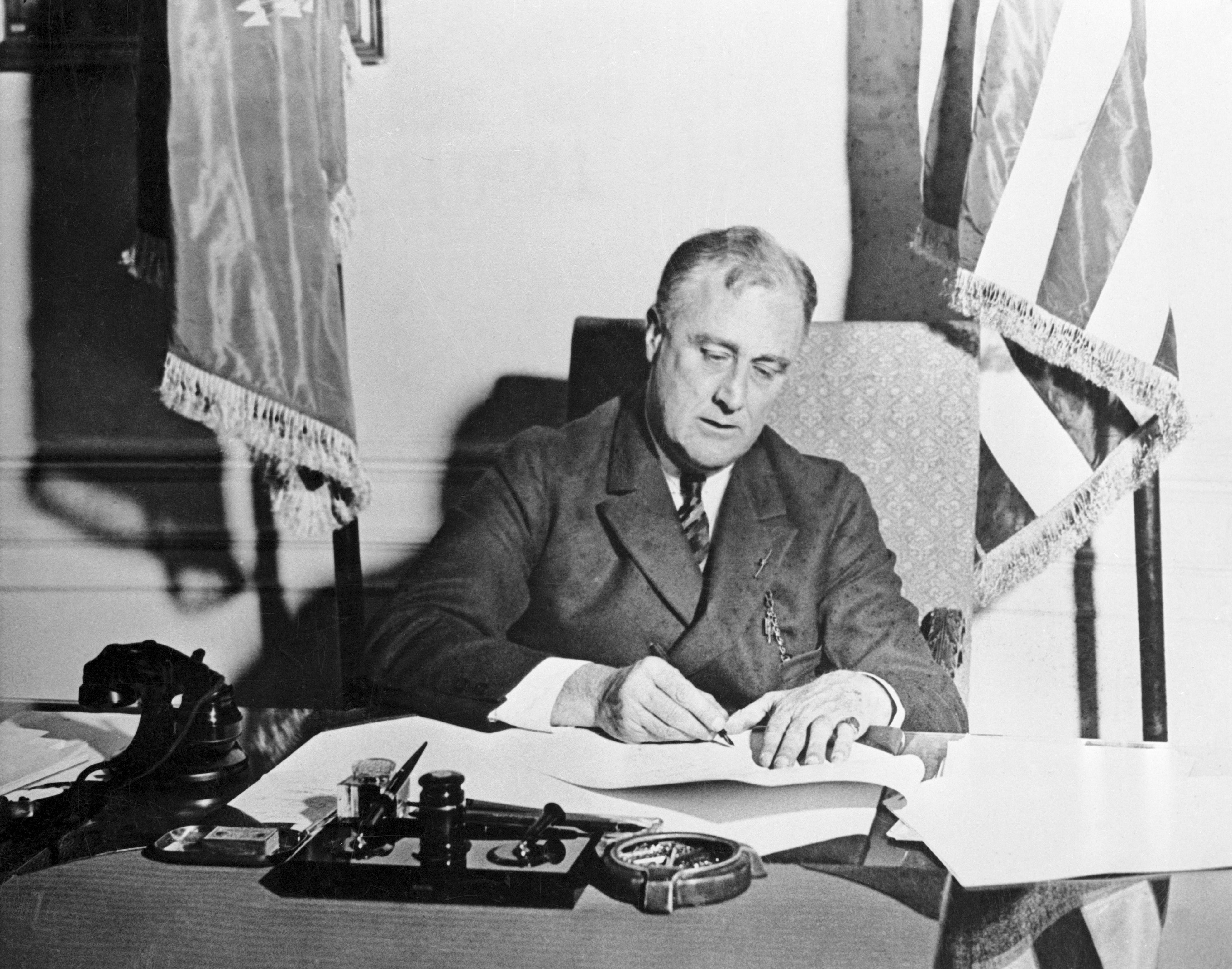
今週初め、リア・ハント・ヘンドリックスとアダム・ジェントルソンが主催するワシントンでの集会で、彼らが「インクルーシブポピュリズム」と呼んでいるものについて話しました。イベントでブレイク・ホーンシェルのニューヨークタイムズの記事を読むことをみんなにお勧めし、私の講演の全文を以下に含めました。
ご覧のとおり、講演は現在のマクロランドスケープよりもはるかに広い軌道を帯びました。しかし、私は最近の失業に夢中になって、経済談話に根ざした点を強調したい。ラリー・サマーズやシーラ・ベアのような人々が、現在の価格圧力の解決策としてポール・ボルカーと2桁の失業の妖怪を呼び出すことは非常に危険です。故意に解雇の波を設計することは、インフレの主な要因には対処せず、高い失業率は、私たちの民主主義が明らかに脆弱であり、権威主義が世界中で行進しているときにアメリカの社会契約を損なうでしょう。民主主義が生き残るためには、働く人々のために働かなければならない。
講演は次のとおりです。
21世紀の民主党員が1931年の民主党について言える肯定的なことはあまりありません。南部では、党はジム・クロウの行政および執行メカニズムとして機能した。2人の現職民主党上院議員はクー・クラックス・クランのメンバーであり、クランがジョージア州とオレゴン州と同じくらい遠く離れた州に5人の民主党知事を設置することに成功した1920年代に他の5人の民主党上院議員がクランによって厳選されていました。
一部の北部都市の民主党の機械はしばしば移民コミュニティのニーズに応えたが、連邦レベルでは、党は猛烈に反移民だった。1924年、158人の下院民主党員が移民を根本的に削減することに投票し、反対はわずか37人しかいない。上院民主党は取り締まりに賛成して33対3で投票した。
女性は1931年に投票を許可されたが、1918年と1919年に女性参政権の投票を4回魚雷で打ち、過半数をマーシャルできなかったときに投票を阻止するために議事妨害した南部民主党の反対に対してそうした。
民主党の経済学は正式にはレッセフェールでしたが、州レベルと連邦レベルの両方で民主党は労働組合、労働法、最低賃金規制を非難する際に、銀行家や鉄道男爵に補助金をシャベルしました。典型的な南部民主党員は経済的にリベラルで社会的に保守的ではなかった - 彼は経済的に保守的で社会的に暴力的だった。
これらすべての恐怖が何らかの止められない選挙大国に加われば興味深いだろうが、実際には1931年の民主党は選挙に勝つのにひどかった。南北戦争後の66年間のうちわずか10年で上院多数派を享受し、その期間中に大統領を務めていた民主党員は2人だけで、どちらもほぼ包括的な政治的洗い流しの中で辞任した。
要するに、1931年、民主党は人種差別的で無能で、富裕層によって支配され、誰もが覚えている限り存在していた。
しかし、1936年、民主党の大統領候補は、48州中46州の多数派を含む一般投票の60%以上を獲得した。民主党は77議席と334議席を支配している。民主党は北部の投票と南部の投票を獲得し、女性と男性の大多数を獲得した。彼らはカトリックの投票とプロテスタントの投票、ユダヤ人の投票、無神論者の投票を獲得した。最も印象的なことに、民主党は黒人票を獲得した。
この成果を誇張しないように、ジム・クロウの結果、南部に黒人投票はほとんど存在しませんでした。しかし、それにもかかわらず、南軍の反乱党が北部の黒人有権者の過半数を獲得し、本当に振り返らなかったことは、私たちをよろめかせるはずです。1930年代初頭に偽造された基本連合は、その後数十年で激化し、1970年代まで持続的な弱さを示し始めなかった。民主党に投票したことのない何百万人もの人々が、頑固で生涯にわたる民主党員になった。
ここで強調したい最初のポイントは、これらの改宗者は愚かではなかったということです。彼らは記憶喪失を持っていなかった。彼らは1931年、1921年と1861年に民主党が何であるかを正確に知っていた。しかし、1936年までに、彼らはまた、1933年、1934年、1935年に民主党が何であるかを知っていました。そして、彼らはそのバージョンがとても好きでした。
ニューディールの歴史家は、フランクリン・デラノ・ルーズベルトを選出することでアメリカが享受したユニークな幸運を強調することがよくあり、彼らはそうするのは正しい。それは南北戦争後に繰り返し起こったので、別のリーダーがその瞬間に立ち上がらなかったことを想像するのは非常に簡単です。ユリシーズS。グラントは彼の人生のほぼすべての次元でアメリカの英雄であり、明らかに大統領のオフィスを保持する史上最高の男性の一人であり、彼はただそれをひどくしていました。
しかし、FDRには多くの個人的なカリスマ性がありましたが、彼の民主党の長期的な成功は、彼が発明した経済プログラムに基づいて構築されました。これには、ある時点で発明されなければならなかったことをしばしば忘れる日常のアメリカ生活の経済アーキテクチャの多くが含まれていました。社会保障、最低賃金、30年間の固定金利住宅ローン、手頃な価格の住宅と公営住宅、預金保険、SEC、公的に管理されている中央銀行など。学校、病院、郵便局の建設など、経済政策と関連付けるのをやめたものでさえ、システムの残りの部分を機能させるインフラストラクチャを作成し、真に壮大な規模でそうしました。研究によると、学校へのニューディール援助により、アーカンソー州だけで4,000の学校の閉鎖が妨げられた。
これは、アメリカの政治的言説を支配していたレッセフェールの理想と、実際にアメリカの政策立案を支配していたエリート企業のえこひいきの両方を包括的に拒否しました。ルーズベルトは最終的にビジネスを直接支援するために多くのお金を費やし、企業の利益を記録することにつながった経済環境の支援にはるかに費やしました。しかし、彼はまた、アメリカのソーシャルセーフティネットを作成し、ビジネスの不正行為を規制し、市場が失敗した一般の人々の経済的ニーズに直接対処しました。そしてもちろん、彼はまた、金持ちから地獄に課税した。
多くの点で、1931年の民主党は2021年の共和党に似ている。今日の民主党員は、共和党員が民主主義に敵対的になり、世界観の過半数を支持できないことを指摘するのに多くの時間を費やしています。それは本当です。しかし、彼らが経済アジェンダを変えれば、彼らはおそらくできるでしょう。民主党が最初にそこにたどり着かなければ、既存の民主党連合の残りの多くを失うだろう。
働く人々の利益に焦点を当てた広く人気のある議題を支持するエリートが好むレッセフェールの拒絶は、有意義にポピュリズムとラベル付けすることができます。しかし、この意味でのポピュリズムは、この用語に頻繁に関連している反知性主義と外国人嫌悪と区別する必要があります。
FDRは、彼が逆効果になると知っていた赤身の肉を大衆に投げる安価なデマゴーグではなかった。彼は経済学者でも政治理論家でもなかったが、大恐慌を生み出した政策プログラムがおそらくそれだけではなかったことを認識するほど賢かった。そして、彼は非常に有名なブレイントラストで自分自身を囲みました - 異なる知識人の同人を持っていますが、多くの点でうつ病が起こった理由とどのように起こったかの理論に関連しています。
早い段階で、FDRはジョン・メイナード・ケインズという特定の英国の経済学者に感銘を与え、FDRの実験精神と、うつ病を打ち負かすことは経済データ以上のものであるという彼の主張の両方を賞賛した。ケインズとルーズベルトは、大恐慌が民主主義自体を裁判にかけていると信じており、両方ともそれを正当化するためにほとんど必死だった。
彼らはやった。ケインズが1936年に雇用、利息、お金の一般理論を発表した後、彼のアイデアは、連邦準備制度理事会、財務省、ホワイトハウス自体のトップFDR腹心によって支持されたニューディールの非公式哲学になりました。この一連のアイデアには、もちろん、政府の赤字支出が不況を終わらせる唯一の信頼できる方法であるというケインズの有名な理論が含まれていましたが、さらに多くのものも含まれていました。
ケインズの経済パラダイムは、金融市場は人事の自然な状態ではなく、まったく機能するために維持され、規制されなければならない国家によって作成されたものであるという信念に基づいて構築されました。ケインズはまた、経済学者が対処に慣れていた問題は、本質的に効率性と希少性の問題であり、より少ないコストでより多くを作る方法であると強調した。しかし、これらは今日の差し迫った経済問題ではありませんでした。不況は、食料不足やアメリカ人労働者の突然の怠惰の爆発によって引き起こされたものではありません。これは、市場が生産した製品の国民の需要を維持できないことが原因によって引き起こされました。ケインズは、経済で実際に起こっていることに注意を払い、それが整頓された教科書理論に合わないことを認めることをいとわない。
そして、第二次世界大戦で実際の資源不足が到来したとき、ケインズは政府が単に横になる必要はないことを認識しました。彼らは、新しい資源を直接動員し、生産を拡大し、価格を規制して、経済が戦争に勝つために必要なものを提供し、戦後も繁栄し、拡大し続け、現代の中産階級を作り出した繁栄し、拡大するホームフロントを確保することができました。
これらは、大きくて派手な思想家からの大きくて派手なアイデアでした(ケインズは約6フィート7インチでした)。そして彼らは働いた。失業率を半分に引き下げ、単に民間部門がしない仕事をするために人々を雇ったため、ルーズベルトが最初の任期で確保した経済成長に匹敵する大統領はいません。しかし、起業家の突風と彼の大胆不敵な革新的な洞察力を誇示する経済理論を好むアメリカのエリートにとって、成功でさえ十分ではありませんでした。これは、1936年のマディソンスクエアガーデンでのFDRのスピーチを検討する際に心に留めておくべきことです。*これはFDRで、大統領職に反対した「経済ロイヤリスト」を非難しています。
彼らはアメリカ政府を自分たちの問題の単なる付属として考え始めていた。私たちは今、組織化されたお金による政府は、組織化された暴徒による政府と同じくらい危険であることを知っています。
私たちのすべての歴史の中で、これらの軍隊が今日立っているように1人の候補者に対してこれほど団結したことはありません。彼らは私に対する憎しみの中で満場一致であり、私は彼らの憎しみを歓迎します。
彼が歓迎する憎しみに注目してください - 知識人の憎しみではなく、むしろ腐敗したエリートの憎しみ。違いがあります。実際、ニューディールの永続的で過小評価されている遺産の1つは、政策紛争の重要な仲裁人としての経済学者の設立です。ニューディール以前は、ハーバード大学で詩を学んだ人は、大学卒業後に適切な銀行で働いていた場合、経済学を勉強した人と同じくらい財務長官の候補者でした。
ニューディールのこの特定の遺産は、明らかに混在した祝福であることを強調する必要があります。経済学者が優れているとき、それはうまくいきます。彼らがいないとき、それは災害です。金融市場が合理的かつ効率的であることを政策立案者に保証した1980年代と1990年代の経済学者は、2008年の暴落のような大変動が可能であると信じていなかった。しかし、もちろんそうでした - そして、悪い経済学者によって書かれた銀行規則で、クラッシュは避けられませんでした。
今日、これらの経済学者の1人は、過去1年間に見てきたインフレはあまりにも多くの政府支出の結果であり、その唯一の治療法は高い失業率であると言っています。これらの主張は明らかに愚かであり、ほとんどの人はそれらを信じていません。今日のインフレが大きな赤字とアメリカ政府の過度の寛大さの結果であった場合、インフレは高くなく、多くの場合、赤字がはるかに小さく、国民の救済へのコミットメントが米国よりもはるかにけちであるヨーロッパでは高くなります。COVID-19のパンデミックに対処するために赤字を拡大しなかったメキシコのような国でさえ、高いインフレを経験している。2022年の夏のガソリン価格の上昇について、2021年春に送られた1,400ドルの小切手を非難するのは非常に奇妙です。誰もが小切手を受け取った1年後に、ガスとガスだけに小切手を使うことに決めましたか?欧州連合がロシアの石油の購入を禁止した後、ガス価格が急騰したのは単なる偶然ですか?これらは楽しませるための愚かなアイデアであり、アメリカ人の大多数はそうではありません。
ピューの最近の調査によると、共和党の有権者の大多数は、企業価格ガウジング、COVID-19の世界的な製造業への影響、ロシアのウクライナ侵攻、パンデミック救済金、低金利がすべて今年見てきた値上げに役割を果たしていると信じている。明らかに、これらの要因のいくつかは他の要因よりも顕著だと思いますが、ここでの私のポイントは、大衆が状況についてかなり微妙な見解を取っているということです。バイデンのアメリカ救助計画は、最新の進捗データによると、68%の承認である幅広い公的支援を受け続けている。そして、その人気を説明するのは難しくありません。インフレ調整された成長は、歴史上の2回だけが2021年と同じくらい良かった。今日の経済には明らかな課題がありますが、ARPは貧困、特に小児期の貧困を劇的に減らしたため、賃金の上昇と雇用の削減に成功しました。これは、児童税額控除の拡大によってほぼ半分に削減されました。これらのプログラムがなければ、インフレはポイントかそこら低くなる可能性があり、働く家族ははるかに悪化することは確かです。
共和党の有権者を含む有権者は、基本的に経済が複数のショックによって被害を受けており、依然として深刻な経済的待遇を必要としていることを理解しており、その主張をする人を探しています。
2021年初頭の数週間、ジョー・バイデンはそうした。彼は歴史家をホワイトハウスに招いてFDRについて話し、経済政策の「パラダイムを変えたい」と公然と宣言した。そして、彼はジョー・マンチンとの会談に姿を消し、明らかに二度と見られなかった。彼の不在中、インフレでバイデンの救助計画を非難する同じ経済学者も、それに対する唯一の解決策は、おそらく2桁の失業率が高いと主張している。
2桁の失業を何かの解決策と呼ぶ人は、政治に属していません。しかし、ここでの推論は、単に民主主義を信じる人々を怖がらせるはずです。今年の家族にとって最も重要な生活費の問題は住宅です。多くの都市では、家賃が爆発しています。自問してください:目標が家賃が低い場合、a)より多くの家を建てるか、b)無差別に多くの人々を仕事から解雇すべきですか?後者は、この新しく復活した緊縮旅団の深刻な論争です。
経済学者はデータが大好きですが、本当に偉大な経済学者は数字から説得力のある物語を想起させる方法を知っています。私たちが古い警備員から聞いている話は、民主主義において根本的に説得力があるわけではありません - 彼らの批判は、ほとんどの労働者が実際にそれをあまりにも良く持っているという考えを前提としており、彼らの幸福を改善しようとする試みは事態を悪化させるだけです。
この話を改善するのは難しくありません。結局のところ、それは真実ではありません。しかし、その前提のほとんどを受け入れ、有権者にいくつかの余分なグッズを約束することで、それを倒すことはできません。1931年、民主党は全体として共和党よりもおそらく4〜5%優れているというもっともらしいケースがありました - 実際には共和党には民主党のランクよりも活発なKKK知事と上院議員がいました。しかし、民主党が共和党員よりもわずかに優れていることを指摘する代わりに、FDRは異なる統治の理想を約束し、それを提供することで、彼の党と国を変えました。
では、これは今日の実際には何につながりますか?最初のステップは、うまくいったものを守ることです。2020年と2021年に働く人々を支援することは、アメリカの民主主義を救うために不可欠であり、アメリカの民主主義を大切にする人は誰もそうしたことを謝罪すべきではない。
2番目のステップは、インフレについて話すのをやめて、生活費について話し始めることです。働く人々にとって最も重要な3つの費用は、住宅、エネルギー、育児です。これらのことを修正すれば、バターやアルミニウムの価格がどうなるかは関係ありません。大胆なイニシアチブを約束する。物事を保証する。そして、数字を合計するために州の力を振るうことを実際に信じている専門家を雇います。ケインズは赤字支出がうまくいくことを証明した翌日にそれを呼ばなかったことを覚えておいてください - 彼は振り向いて英国国民保健サービスを建設しました。そして、サプライチェーンの混乱とウラジミール・プーチンのウクライナ戦争によって引き起こされた今日の不足がそのような夢を不可能にすると信じているなら、第二次世界大戦後の状況ははるかに悪化していたことを保証させてください。しかし、手を挙げてより慈悲深い市場を祈る代わりに、政策立案者はこれらの不足を解決するための直接投資を求めて州に目を向けました。マージンで搾取される効率性についてフレッティングするのをやめて、働く人々の経済的権利を守る政治を築く時が来ました。
*この作品のオリジナルバージョンには、マディソンスクエアガーデンで民主党大統領指名を受け入れるFDRに関する行が含まれていました。MSGの演説は10月で、彼は6月に正式に指名を受け入れた。
Earlier this week, I spoke at a gathering in Washington organized by Leah Hunt-Hendrix and Adam Jentleson on what they are calling "Inclusive Populism" — an economic agenda that defends the rights of all working people, whatever they may look like. I encourage everyone to read Blake Hounshell's New York Times piece on the event, and I've included the full text of my talk below.
As you can see, the talk took a much wider orbit than the current macro landscape. But I want to emphasize the point I made about the recent infatuation with unemployment that has taken root in economic discourse. It is extremely dangerous for folks like Larry Summers and Sheila Bair to be invoking Paul Volcker and the spectre of double-digit unemployment as a solution to current price pressures. Deliberately engineering a wave of layoffs would not address the primary drivers of inflation, and high unemployment would damage the American social contract at a time when our democracy is obviously fragile, and authoritarianism is on the march around the globe. For democracy to survive, it has to work for working people.
Here's the talk:
There are not many positive things that a 21st century Democrat can say about the Democratic Party of 1931. In the South, the party served as the administrative and enforcement mechanism for Jim Crow. Two sitting Democratic Senators were members of the Ku Klux Klan, and five other Democratic Senators had been hand-picked by the Klan over the course of the 1920s, when the Klan also successfully installed five Democratic Governors in states as far-flung as Georgia and Oregon.
Though Democratic Party machines in some Northern cities often did respond to the needs of immigrant communities, at the federal level, the party was ferociously anti-immigrant. In 1924, 158 House Democrats voted to radically curtail immigration, with only 37 rising in opposition. Senate Democrats voted 33 to 3 in favor of the crackdown.
Although women were allowed to vote in 1931, they did so over the objections of Southern Democrats, who torpedoed the vote for women's suffrage four times in 1918 and 1919, weaponizing the filibuster to block the vote when they couldn't marshal a majority.
Democratic Party economics were officially laissez-faire, but at both the state and federal level Democrats shoveled subsidies to bankers and railroad barons as they decried labor unions, labor laws and minimum wage regulations. The typical Southern Democrat was not economically liberal and socially conservative – he was economically conservative and socially violent.
It would be interesting if all these horrors added up to some kind of unstoppable electoral powerhouse, but in fact the Democratic party of 1931 was terrible at winning elections. It had enjoyed a Senate Majority in just 10 of the 66 years following the Civil War, and only two Democrats had served as president over that period – both leaving office amid near-comprehensive political washouts.
In short, in 1931, the Democratic Party was racist, incompetent and controlled by the wealthy – and had been for as long as anyone could remember.
But in 1936, a Democratic candidate for president won more than 60 percent of the popular vote, including majorities in 46 out of 48 states. Democrats found themselves in control of 77 Senate seats and 334 House Seats. Democrats won the Northern vote and the Southern vote, they won majorities of women and men. They won the Catholic vote and the Protestant vote, the Jewish vote and the atheist vote. Most striking of all, Democrats won the Black vote.
Just so we do not overstate this achievement: The Black vote barely existed in the South as a result of Jim Crow. But it should nevertheless stagger us that the Party of Confederate Rebellion managed to win a majority of Black voters in the north, and never really looked back. The basic coalition forged in the early 1930s only intensified over the ensuing decades, and would not begin to show sustained weakness until the 1970s. Millions of people who had never voted Democrat became die-hard, life-long Democrats.
The first point I want to emphasize here is that these converts were not stupid. They didn't have amnesia. They knew exactly what the Democratic Party had been in 1931 and 1921 and 1861. But by 1936, they also knew what the Democratic Party had been in 1933, 1934 and 1935. And they liked that version quite a bit.
Historians of the New Deal often emphasize the unique good fortune that America enjoyed by electing Franklin Delano Roosevelt, and they are right to do so. It is very easy to imagine a different leader failing to rise to the moment, because that happened repeatedly after the Civil War. Ulysses S. Grant was an American hero in almost every dimension of his life, clearly among the finest men ever to hold the office of president, and he was just terrible at it.
But while FDR had plenty of personal charisma, the long-term success of his Democratic Party was built on the economic program he invented, which included much of the economic architecture of everyday American life that we often forget had to be invented at some point. Social Security, the minimum wage, the 30-year fixed-rate mortgage, affordable housing and public housing, deposit insurance, the SEC, a publicly controlled central bank, and on and on. Even things we have largely ceased to associate with economic policy, like the construction of schools, hospitals and post offices created infrastructure that enabled the rest of the system to work – and did so on a truly epic scale. Studies indicate that New Deal aid to schools prevented the closure of 4,000 schools in Arkansas alone.
This was a comprehensive rejection of both the laissez-faire ideal that had dominated American political discourse and of the elite corporate favoritism that had dominated American policymaking in practice. Roosevelt did ultimately spend a lot of money directly supporting businesses and he spent much more supporting an economic environment that led to record corporate profits. But he also created an American social safety net, regulated business misconduct, and directly addressed the economic needs of ordinary people who the market had failed. And of course he also taxed the hell out of the rich.
In many respects the Democratic Party of 1931 is similar to the Republican Party of 2021. Today's Democrats spend a lot of time pointing out that Republicans have become hostile to democracy and can't get a majority behind their lunatic view of the world. That's true. But they probably could if they changed their economic agenda. If Democrats do not get there first, they will lose much of what is left of the existing Democratic coalition.
The rejection of elite-favored laissez-faire in favor of a widely popular agenda focused on the interests of working people can meaningfully be labeled populism. But populism in this sense needs to be distinguished from the anti-intellectualism and xenophobia that is also frequently associated with the term.
FDR was not a cheap demagogue throwing red meat to the masses that he knew would be counterproductive. He was not an economist or a political theorist, but he was smart enough to recognize that the policy program that had spawned The Great Depression was probably not all it was cracked up to be. And he surrounded himself with a very famous Brain Trust – a coterie of intellectuals who had different, but in many ways related theories of why and how the Depression had happened.
Early on, FDR impressed a particular British economist named John Maynard Keynes, who admired both FDR's spirit of experimentation and his insistence that defeating the Depression was about more than economic data. Keynes and Roosevelt believed that the Great Depression had put democracy itself on trial, and both were almost desperate to vindicate it.
They did. After Keynes published The General Theory of Employment, Interest and Money in 1936, his ideas became an unofficial philosophy for the New Deal, espoused by top FDR confidants at the Federal Reserve, Treasury and the White House itself. This set of ideas included, of course, Keynes' famous theory that government deficit spending is the only reliable way to end a recession, but it also included much more.
The Keynesian economic paradigm was built on the belief that financial markets are not a natural state of human affairs, but rather something created by the state that must be maintained and regulated to function at all. Keynes also emphasized that the problems economists were accustomed to dealing with were essentially problems of efficiency and scarcity – how to make more with less. But these were not the pressing economic issues of the day. The Depression wasn't caused by a shortage of food or a sudden burst of laziness among American workers. It was caused instead by the market's inability to sustain public demand for the products the market produced. Keynes was willing to pay attention to what was actually happening in the economy and acknowledge when it didn't fit with tidy textbook theories.
And when real resource scarcity did arrive in World War II, Keynes recognized that governments didn't simply have to take it lying down. They could directly mobilize new resources, expand production and even regulate prices to make sure the economy could deliver what was needed to win the war and secure a prosperous and expanding homefront – one that continued to prosper and expand after the war, creating the modern middle class.
These were big, fancy ideas from a big, fancy thinker (Keynes was about 6'7"). And they worked. No president before or since has matched the economic growth that Roosevelt secured in his first term, as he cut the unemployment rate in half and simply hired people to do jobs the private sector wouldn't. But even success was not good enough for the American elite, who preferred economic theories that vaunted the gusto of the entrepreneur and his fearless innovative acumen. This is what we should keep in mind when we consider FDR's speech at Madison Square Garden in 1936.* Here's FDR, denouncing the "economic royalists" who opposed his presidency:
They had begun to consider the Government of the United States as a mere appendage to their own affairs. We know now that Government by organized money is just as dangerous as Government by organized mob.
Never before in all our history have these forces been so united against one candidate as they stand today. They are unanimous in their hate for me—and I welcome their hatred.
Note whose hatred he welcomes – not the hatred of intellectuals, but rather the hatred of a corrupt elite. There is a difference. Indeed, one of the enduring and under-appreciated legacies of the New Deal is the establishment of the economist as an important arbiter of policy disputes. Prior to the New Deal, someone who had studied poetry at Harvard was as good a candidate for Treasury Secretary as someone who had studied economics, provided he had worked for the right bank after college.
I should emphasize that this particular legacy of the New Deal has been a decidedly mixed blessing. When the economists are good, it works well. When they are not, it's a disaster. The economists of the 1980s and 1990s who assured policymakers that financial markets were rational and efficient had not believed that a cataclysm like the crash of 2008 was possible. But of course it was – and with banking rules written by bad economists, the crash became all but inevitable.
Today, one of those economists is telling us that the inflation we have seen over the past year is the result of too much government spending, and the only cure for it is high unemployment. These claims are obviously stupid and most people do not believe them. If today's inflation were the result of big deficits and the excessive generosity of the American government, then inflation would not be high and in many cases higher in Europe – where deficits have been much smaller and commitments to public relief much stingier than in the United States. Even countries like Mexico that did not expand their deficits to deal with the COVID-19 pandemic have experienced high inflation. It is very odd to blame $1,400 checks sent out in the spring of 2021 for the rise in gasoline prices in the summer of 2022. Did everyone decide to spend their checks on gas and gas alone, a year after they received them? Is it merely a coincidence that gas prices spiked after the European Union banned purchases of Russian oil? These are silly ideas to entertain, and significant majorities of Americans do not.
According to recent research from Pew, majorities of Republican voters believe that corporate price gouging, COVID-19's impact on global manufacturing, Russia's invasion of Ukraine, pandemic relief payments, and low interest rates are all playing a role in the price increases we have seen this year. Obviously I think some of those factors are more salient than others, but my point here is that the public is taking a pretty nuanced view of the situation. Biden's American Rescue Plan continues to enjoy broad public support – 68 percent approval according to the most recent Data for Progress numbers. And its popularity isn't hard to explain. Only twice in history has inflation-adjusted growth been as good as it was in 2021. Today's economy has obvious challenges, but ARP succeeded in driving wages up and employment down as it dramatically reduced poverty – particularly childhood poverty, which was cut almost in half by the expansion of the child tax credit. It's possible that inflation would be a point or so lower without these programs, and it is certain that working families would be much worse off.
The electorate, including Republican voters, basically understands that the economy has been damaged by multiple shocks and still needs serious economic treatment – and they are looking for someone to make that case.
For a few weeks in early 2021, Joe Biden did. He invited historians to the White House to talk about FDR and openly proclaimed that he wanted to "change the paradigm" in economic policy. And then he disappeared into talks with Joe Manchin, never, apparently, to be seen again. In his absence, the same economists who blame Biden's Rescue Plan for inflation also insist that the only solution for it is high unemployment, perhaps in the double digits.
Anyone who calls double-digit unemployment a solution to anything does not belong in politics. But the reasoning in play here should simply horrify people who believe in democracy. The most important cost-of-living issue for families this year is housing – in many cities, rent has exploded. Ask yourself: if the goal is lower rent, should we a) build more houses, or b) indiscriminately fire a large number of people from their jobs? The latter is the serious contention of this newly revived austerity brigade.
Economists love data, but truly great economists know how to conjure a compelling narrative from the numbers. The story we are hearing from the old guard is not fundamentally compelling in a democracy – their critique is premised on the idea that most working people actually have it too good, and attempts to improve their well-being can only make things worse.
It is not hard to improve on this story. After all, it isn't true. But you can't defeat it by accepting most of its premises and then promising voters a few extra goodies. In 1931 there was a plausible case to be made that the Democratic Party was, on the whole, maybe 4 or 5 percent better than the Republican Party – there were actually more active KKK Governors and Senators in the GOP than there were in the Democratic ranks. But instead of pointing out that the Democrats were slightly better than Republicans, FDR transformed his party and the country by promising a different governing ideal, and delivering on it.
So what does this add up to in practice for today? The first step is to defend what worked. Supporting working people in 2020 and 2021 was critical to saving American democracy, and no one who values American democracy should apologize for doing so.
The second step is to stop talking about inflation and start talking about the cost of living. The three costs that matter most to working people are housing, energy and child care. If you fix these things, it doesn't really matter what happens to the price of butter or aluminum. Promise bold initiatives. Guarantee things. And hire experts who actually believe in wielding the power of the state to make the numbers add up. Remember that Keynes did not call it a day after he proved that deficit spending could work -- he turned around and built the British National Health Service. And if you believe that shortages today caused by supply chain disruptions and Vladimir Putin's war in Ukraine make such dreams impossible, let me assure you that the situation after World War II was much, much worse. But instead of throwing up their hands and praying for a more benevolent market, policymakers turned to the state for direct investment to resolve those shortages. It is time to stop fretting about efficiencies to be exploited at the margin and build a politics that defends the economic rights of working people.
* The original version of this piece included a line here about FDR accepting the Democratic presidential nomination at Madison Square Garden. The MSG speech was in October — he formally accepted the nomination in June.

0 件のコメント:
コメントを投稿