https://www.asahi.com/ajw/articles/13055335
U.S. professor: Japan shatters notion of deficit boogeyman★
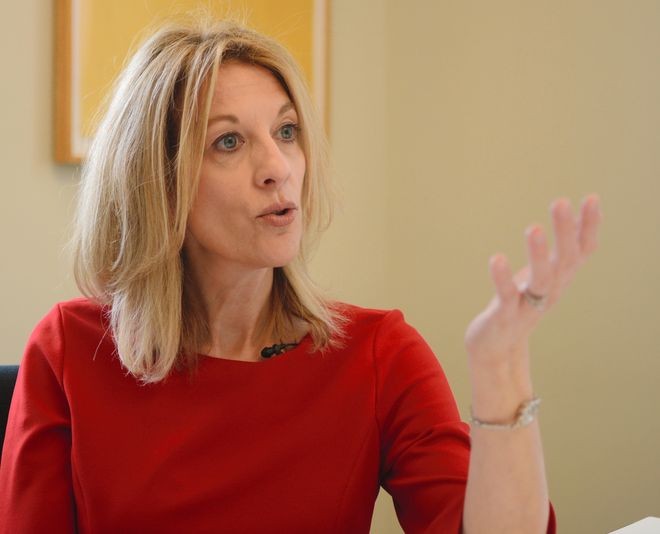
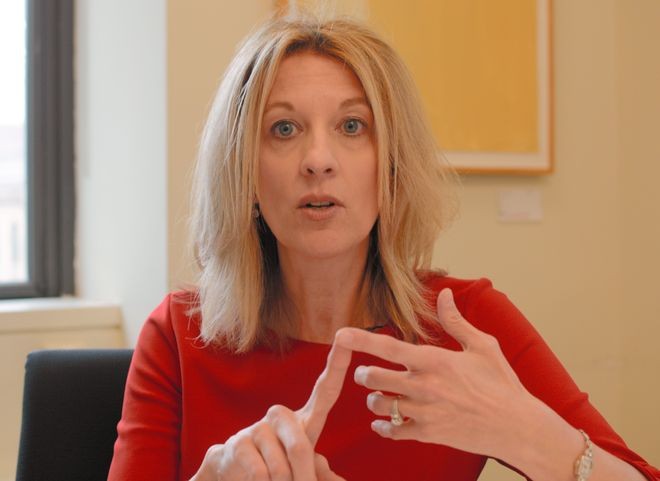
ニューヨーク-現代の金融理論(MMT)は、政府が財政赤字を心配する必要がないというやや型破りな見解で多くの注目を集めています。
MMTの主な支持者の1人は、ニューヨークのストーニーブルック大学の経済学教授であるステファニー・ケルトンです。
彼女は、日本経済が財政崩壊によって引き起こされるインフレに苦しんでいないため、日本は巨額の財政赤字で米国に多くの教訓を提供していると感じている。
ケルトンは、MMTに対する彼女の見解と政府の政策への影響について尋ねられた。
インタビューの抜粋は次のとおりです。
質問:税金で政府支出を支払う必要はないと思いますか?
ケルトン:MMTでは、課税は政府に収入を提供することとは考えていません。独自の通貨を発行する政府は、明らかに課税する必要はありません。税金により、政府は経済における純支出額を規制することができます。
MMTは、銀行の仕組みから金利の決定方法、経済における政府の赤字の役割、債務のリスクに対する考え方まで、従来の経済学とは異なります。
Q: 大きな財政赤字を生み出している間、政府は何をすべきですか?
A:政府がこれらの余分な資源を失業から傍観者から外し、それらを働かせることができれば、より多くの経済活動、より多くの生産があります。
赤字は手段を超えて生きている国の証拠であると人々が言うのをよく耳にします。私たちはアメリカで収入をはるかに下回っていると思います。日本にも同じことが当てはまると思います。
政府はインフレを恐れて、全雇用で経済を運営しようとすることを恐れている。経済的および社会的コストを課すため、失業中のすべてのコストも恐れないのはなぜですか?
Q:トランプ政権が実施した減税を支持しましたか?
A:いいえ、しかし、私はそれ自体が減税に反対しているわけではありません。この政権が行った最上位の削減の利点を集中するのではなく、インフラ、教育、研究開発に投資する方がはるかに良かったでしょう。これは、常に間接的な刺激である減税とは対照的に、その財政空間を使用するより良い方法です。4%の成長を簡単に達成できたのに。
政府の支出は直接的であり、生産性と長期的な成長を高めるものに支出を向けることは減税よりも優れています。
米国経済が大不況に陥り、何百万人もの人々が失業していた2008年にさかのぼるとしたら、議会は法律を可決し、今後3年間で1兆ドルを費やし、アメリカのインフラをアップグレードし、近代化することを約束すると述べた可能性があり、それを行うように単一の税金を引き上げるつもりはありません。
米国経済は、インフレの問題なしにその新しい支出をすべて吸収できたと思います。
その後、問題は「今日それをやりたかったとしましょう」になります。私の強い好みは、議会が野心的な新しい支出プログラムに従事することを決定したときにインフレリスクを考慮することです。今のインフレリスクに留意すべきです。
1兆(ドル)がインフレをアメリカ国民が容認しないレベルに上昇させる場合、インフレ圧力なしで5兆ドルの支出を取るのに十分な能力しかないため、彼らは5兆ドルのバックアウトに課税します。
Q:立法プロセスにかかる時間を考えると、政府はインフレに迅速に対応できますか?
A:投票の前に、法案を見て、インフレの可能性を高めるかどうかを尋ねてください。防衛支出を見てください。上院はそれを可決し、誰もインフレリスクについて全く考えず、ただそれを渡すだけです。
Q:無料のランチのような収益基盤なしで経済を拡大していませんか?
A:いいえ、それは無料の昼食理論ではありません。米国を見て、日本を見て、ほとんどの場合、ごくわずかな例外を除いて、私の生涯で、米国政府の予算は赤字となっています。それは無料のランチがあるという意味ではありません。
政府が来て違いを補い、経済を完全雇用に保つためにギャップを埋めることができれば、私は「無料の昼食」というフレーズが好きではありません。しかし、雇われて働くことができるのは自由に利用できる労働力だと言えます。
Q:しかし、巨額の財政赤字は金利を押し上げるのではないでしょうか?
A: そんなにお金しかなく、政府がより大きな赤字を稼ぎたい場合は、民間の借り手と競争する必要があります。その競争は金利を押し上げる。
しかし、それは明らかに間違っています。政府が赤字を実行し、経済に1000億ドルを費やすと、900億ドルしか課税しない。赤字は経済に100億ドルを投入した。政府部門外の貸借対照表にドル資産を追加しています。
政府の債務が将来の世代の負担であると言う人がいるとき、私はそれが間違っていると言うでしょう。次世代は、現在の世代と同じように、債券保有者と納税者で構成されます。債券が均等に分配されていないのは事実です。将来の債券保有者は、これらの債券の利息の支払いの恩恵を受けるでしょう。債券保有者も納税者です。
しかし、一部の納税者は債券保有者ではありません。だから、世代全体に負担をかけることはできません。しかし、分布的な結果があります。
Q:MMTの焦点は最近の進展ですが、トランプ政権の誕生が効果があったと思いますか?
A:減税と雇用法(2017年後半のトランプ政権による)を可決することは、ラリー・サマーズやポール・クルーグマンのような人々を含む多くの経済学者が、政府が財政刺激策を行うのに間違った時期であると警告していたという意味で役立ったと思います。彼らは、あなたが今財政刺激を行うと、金利が上昇し、インフレし、すべての悪いことが起こると言いました。
何が起こったの?成長は上昇し、失業率は下がり、私たちはまだ2%のインフレを得ることができず、金利は中央銀行がそれらを置く場所に正しいです。言い換えれば、警告はどれも正しくなかった。従来の物語は間違っている。
Q:なぜ日本の経験に集中したのですか?
A:アメリカはMMTのモデルだと思います。日本が提供する例は、有益なことですが、私たちの3倍の公開債務対GDP比率を持っているということです。債券格付け機関は日本を格下げした。あなたの金利はギリシャのように急上昇しませんでした。インフレの問題はありません。
すべてが従来の知恵の観点からバラバラになる。
マーケット参加者は、あなたとあなただけが作成できる通貨で建てられた義務を履行しないことを理解しています。
Q:しかし、過去に問題が起こらなかったからといって、将来は何の問題もないと言えますか?
A: ハイパーインフレエピソードをどのように得るかを想像するのは非常に困難です。ある研究では、世界中のどこでも発生するハイパーインフレの56の例が見つかりました。民主政府が完全な雇用政策を実行しようとしている国でハイパーインフレが起こったことは1つのケースもありません。何が起こるかというと、戦争、クーデター、食糧不足などがあります。
ジンバブエ、ワイマール・ドイツ、アルゼンチンについて話しているかどうかにかかわらず、世界のどこを見ても、ハイパーインフレのエピソードを見ると、経済の供給側で何かが起こり、通常は生産量が不足しています。
ミルトン・フリードマンは、インフレはいつでもどこでも金銭的現象であると有名です。ハイパーインフレを受けると、商品が少なすぎる場合、お金が多すぎることは常にあります。
日本の赤字は、ボトルネックや賃金インフレを引き起こすレベルに達していないことは明らかです。日本の赤字はそれほど大きくなっていません。
Q:資産膨張したバブル経済の崩壊後、日本は一連の政府支出計画を実施し、金融緩和政策を継続した。経済がまだMMTに誤りがあるという停滞した証拠であるという事実ではありませんか?
A: 人々はお金を手放すのに十分な自信を持たなければなりません。将来の政策がどうなるか不安で緊張しているのに、なぜ今日お金を手放すのかという不確実性がたくさんあると思います。支出が必要です。支出は資本主義経済の成長の原動力です。
Q:なぜMMTは世界中の多くの経済学者や財政および金融当局によって依然として型破りと見なされているのですか?
A:私たちは太陽が地球の周りを回っていると思っていましたが、その考え方を変え、地球が太陽の周りを回っているのを見るのに長い時間がかかりました。現在、税金はすべての中心にあり、経済は税金を中心に展開していると考えています。より多くの税金がなければ、良い経済を築くことはできません。
コペルニクスの瞬間が来て、分配に影響を与え、インフレリスクから身を守る方法として税金を考え始めると思います。それは私たちの思考に大きな飛躍を必要とし、おそらく地球や太陽と同じくらいの大きさです。
NEW YORK--Modern monetary theory (MMT) is gaining much attention for its somewhat unorthodox view that governments do not have to worry about fiscal deficits.
One of the main advocates of MMT is Stephanie Kelton, an economics professor at Stony Brook University in New York.
She feels that Japan, with its huge fiscal deficit, provides a number of lessons for the United States because the Japanese economy is not suffering from inflation triggered by a financial collapse.
Kelton was asked about her views of MMT and its effect on government policy.
Excerpts of the interview follow:
Question: Do you believe there is no need to pay for government expenditures through taxes?
Kelton: In MMT, we don't think about taxation as providing the government with revenue. A government that issues its own currency clearly does not need to tax. Taxes allow the government to regulate how much net spending happens in the economy.
MMT differs from conventional economics on everything from how banking works to how interest rates are determined to how we think about the role of the government deficit in the economy to the risks of debt.
Q: What should governments be doing while generating large fiscal deficits?
A: If the government could bring those extra resources off the sidelines out of unemployment, and put them to work, then there's more economic activity, more production.
You will often hear people say deficits are evidence of a country that's living beyond its means. I think that we are living far below our means in the United States. I think the same is true for Japan.
The government is afraid to try to run the economy at full employment because it's afraid of inflation. Why aren't we afraid of the costs of all of that unemployment as well because those impose economic and social costs?
Q: Did you support the tax cuts implemented by the Trump administration?
A: No, but I'm not opposed to tax cuts, per se. Rather than concentrate the benefits of the cuts at the very top, which is what this administration did, it would have been much better to be investing in infrastructure, education, research and development. That's a better way to use that fiscal space as opposed to tax cuts, which are always indirect stimulus. You could have achieved 4 percent growth easily.
Government spending is direct, and directing spending into things that boost productivity and long-term growth are better than tax cuts.
If we were back in the year 2008 when the U.S. economy was in the grips of the Great Recession and millions and millions of people were losing their jobs, Congress could have passed legislation and said we're going to commit to spending a trillion dollars over the next three years, upgrading, modernizing America's infrastructure, and we're not going to raise a single tax as we do that.
The U.S. economy, I believe, would have been able to absorb all of that new spending without any inflation problem.
The question then becomes: Suppose we wanted to do it today. My strong preference is that Congress considers inflation risk when it decides to engage in ambitious new spending programs. It should be mindful of the inflation risk right now.
If a trillion (dollars) will cause inflation to increase to levels that the American people won't tolerate, they will tax half a trillion back out, because there's only enough capacity to take half a trillion of spending without inflation pressure.
Q: Considering how long the legislative process takes, can the government respond quickly to inflation?
A: Before a vote, look at the bill and ask does it increase the likelihood of inflation. Look at defense spending. The Senate passes it and no one thinks about inflation risk at all, they just pass it.
Q: Isn't expanding the economy without a revenue base like a free lunch?
A: No, it's not a free lunch theory. Look at the U.S., look at Japan, Most of the time, with very few exceptions, in my lifetime, the U.S. government budget has been in deficit. That doesn't mean that there's a free lunch.
If government can come in and make up the difference and close the gap to keep the economy at full employment, then I don't like the phrase "free lunch." But you can say it's freely available labor that could be hired and put to work.
Q: But wouldn't the huge fiscal deficit push up interest rates?
A: If there is only so much money and if the government wants to run a bigger deficit, it has to compete with private borrowers. That competition drives up the interest rate.
But that's clearly wrong. When the government runs a deficit, spends $100 billion into the economy, it only taxes $90 billion back out. The deficit put $10 billion in the economy. It's adding dollar assets to balance sheets outside the government sector.
When some people say the government debt is a burden on future generations, I would say that is wrong. The next generation will be made up of bondholders and taxpayers, just like the current generation. It is true that bonds are not distributed equally. The bondholders in the future will benefit from the interest payments on those bonds. Bondholders are also taxpayers.
But some taxpayers aren't bondholders. So you can't burden an entire generation. But there are distributional consequences.
Q: The focus on MMT is a recent development, but do you think the birth of the Trump administration had an effect?
A: I think that passing the tax cut and jobs act (by the Trump administration in late 2017) helped in the sense that many economists, including people like Larry Summers and Paul Krugman, were warning that this was the wrong time for the government to do fiscal stimulus. They said if you do fiscal stimulus now, interest rates will go up and inflation, all the bad stuff will happen.
What happened? Growth ticked up, unemployment went down, we still can't get to 2 percent inflation, interest rates are right where the central bank puts them. In other words, none of the warnings were correct. The conventional narrative is wrong.
Q: Why did you focus on the Japanese experience?
A: I think the U.S. is a model for MMT. The example that Japan provides, which is instructive, is that you've got a publicly held debt to GDP ratio that is three times ours. Bond rating agencies downgraded Japan. Your interest rates didn't spike like Greece. No inflation problem.
Everything falls apart in terms of the conventional wisdom.
Market participants understand they're not going to default on obligations denominated in a currency that you and only you can create.
Q: But can you say that just because no problems occurred in the past, there will be no problems in the future?
A: It's extremely difficult to imagine how you get a hyperinflationary episode. One study found 56 examples of hyperinflation occurring anywhere at any time in the world. In not one single case has hyperinflation ever occurred in a country with a democratic government trying to run a full employment policy. What happens is you have wars, coups, food shortages, those sorts of things.
Whether you're talking about Zimbabwe, Weimar Germany or Argentina, wherever you look in the world and you see hyperinflationary episodes, it's always the case that something happens on the supply side of the economy, usually giving rise to shortages in output.
Milton Friedman famously said inflation is always and everywhere a monetary phenomena. When you get hyperinflation, it's always been the case that you have too few goods, it's not too much money.
It is clearly the case that deficits in Japan have not reached the levels that give rise to bottlenecks or wage inflation. Japan's deficits have not gotten too big.
Q: After the collapse of the asset-inflated bubble economy, Japan implemented a series of government spending plans and continued with monetary-easing policy. Isn't the fact that the economy is still stagnant evidence that there are errors in MMT?
A: People have to have sufficient confidence to part with their money. I think there are just a lot of uncertainties, you know, why would I part with money today if I'm anxious and nervous about what future policy is going to look like? You need spending. Spending is the engine of growth in a capitalist economy.
Q: Why is MMT still considered unorthodox by many economists and fiscal and financial authorities around the world?
A: We thought that the sun goes around the Earth, and it took a long time for us to change that thinking and to see that the Earth goes around the sun. Right now, we think that taxes are at the center of everything, and the economy revolves around taxes. Without more taxes, you can't build a good economy.
I think that the Copernican moment is coming, where we start thinking of taxes as a way to affect distribution and to guard against inflation risk. It requires as big a leap in our thinking, maybe as big as the Earth and the sun.

0 件のコメント:
コメントを投稿