| ||||||||||||||||||||||||



キーンとモスラーの和解
米国のリアルプログレッシブは、2018年にスティーブ・キーンとウォーレン・モスラーの間で、貿易黒字と当座預金経済の金融取引について友好的な議論をしました。これは、このビデオの最初の10分で見ることができます。スティーブ・キーンが「ああ、さあ!」と言ったらやめてください。よろしければ。
今後、彼らは反対し続けます。
私たちが見ることができるのは、プロセスはお金の創造として始まりますが、通貨リスクを取り除きたいという願望は、それを単純な貯蓄の交換に戻すということです。
FX取引の構造
そこで、これら2つのポジションを調整するために、私はニール・ウィルソンのFX取引の解剖学を使用し、スティーブ・キーンとウォーレン・モスラーの両方に別々にアプローチしました。私はアメリカとビル・ミッチェルに対する偏見を避けるために、別々に彼らに近づきました。ウィルソンの例では、英国とノルウェーの間の取引を使用しています。
私はメールでモスラーに、ツイッターでキーンに近づいた。
キーンはツイートした。
モスラーは次のように書いた。
これは、2人のクライアントがそれぞれ銀行と独自のFX取引を行う特定の状況のためです。
銀行はその後のFXリスクを負っている。
。
したがって、RPのメディアサーカスにもかかわらず、2人のゲストは実際に同意します。
ニール・ウィルソンは次のように書いている。
私たちが見ることができるのは、プロセスはお金の創造として始まりますが、通貨リスクを取り除きたいという願望は、それを単純な貯蓄の交換に戻すということです。
だから、MMTの共同開発者の1人に予備通貨は関与しておらず、敵対性もないのを見てください。
議論の直後、ビル・ミッチェルはモスラーと同じようにFX取引力学を説明するポストを立ち上げました。以下に示す画像では見やすいです。画像をクリックすると、ビルのサイトに移動します。


以下の図は、取引に伴う取引を追跡するのに役立ちます。

物語:
- 円の費用があり、円の損益を測定する会社が日本で製造している車を買いたいです。
- この要因は、オーストラリアにディーラーネットワークに車を出荷し、ネットワークに円で請求します。
- 自動車ディーラーは円償責任を受け入れますが、日本製車をAUDドルで販売しています。
- 現金を支払うか、自動車ディーラー(デジタル現金)でセンサーにクレジットカードを振ると、銀行は預金残高を2万ドル(車の価格)削減し、自動車ディーラーの銀行はディーラーの預金を同じ金額に増やします。
- 中央銀行(RBA)は、清算プロセスの一環として、私の銀行の準備金の減少と自動車ディーラーの銀行の準備金の増加を記録しています。
- 私の銀行口座へのデビットは引き落とされ、自動車ディーラーの口座へのクレジットは、$AUDの所有権が私からディーラーに変更されたことを意味します。新しい純金融資産は作成されません。
- 車を購入するためにローンを組むと、銀行の貸借対照表はローンを資産として記録し、負債側に預金(ローン)を作成します。小切手を自動車ディーラーに引き渡すと(ローンを引き出す)、ディーラーはローンがシステム内に預金を作成するという事実を介して新しい資産(銀行預金)を持っています。繰り返しになりますが、新しい純金融資産は作成されません。
次に何が起こるかは、自動車メーカーの願望次第です。
1。彼らは請求書を円で支払いたいと思うかもしれません。
2。彼らは(ディーラーがメーカーによって完全に所有されている場合)オーストラリアの銀行の$AUD口座で売上収益を残すことを喜んでいるかもしれません。
3。彼らはAUD建ての資産(財務またはその他の)を購入することを決定するかもしれません。
彼らがどのような選択をしても、この段階では、輸出黒字(1車)は銀行預金(または同等のもの)の形で$AUD資産の蓄積に現れます。
自動車ディーラーがメーカーからの請求書の支払いを決定した場合はどうなりますか?明らかに、通貨の不一致があります。ディーラーは$AUDの金融資産を持っていますが、請求書には円の送金が必要です。

- 自動車ディーラーはAUDを持っており、¥を取得する必要があります。利益を差し引いた後、自動車ディーラーは外国為替市場(おそらく銀行経由)に参入し、円売却のために$AUDを交渉します。だから、誰かが現在円を保有しており、どんな目的でも$AUDを保持したいと考えています。
- 契約が開始され、2つの通貨が交換されます。
- その後、自動車ディーラーは、カウンターパーティから購入した円を自動車メーカーの日本の銀行に送金します(収益とコストの不一致の不確実性をカバーするために運営されていたであろうヘッジなどを無視します)。
- 結果として生じる財務効果は次のとおりです。(a)オーストラリアの金融部門のAUD残高は同じままですが、輸出が発生する前とは異なる所有です。(b)日本の金融部門の円残高は変わりませんが、所有権は外国為替ディーラーから自動車ディーラー、そして最後に自動車メーカーに移されました。
[メーカーが請求書の支払いを$AUDで受け入れることを決定した場合(外国為替市場取引は不要になります)、取引は日本の自動車会社が新しい$AUD金融資産(銀行預金)を持つことを意味します。
その預金で何をしたかは、すべての輸出が達成したという事実を変えるものではありません(私が新しい車を持つことを許可する以外に)、私の20kドルの預金の所有権を自動車会社(ディーラーを含む)に移すことです。
$AUDを円に変換するとより複雑になりますが、上記のように過度に変換されません。
取引(および会計定義により)の純輸出黒字は、円または$ AUDの残高を増やすのではなく、所有権を変更するだけです。
さて、日本の自動車会社がAUD建ての銀行預金を保有するのではなく、オーストラリア政府の債務の形でAUD資産を保管することを決定した場合はどうなりますか?
いくつかの会計取引が行われます。
- 日本企業は代理人に債券の注文を指示し、同社はオーストラリアの銀行(世界のどこにいても)に、債券を売っている中央銀行(RBA)の手に$AUD銀行預金を送金するよう指示します(政府の特定の口座の詳細を無視する)。日本の自動車メーカーの弁護士や代表者は、順番に、オーストラリアの国債と呼ばれる紙幣を受け取るだろう。
- オーストラリア政府の対外債務はその金額で増加する。
- これは単に、オーストラリア政府が債券の満期時に、債券の最終的な保有者の銀行口座(自動車会社または最終保有者が扱うオーストラリアの銀行に準備金を追加する)に債券の額面と利息を加え、中央銀行で口座を引き落とすことを約束することを意味します(または債券の販売と購入に関連する特定の会計構造)。
そのすべてを理解すれば、これは単に無利子有形準備金残高を有利子国債に置き換えることに相当することを明確に理解するでしょう。その取引は、主権政府に支払能力の問題を提示することはできません。]
取引のすべてのステップの後、変更されたのは円とオーストラリアドルの所有権です。新しい円も新しいドルも作成されていません。オープニングビデオでキーンが主張したように、新しい純お金の創造はありません。
最近、米国のリアルプログレッシブは、以下にリンクされているスティーブ・キーンとマイケル・ハドソンとのマクロNチーズポッドキャストでこれをフォローアップしています。

[https://podcasts.apple.com/jp/podcast/macro-n-cheese/id1453085489?i=1000569351489
2022/07/09]★
私は上記の誠意を持って示したと思うように、私にとっては血が間違って沸騰していたので、それをすべて聞いていなかったことを告白します。
数週間後、USリアルプログレッシブは、輸入と輸出に関するビル・ミッチェルとのマクロNチーズポッドキャストをフォローアップしました。以下にもリンクされています。
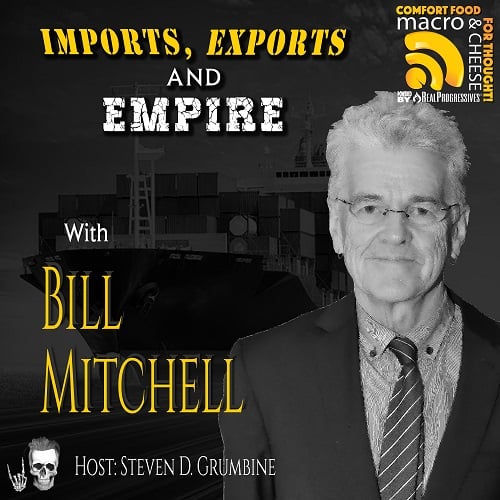
[https://podcasts.apple.com/jp/podcast/macro-n-cheese/id1453085489?i=1000571649837
2022/07/30]★★
さらに最近では、ビルはレヴィ研究所サマーセミナーで、ミッチェル教授がサールウォールの法則と、外部経済が現代金融理論MMTにどのように適合するかについて発表しました。私はそれを下に置きましたが、それは私たちがすでにカバーしたすべての感情を反映しています。
Thirlwall's Law
2022/07/26
全体として、財政的制約、実際の資源の制約、政治的制約を認識しています。最終的には、私たちは政治的制約について話しています。これは、以下に引用するように、私がmyFAQに書いたものと一致しています。
国際収支の制約/危機はどうですか?
場合によります。それは国内外の国の多くの政治的要因と選択に依存しています。
支払い残高危機は通常、必ずしも政治的制裁とともに特定の外貨を所有または握っている人々の政治的な菓子であるとは限りません。支払い残高の問題は、ほとんどの場合、俳優による政治的権力劇です。しかし、不適切な政治的選択のために自然に発生する可能性のある発展途上国の状況があります。
これらの出来事はどれも、現代通貨理論家が支持するものを否定しない。
上記のThirlwallの法律ビデオとFAQリンクをクリックしてさらに読むことを強くお勧めします。
今日は時間をかけてこれを読んで、見て、聞いてくれてありがとう。
大きく考え、違うことを考え、MMTを考えよう!
Reconciling Keen and Mosler

The US Real Progressives had a friendly debate between Steve Keen and Warren Mosler in 2018 on monetary transactions in trade surplus and current account surplus economies. You can see this in the first 10 minutes of this video. You can stop when Steve Keen says "Oh C'mon!" if you like.
From hereon out they continue to disagree.
What we can see is that although the process starts as money creation, the desire to get rid of currency risk pares that back to a simple exchange of savings.
Anatomy of an FX transactionnone
So in an attempt to reconcile these two positions, I used Neil Wilson's Anatomy of a FX transaction and approached both Steve Keen and Warren Mosler separately. I approached them separately to avoid any bias towards or against America and Bill Mitchell. Wilson's example uses a transaction between the UK and Norway.
I approached Mosler via email and Keen via Twitter.
Keen tweeted:
Mosler wrote:
That's for a specific situation where two clients each do their own fx transaction with their bank,
with the banks assuming subsequent fx risk.
.
So despite the media circus on RP, the two guests actually agree.
Neil Wilson writes:
What we can see is that although the process starts as money creation, the desire to get rid of currency risk pares that back to a simple exchange of savings.
So look at that no reserve currency involved and no antagonism to one of the co-developers of MMT.
Immediately after the debate, Bill Mitchell had up a post explaining the FX transactional mechanics identically to Mosler. It is easy to see in the images laid out below. Click ont he images to go to Bill's site.
After all these steps in the transaction, what has changed is the ownership of the Yen and the Australian dollars – no new Yen and no new dollars have been created. There is no new net money creation as asserted by Keen in the opening video.
Recently, US Real Progressives have followed this up with their Macro N Cheese podcast with Steve Keen and Michael Hudson, linked below:
I confess to not having listened to it all since for me it was blood boiling erroneous as I like to think I demonstrated in good faith above.
A few weeks later US Real Progressives followed up with a Macro N Cheese podcast with Bill Mitchell on Imports and Exports. Also linked below.
Even more recently Bill was at the Levy Institute Summer Seminar where Professor Mitchell presented on Thirlwall's law and how the external economy fits into Modern Monetary Theory MMT. I have placed it below but it echoes all the sentiments we have already covered.
Overall it recognises the financial constraints, real resources constraints and political constraints. Ultimately we are talking about political constraints. This aligns with what I wrote in my FAQs as quoted below.
What about Balance of Payments Constraints/Crises?
It depends. It depends on a lot of political factors and choices of both domestic and foreign nations.
Balance of payment crises are usually but not always a political confection of those who own or hold sway over particular foreign currencies along with political sanctions. Balance of payment issues are nearly always a political power play by an actor. However, there are developing nation situations where it can occur naturally due to inappropriate political choices.
None of these events negate anything espoused by Modern Monetary Theorists.
I highly recommend the Thirlwall's law video above and clicking on the FAQs link to do the further reading.
Thank you for taking the time to read, watch and listen to this today.
Think Big, Think Different, Think MMT!
貿易と外部金融の謎 - パート1
昨日、貿易問題と関連する金融取引が議論されたリアルプログレッシブに関する「議論」に続いて、私は一晩と直接ツイッターメッセージを受け取りました。私は(事実の後)議論のそのセクションを見て、国が輸出と輸入したときに何が起こったのかを知っているゲストの1人だけと結論付けました。しかし、議論を聞いたこのブログの読者は、彼らが聞いたことに混乱していたようです。だから、今日、要求に応じて、私はこれらの問題のいくつかを明確にすることを目指しています。実際、トランザクションを注意深く追跡すると理解するのがかなり簡単なので、基本的なエラーが「ディベート」で表現されたのは驚きです。したがって、現代通貨理論(MMT)が貿易取引を理解するのに役立つ方法は次のとおりです。
フィアット通貨システムでは、外部経済について多くの混乱があるようです。多くの経済学者は、法定通貨システムにおける国際収支を解釈する方法を完全に理解していない。
したがって、一般大衆がこの分野で苦労していることは驚くことではありません。
たとえば、ほとんどの経済学者は、経常収支赤字の増加(輸入と純目に見えないものよりも少ない輸出)を貯蓄に対する過剰な投資と関連付けます。
この主張は、国がその不均衡に対抗できる唯一の方法は、外国投資(資本口座黒字の相殺による)であり、国に対する外国請求の純蓄積(直接投資収入、債務返済、または株式配当による)が増加することを意味します。
これはいわゆる「私たちの手段を超えて生きる」物語です。
私はこのブログ記事でこれらの質問を詳細に検討しました - オープン経済における現代金融理論(2009年10月13日)。
昨日の「議論」では、当座預金の黒字を持つ国はより堅牢であり、外国所有権の増加が利益維持、したがって投資を減少させるため、当座預金の赤字は潜在的な成長を減らすと聞きました。
その主張は実際には持続不可能です。
まず、輸出はコストであり、輸入は利益であるという否定があった。それは否定できないはずです。
経済全体にとって、輸入は本当の利益を表し、輸出は実質的なコストです。
輸出は、私たちが自分自身を使用できる外国人に本当の何かを与えなければならないことを意味します - それは明らかに機会コストです。
輸入は、彼らが自分自身を使うことができるが、私たちが持っていることから利益を得る本当の何かを与える外国人を表しています。機会コストはすべて彼らのものです!
したがって、純輸入とは、国が外国消費のために生産するよりも多くの商品やサービスを消費することで、より高い物質的な生活水準を享受できることを意味します。
さらに、貿易赤字の増加が通貨の減価償却を伴う場合でも、実際の貿易条件は貿易赤字国を支持しています(純輸入は増加しているため、輸入と比較して比較的少ない商品を輸出しています)。
たとえば、ドイツの労働者は労働時間を放棄し、あらゆる種類の原材料を利用して自動車やオートバイを作り、それを船に乗せ、他の人の楽しみのために他の場所に送ります。これらの生産的な資源を自分たちで使うことができるので、それはドイツにとって本当のコストです。
だから、バランスをとって、見返りにそれらを送らなければならないよりも、私たちのために物でいっぱいの船や飛行機を送るように外国人を説得することができれば(純輸出赤字)、それは実際の意味で私たちにとって純利益でなければなりません。
外国人が私たちから得るよりも多くの現実的なものをあきらめている状況を持つにはどうすればよいでしょうか(マクロ経済的な意味で)?
答えは、私たちの現在の口座赤字が$AUD建ての純金融請求を蓄積したいという願望を「金融」しているという事実にあります。
それについてよく考えてください。標準的な概念は正反対です - 外国人が私たちの小遣いパターンに資金を提供していることです。
実際、私たちの貿易赤字は、彼らがこれらの金融資産を蓄積することを可能にします(私たちへの請求)。
私たちは実際の言葉で利益を得ます - 休暇よりも満員の船が満員で来る - そして、彼らは最初のインスタンスで$ AUDを蓄積します。
これらの$AUD株に何が起こるかは別の質問です(下記参照)。
外国人が$ AUD建ての金融またはその他の資産を保持したいという欲求を変えると、貿易の流れはそれを反映し、貿易条件(実質)はそれに応じて変更されます(外国為替に輸入品を購入するのが難しくなるため)。
外国人は$AUDで金融資産を蓄積したくない可能性があるため、輸入と同じくらい輸出する必要があります。
その場合、国はそれに応じて輸出入の行動を調整しなければならないだろう。この移行が突然の場合、いくつかの混乱が発生する可能性があります。一般的に、これらの調整は突然ではありません。
さて、これの「金銭的」効果は何ですか。
純金融資産は、中央銀行または財務省(「連結」政府部門)との取引を通じて、非政府部門でのみ作成および破壊できるという簡単な理解。
政府の赤字は、非政府部門の純金融資産の唯一の供給源です。非政府部門のエージェント間のすべての取引はゼロです。
この会計現実は、非政府部門が問題の通貨でネットセーブ(稼ぐよりも少ない支出)を希望する場合、政府は赤字でなければならないことを意味します。
国家勘定から派生したセクター残高は、この結果を一般化し、政府の赤字(黒字)が常に非政府の黒字(赤字)に等しいことを示しています。
財政黒字は、後者が現金を得るために富を清算し、デフレである流動性(準備金口座の引き落とし)を破壊することを強制することによって、非政府の富を破壊します。
外部赤字により、財政黒字は民間の国内部門の債務水準を増加させ、持続可能な長期的な成長戦略を表すことはできません。
以下の図は、取引に伴う取引を追跡するのに役立ちます。
物語:
- 円の費用があり、円の損益を測定する会社が日本で製造している車を買いたいです。
- この要因は、オーストラリアにディーラーネットワークに車を出荷し、ネットワークに円で請求します。
- 自動車ディーラーは円償責任を受け入れますが、日本製車をAUDドルで販売しています。
- 現金を支払うか、自動車ディーラー(デジタル現金)でセンサーにクレジットカードを振ると、銀行は預金残高を2万ドル(車の価格)削減し、自動車ディーラーの銀行はディーラーの預金を同じ金額に増やします。
- 中央銀行(RBA)は、清算プロセスの一環として、私の銀行の準備金の減少と自動車ディーラーの銀行の準備金の増加を記録しています。
- 私の銀行口座へのデビットは引き落とされ、自動車ディーラーの口座へのクレジットは、$AUDの所有権が私からディーラーに変更されたことを意味します。新しい純金融資産は作成されません。
- 車を購入するためにローンを組むと、銀行の貸借対照表はローンを資産として記録し、負債側に預金(ローン)を作成します。小切手を自動車ディーラーに引き渡すと(ローンを引き出す)、ディーラーはローンがシステム内に預金を作成するという事実を介して新しい資産(銀行預金)を持っています。繰り返しになりますが、新しい純金融資産は作成されません。
次に何が起こるかは、自動車メーカーの願望次第です。
1。彼らは請求書を円で支払いたいと思うかもしれません。
2。彼らは(ディーラーがメーカーによって完全に所有されている場合)オーストラリアの銀行の$AUD口座で売上収益を残すことを喜んでいるかもしれません。
3。彼らはAUD建ての資産(財務またはその他の)を購入することを決定するかもしれません。
彼らがどのような選択をしても、この段階では、輸出黒字(1車)は銀行預金(または同等のもの)の形で$AUD資産の蓄積に現れます。
自動車ディーラーがメーカーからの請求書の支払いを決定した場合はどうなりますか?明らかに、通貨の不一致があります。ディーラーは$AUDの金融資産を持っていますが、請求書には円の送金が必要です。
- 自動車ディーラーはAUDを持っており、¥を取得する必要があります。利益を差し引いた後、自動車ディーラーは外国為替市場(おそらく銀行経由)に参入し、円売却のために$AUDを交渉します。だから、誰かが現在円を保有しており、どんな目的でも$AUDを保持したいと考えています。
- 契約が開始され、2つの通貨が交換されます。
- その後、自動車ディーラーは、カウンターパーティから購入した円を自動車メーカーの日本の銀行に送金します(収益とコストの不一致の不確実性をカバーするために運営されていたであろうヘッジなどを無視します)。
- 結果として生じる財務効果は次のとおりです。(a)オーストラリアの金融部門のAUD残高は同じままですが、輸出が発生する前とは異なる所有です。(b)日本の金融部門の円残高は変わりませんが、所有権は外国為替ディーラーから自動車ディーラー、そして最後に自動車メーカーに移されました。
メーカーが請求書の支払いを$AUDで受け入れることを決定した場合(外国為替市場取引は不要になります)、取引は日本の自動車会社が新しい$AUD金融資産(銀行預金)を持つことを意味します。
その預金で何をしたかは、すべての輸出が達成したという事実を変えるものではありません(私が新しい車を持つことを許可する以外に)、私の20kドルの預金の所有権を自動車会社(ディーラーを含む)に移すことです。
$AUDを円に変換するとより複雑になりますが、上記のように過度に変換されません。
取引(および会計定義により)の純輸出黒字は、円または$ AUDの残高を増やすのではなく、所有権を変更するだけです。
さて、日本の自動車会社がAUD建ての銀行預金を保有するのではなく、オーストラリア政府の債務の形でAUD資産を保管することを決定した場合はどうなりますか?
いくつかの会計取引が行われます。
- 日本企業は代理人に債券の注文を指示し、同社はオーストラリアの銀行(世界のどこにいても)に、債券を売っている中央銀行(RBA)の手に$AUD銀行預金を送金するよう指示します(政府の特定の口座の詳細を無視する)。日本の自動車メーカーの弁護士や代表者は、順番に、オーストラリアの国債と呼ばれる紙幣を受け取るだろう。
- オーストラリア政府の対外債務はその金額で増加する。
- これは単に、オーストラリア政府が債券の満期時に、債券の最終的な保有者の銀行口座(自動車会社または最終保有者が扱うオーストラリアの銀行に準備金を追加する)に債券の額面と利息を加え、中央銀行で口座を引き落とすことを約束することを意味します(または債券の販売と購入に関連する特定の会計構造)。
そのすべてを理解すれば、これは単に無利子有形準備金残高を有利子国債に置き換えることに相当することを明確に理解するでしょう。その取引は、主権政府に支払能力の問題を提示することはできません。
プロジェクトの恐怖は続く...
その後、プロジェクトの恐怖は、政府の財務債務の外国購入がその国の公的支出を支え、それがなければ政府は財政的実行可能性を持たないだろうと主張しました。
このテーマの結果は、権力は発行者である国政府ではなく、国家政府の債務を保有する外国人の手にあるということです。
中国は、米国に対して当座預金の黒字を実行した結果、米国ドル建ての請求を自動的に蓄積する。
これらの請求は当初、米国の銀行システム内のどこかで開催され、米ドルの預金または有利子債券として現れる可能性があります。その違いは米国の政府の支出にとって本当に重要ではありません。会計上の意味では、銀行システム内の調整が必要です。
これらの米ドル建て資産(紙と電子銀行残高のビット)の蓄積は、中国人(または他の外国人)が米国から出荷される実際の商品やサービスを減らすことと引き換えに、米国(主に)に実際の商品やサービスを出荷するために得る「報酬」です。
実際の生活水準は実際の商品やサービスへのアクセスに基づいていることを考えると、マクロ経済の観点から、誰がトップであるかを計算することができます。
この点に関するより多くの議論については、私のブログ - オープン経済における現代金融理論 - を読んでください。
注意してください、私は「マクロ経済の観点から」修飾子を使用しました。米国よりも労働基準(賃金と条件)が低い国からの安価な輸入の結果として失業に耐えてきたデトロイトの米国労働者は、利益を得る可能性は低い。
したがって、米国は、市民から物質的な富(独自の実質資源の使用)を奪い、他の国への輸出に具現化された「労働」やその他の実際の資源を純輸送する中国の意欲の恩恵を受けています。
これは、経済が外国為替準備金の枯渇を経験したり、外貨に対する独自の通貨の交換条件を見つけたりした場合、必須の輸入を購入する必要があることを否定するものではありません。
これは、輸入燃料や食品に依存している場合は特にそうです。このような状況では、急成長する対外赤字は、減少する国際通貨準備金を脅かします。
場合によっては、輸出入の特定の構成を考えると、通貨の減価償却は追加の措置なしにCADを解決する可能性は低い。
減価償却費は、輸入の相対的なコストを引き上げ、経済にインフレバイアスを与えます。さらに、減価償却はさらなる減価償却の期待につながり、通貨の不足を促進します。減価償却と債務不履行の可能性による損失の期待に対抗するのに十分な金利はないかもしれません。
現実には、何らかの理由で輸入を購入する能力の欠如に直面している国は、輸出を増やすか、輸入を減らす必要があります。
通貨危機に直面している発展途上国では、おそらく短期的な代替手段はありませんが、外国債務の再交渉、国際ドナー支援、または債務不履行を通じて外貨の埋蔵量を緊急に回復します。
先進国では、同様の制約が適用され、通貨建ての国やその他の金融資産に対する国際的な感情の急激な変化がもはや望ましくないとみなされる可能性があるため、外国人から調達された実際の商品やサービスの流れの調整が必要です。
そして、このブログで説明しているように、最終的には、実際のリソースの可用性は繁栄を制限します。国の限界は明確です。外国人が所有する実際のリソースへのアクセスを指揮できない場合は、独自の通貨で販売されている資源の富に頼らなければなりません。
しかし、そのどれも、その通貨で販売されているものを購入する通貨発行政府の財務能力を低下させるものではありません。
米国政府債務の中国保有者が、米国が中国に対して実行する経常収支赤字を反映するために蓄積された米国政府債務の保有を清算することを決定した場合はどうなりますか?
これはゆっくりと、または迅速に行うことができます。迅速な清算は、これらの米ドルの資産に保管されている中国の富を荒廃させるだろう。
このような清算は、米ドルで販売されている商品やサービスを購入する米国政府の能力とは関係ないだろうが、中国の取引能力を著しく損なうだろう。
私のブログ記事を読んでください - 現在の口座の赤字は重要ですか?(2010年6月22日) - この点に関するより多くの議論のために。
名目対実数
しかし、現実と名目についての議論は何ですか?
この簡単な例について考えてみてください。
店に行って店から商品を買うとき、私は現金を手渡し(または現金を渡すのデジタルに相当するセンサーの上にクレジットカードを振る)、見返りに商品を受け取ります。
店は名目上の支払いを受け、本当の利益を犠牲にしている。店は名目上のお金の在庫を蓄積したいと思っていますが、店を出るときに本物の人がその使用価値を消費したいと思っています。
私は、現金の名目保持を大切にするよりも、取引からの本当の利益を明確に評価しています。
すべての商品取引は、雇用主が労働市場で労働力を購入する取引を除き、その特徴を共有しています。
マルクスが明確に示したように、その取引はユニークです。なぜなら、取引中に為替価値が設定され、取引所から生じる使用価値が取引所の外で消費される単純な商品取引所とは異なり、労働取引所は異なるからです。
単純な商品取引所の対称性とは異なり、労働取引所には非対称性があります。
労働者にとって、取引所の使用価値は受け取った賃金に具現化され、それは職場の外で消費されます(私たちは彼/彼女の仕事を楽しんでいる労働者から抽象化します)。
しかし、雇用主、労働力の購入者にとって、その「商品」の使用価値(労働の流れ)は、取引期間中に消費されなければならない。これには、労働者が何をするかを制御する必要性など、あらゆる種類の問題を紹介します。
したがって、現在の口座赤字を持つ国は、(前述のように)輸出余剰国よりも本当の優位性を享受していますが、名目負債、つまり輸出業者が蓄積する金融資産が発生します。
輸出業者は、これらの名目負債を実際の資産に変換することができます(FDI経由 - 下記参照)。
以下で説明するように、外国人の手による金融資産の蓄積を懸念する理由はいくつかありますが、彼らは通常の容疑者ではありません(清算に関して上記のケースなど)。
外国の所有権
また、継続的な当座預金赤字を抱える国は労働者の国に過ぎないという論争もあった。
主張は、国際収支の資本勘定は、現在の口座赤字を持つ国の企業の外国所有権の増加を反映し、それが持続すればすべての「資本主義者」は外国人になるということでした。
次に、これは利益が海外に収用され、事業投資(資本形成)の減少、成長の鈍化、生活水準の低下につながると主張しました。
アサーションを2つのコンポーネントに分割できます。
まず、オーストラリアは小規模でオープンな経済であり、最新の国家会計データが利用可能である限り、永続的な経常収支赤字を実行してきました(1959年9月~四半期)。
次のグラフが示すように、1975年9月から四半期(1960年3月四半期から2017年12月四半期まで)以来、継続的な赤字であり、その時点でGDPの平均4%を占めています。
ほとんど赤字ではありません。

第二に、オーストラリア統計局の出版物-オーストラリアのビジネスの選択された特性、2015-16(最新版)からオーストラリア企業の所有権を見つけることができます。
次の表は、そのデータからコンパイルされ、当社の永続的な当座預金赤字が外国資本家による事業会社の大量買収につながったという考えに完全に反論しています。
2016年、オーストラリアの1社につき2つだけが外資系だった
残念ながら、オーストラリアではまだたくさんのオーストラリアの資本家がやっています:-)

ABSはまた、オーストラリアの国際投資ポジション:補足統計(カタログ5352.0)に関するデータを公開しました。最新のデータは2016年です。
国家会計フレームワークは、国への金融フローと外国直接投資(FDI)に分割し、資金を使用して外国で少なくとも10%の所有権(機器、建物、土地を含む)の運用ビジネス利益を確立し、資金が外国の金融資産(株式、債券)を購入するために使用される外国ポートフォリオ投資(FPI)に分割します。
FPIは、株式投資(株式)と債務証券(ローン)から発生する負債に分けられます。
次のグラフは、2001年以降のオーストラリアの集計を示しています。当座預金赤字の財務面の多くは、実際には民間国内部門が保有する外国債務ポジションに反映されています。

前のグラフは、オーストラリアへの外国投資の株式を示していることを覚えておいてください。2016年の総FDIは796,072百万豪ドル、海外のオーストラリアFDIの総額は554,874百万豪ドルでした。
FPIの場合、2016年の外国負債総額は1,659,820百万ドル、外国資産総額は869,818百万豪ドルでした。
したがって、FDIの純国際投資ポジションはFPIよりも少ない。
しかし、支払い残高データから、この議論に関するより多くの情報を抽出することもできます。
上記のデータは株式に関するものであるため、ある離散的な時点で測定された総資産と負債(この場合は年間)。
しかし、資産の株式(FDIとFPIから上昇)は、国内外に収入を生み出します。
そして、利益が経常収支赤字を営む国から利益が消えるという主張を考えると、FDIから生じる投資収入の何パーセントが再投資されるのかという関心の問題は?
答えはABS出版物で見つけることができます - 国際収支と国際投資ポジション、オーストラリア、2017年12月(カタログ番号。5302.0)。
2008年3月から2017年12月四半期まで、FDIに流れる投資収入の平均53.6%がオーストラリアの新しいFDIに再投資されました。
したがって、永続的な当座預金赤字は以下ではないことを見てきました。
1。外国人による地元企業の買収につながる。
2。すべての利益が送還され、投資が減少する。
投資は、とにかく誰が会社を所有しているかに依存しない
さらに、外国人が地元企業の株式を蓄積し、結果として得られたすべての利益を送還することを可能にした現在の口座赤字の結果として外国の所有権が増加した場合、地元の投資が苦しみ、成長が遅れるだろうという主張は、ローンが預金を作成する方法を誤解しています。
通常、法定通貨システムに信用に値する借り手(新しい生産資本に投資する資金を求める企業を含む)が利用できる資金の「不足」はありません。
私たちは、すべての企業が外国所有であり、すべての利益を送還する状況を持つことができましたが、地元の銀行システムは依然として資金を求めている財政的に実行可能であると考えられる企業にローン(したがって預金)を作成する準備ができています。
なぜ私たちは外国の所有権を気にするのでしょうか?
今後、このトピックに関する別のブログ記事を書きます。
懸念すべき主な理由は、買収や投資の可能性の欠如とは関係ありません。
外国の所有権のアイデアは、金融資産の所有権が権力を与え、所有者が政府の政策に有利に影響を与えることを可能にするため、進歩主義者にとって長い間懸念事項でした。
さらに、現地通貨資産の蓄積は、地域住民、特に低所得コホートに不利益を与える資産価格バブル(不動産)に現れる可能性があります。
この点に関して、政府は、外国人が発行通貨に蓄積できる資産について厳格な規則を定めなければならない。
その問題については後で詳しく説明します。
結論
それがこれらの問題のいくつかを明確にしてくれることを願っています。
今日はこれで十分です!
Trade and external finance mysteries – Part 1
I have received many E-mails and direct twitter messages overnight and today following the ‘debate’ on Real Progressives yesterday, where trade issues and related financial transactions were discussed. I saw that section of the debate (after the fact) and concluded that only one of the guests knew what happened when nations exported and imported. But it appears that readers of this blog who listened to the debate were confused by what they heard. So, today, by request, I aim to clarify a few of these issues. They are in fact fairly simple to understand once you trace through the transactions carefully, so it is a surprise that basic errors were expressed in the ‘debate’. So here is the way Modern Monetary Theory (MMT) helps you understand trade transactions.
There appears to be a lot of confusion about the external economy in a fiat monetary system. Many economists do not fully understand how to interpret the balance of payments in a fiat monetary system.
So it is no surprise that the general public struggles in this domain.
For example, most economists will associate the rise in the current account deficit (exports less than imports plus net invisibles) as an excess of investment over saving.
The claim is then that the only way a nation can counter that imbalance is through foreign investment (via an offsetting the capital account surplus) which means that the net accumulation of foreign claims on the nation (via direct investment income, debt repayments or equity dividends) increases.
This is the so-called ‘living beyond our means’ narrative.
I considered these questions in detail in this blog post – Modern monetary theory in an open economy (October 13, 2009).
In the ‘debate’ yesterday, we heard that nations with current account surpluses are more robust and that current account deficits reduce potential growth because the increasing foreign ownership reduces profit retention and hence investment.
The claim is unsustainable in fact.
First, there was a denial that exports are a cost and imports are a benefit. That should be undeniable.
For an economy as a whole, imports represent a real benefit while exports are a real cost.
Exports mean that we have to give something real to foreigners that we could use ourselves – that is obviously an opportunity cost.
Imports represent foreigners giving us something real that they could use themselves but which we benefit from having. The opportunity cost is all theirs!
Thus, net imports means that a nation gets to enjoy a higher material living standard by consuming more goods and services than it produces for foreign consumption.
Further, even if a growing trade deficit is accompanied by currency depreciation, the real terms of trade are moving in favour of the trade deficit nation (its net imports are growing so that it is exporting relatively fewer goods relative to its imports).
German workers, for example, give up hours of labour time, and utilise all sorts of raw materials to make motor cars and motor cycles, which they then put on ships and send elsewhere for the enjoyment of others. That is a real cost to Germany because it could use those productive resources for themselves.
So, on balance, if we can persuade foreigners to send us more ships and airplanes filled with things for us, than we have to send them in return (net export deficit) then that has to be a net benefit to us in real terms.
How can we have a situation where foreigners are giving up more real things than they get from us (in a macroeconommic sense)?
The answer lies in the fact that our current account deficit ‘“finances’ their desire to accumulate net financial claims denominated in $AUDs.
Think about that carefully. The standard conception is exactly the opposite – that the foreigners finance our profligate spending patterns.
In fact, our trade deficit allows them to accumulate these financial assets (claims on us).
We gain in real terms – more packed ships full coming in than leave – and they accumulate $AUDs, in the first instance.
What happens to those $AUD stocks is another question (see below).
If the foreigners change their desires to hold financial or other assets denominated in $AUD then the trade flows will reflect that and our terms of trade (real) will change accordingly (because they will make it harder for us to get foreign exchange to buy the imports).
It is possible that foreigners will desire to accumulate no financial assets in $AUD which would mean we would have to export as much as we import.
In that case, a nation would have to adjust its export and import behaviour accordingly. If this transition is sudden then some disruptions can occur. In general, these adjustments are not sudden.
Now what are the ‘monetary’ effects of this.
A simple understanding that net financial assets can only be created and destroyed in the non-government sector through transactions with either the central bank or the treasury (the ‘consolidated’ government sector).
Government deficits are the sole source of net financial assets for the non-government sector. All transactions between agents in the non-government sector net to zero.
This accounting reality means that if the non-government sector wants to net save (spend less than it earns) in the currency of issue then the government has to be in deficit.
The sectoral balances derived from the national accounts generalise this result and show that the government deficit (surplus) always equals the non-government surplus (deficit).
Fiscal surpluses destroy non-government wealth by forcing the latter to liquidate its wealth to get cash and destroy liquidity (debiting reserve accounts), which is deflationary.
With an external deficit, fiscal surpluses result in increasing private domestic sector debt levels and cannot represent a sustainable long-term growth strategy.
The following graphics will help trace out the transactions that accompany trade.
Narrative:
- I wish to buy a car, which is manufactured in Japan by a company that has costs in Yen and measures its profit and loss in Yen.
- The factor ships cars to Australia to its dealer network and bills the network in Yen.
- The car dealership accepts the yen-liability but sells the Japanese-made car in $AUD.
- If I pay cash or wave a credit card across a sensor at the car dealership (digital cash), my bank reduces my deposit balance by $A20,000 (the price of the car) and the car dealer’s bank would increases the dealers deposits by the same amount.
- The central bank (RBA) records a decrease in reserves for my bank and a corresponding increase in reserves for the car dealer’s bank as part of the clearing process.
- The debit to my bank account is debited and the credit to the car dealer’s account means that the ownership of the $AUD has changed from me to the dealer. No new net financial assets are created.
- If I take out a loan to buy the car, then my bank’s balance sheet now records the loan as an asset and creates a deposit (the loan) on the liability side. When I hand over the cheque to the car dealer (drawing on the loan), the dealer now has a new asset (bank deposit) via the fact that loans create deposits within the system. Again, no new net financial assets are created.
What happens next depends on the aspirations of the car manufacturer.
1. They might want the invoice paid in Yen.
2. They might be happy (if the dealers are wholly owned by the manufacturer) to leave the sales revenue in $AUD accounts at Australian banks.
3. They may decide to purchase AUD-denominated assets (financial or otherwise).
Whatever choice they make, at this stage, the export surplus (1 car) manifests in an accumulation of $AUD assets in the form of a bank deposit (or equivalent).
What happens if the car dealer decides to pay the invoice from the manufacturer? Clearly, there is a currency mismatch. The dealer has $AUD financial assets whereas the invoice requires Yen to be transferred.
- The car dealer has $AUD and needs to get ¥. After deducting their profit, the car dealer will then enter the foreign exchange market (maybe via their bank) and negotiate an $AUD for Yen sale. So someone is currently holding Yen and desires to hold $AUD for whatever purpose.
- A contract is initiated and the two currencies are exchanged.
- The car dealer then transfers the Yen purchased from the counterparty to the Japanese bank of the car manufacturer (we ignore hedging etc, which would have been in operation to cover the uncertainty of the mismatch between revenues and costs).
- The resulting financial effects are: (a) The AUD balances in the Australian financial sector remain the same but are owned differently than before the export occurred. (b) the Yen balances in the Japanese financial sector remain the same but ownership has transferred from the Foreign Exchange dealer to the car dealer and finally to the car manufacturer.
If the manufacturer decided to accept payment of the invoice in $AUD (then the foreign exchange market transaction would be unnecessary) and the transaction would just mean that the Japanese car company would have a new $AUD financial asset (bank deposit).
What it did with that deposit doesn’t alter the fact that all the export has achieved (other than allow me to have a new car) is transfer the ownership of my $A20k deposit to the car firm (including the dealership).
It is more complicated if the $AUDs are converted into Yen, but not overly so, as explained above.
The transaction (and by accounting definitions) net export surpluses do not increase the yen or $AUD balances, just change the ownership.
Now, what would happen if the Japanese car firm decided to store its $AUD assets in the form of Australian Government debt instead of holding the AUD-denominated bank deposits?
Some more accounting transactions would occur:
- The Japanese company would instruct its agent to put in an order for the bonds and the firm would instruct its Australian bank (wherever it was located in the world) to transfer the $AUD bank deposit into the hands of the central bank (RBA) who is selling the bond (ignore the specifics of which particular account in the Government is relevant). The Japanese car maker’s lawyers or representative, in turn, would receive a bit of paper called an Australian government bond.
- The Australian government’s foreign debt rises by that amount.
- This merely means that the Australian Government promises, on maturity of the bond, to credit the bank account of the ultimate holder of the bond (add reserves to the Australian bank the car firm or final holder deals with) with the face value of the bond plus interest and debit some account at the central bank (or whatever specific accounting structure is involved with bond sales and purchases).
If you understand all of that then you will clearly understand that this merely amounts to substituting a non-interest bearing reserve balance for an interest-bearing Government bond. That transaction can never present any problems of solvency for a sovereign government.
Project Fear continues …
Then we hit the Project Fear claim that that foreign purchases of a government’s treasury debt props up that nation’s public spending and, without it, the government would have no financial viability.
The corollary of this theme, is that the power lies in the hands of those foreigners who hold the national government debt rather than the issuer, the national government.
China automatically accumulates US-dollar denominated claims as a result of it running a current account surplus against the US.
These claims are initially held somewhere within the US banking system and can manifest as US-dollar deposits or interest-bearing bonds. The difference is really immaterial to US government spending and in an accounting sense just involves adjustments within the banking system.
The accumulation of these US-dollar denominated assets (bits of paper and electronic bank balances) is the ‘reward’ that the Chinese (or other foreigners) get for shipping real goods and services to the US (principally) in exchange for less real goods and services being shipped from the US.
Given real living standards are based on access to real goods and services, you can work out, from a macroeconomic perspective, who is on top.
Please read my blog – Modern monetary theory in an open economy – for more discussion on this point.
Note, I used the qualifier ‘from a macroeconomic perspective’. A US worker in Detroit who has endured unemployment as a result of cheaper imports coming from nations with lower labour standards (pay and conditions) than the US is unlikely to be among those who benefit.
The US thus benefits from China’s willingness to deprive its citizens of material wealth (use of its own real resources) and net ship its ‘labour’ and other real resources embodied in the exports to other nations.
This is not to deny that when an economy experiences a depletion of foreign exchange reserves or finds the exchange terms of its own currency against foreign currencies it requires to purchase essential imports it has to take some hard decisions in relation to its external sector.
This is especially so if it is reliant on imported fuel and food products. In these situations, a burgeoning external deficit will threaten the dwindling international currency reserves.
In some cases, given the particular composition of exports and imports, currency depreciation is unlikely to resolve the CAD without additional measures.
The depreciation, in turn, raises the relative costs of imports, and imparts an inflationary bias to the economy. Moreover, depreciation leads to expectations of further depreciation and fuels the run out of the currency. There may be no interest rate that is high enough to counter expectations of losses due to depreciation and possible default.
The reality is that a nation facing a lack of ability to purchase imports, for whatever reason, has to either increase its exports or reduce its imports.
For less developed countries faced with currency crises, there is probably no short-run alternative but to urgently restore reserves of foreign currency either through renegotiation of foreign debt obligations, international donor assistance or default.
For an advanced nation, similar constraints might apply and a sudden shift in international sentiment against the nation or other financial assets denominated in that currency are no longer deemed as desirable, then adjustments in the flow of real goods and services sourced from foreigners are required.
And, as I explain in this blog – Ultimately, real resource availability constrains prosperity – the limits for a nation are clear – if it cannot command access to real resources owned by foreigners the it must rely on the resource wealth it has for sale in its own currency.
But none of that reduces the financial capacity of the currency-issuing government to purchase whatever is for sale in that currency.
What would happen if the Chinese holders of US government debt decided to liquidate their holdings of US government debt that have been accumulated to mirror the current account deficit the US runs against China?
This could be done slowly or quickly. A rapid liquidation would devastate the Chinese wealth stored in those $USD assets.
Such a liquidation would have no bearing on the US government’s capacity to buy goods and services for sale in US dollars but would seriously undermine the trading capacity of China.
Please read my blog post – Do current account deficits matter? (June 22, 2010) – for more discussion on this point.
Nominal versus real
But what is the discussion about real and nominal about?
Think about this simple example.
When I go to a shop and buy a good from the store I hand over some cash (or wave a credit card over a sensor which is the digital equivalent of handing over cash) and receive the product in return.
The shop is receiving a nominal payment and sacrificing a real good. The shop wants to accumulate nominal stocks of money whereas I want the real good to consume its use value when I leave the shop.
I clearly value the real benefits from the transaction more than I value the nominal holding of cash.
All commodity transactions share that characteristic except the transaction that involves an employer purchasing labour power in the labour market.
That transaction, as Marx so clearly showed, is unique, because unlike simple commodity exchange – where the exchange value is set during the transaction and the use values arising from the exchange are consumed outside of the exchange – the labour exchange is different.
Unlike the symmetry of a simple commodity exchange, there is an asymmetry in the labour exchange.
For the worker, the use value of the exchange is embodied in the wage received and that is consumed outside the workplace (we abstract from a worker enjoying his/her job).
But for the employer, the purchaser of the labour power, the use value of that ‘commodity’ – the flow of labour – has to be consumed during the transaction period. That introduces all manner of issues include the need to control what the worker does, etc.
So a nation with a current account deficit enjoys a real advantage over the export surplus nations (as explained above) but incurs nominal liabilities – the financial assets that the exporter accumulates.
The exporter could convert those nominal liabilities into real assets (via say FDI – see below) or not.
As I explain below there are some reasons to be concerned about the accumulation of financial assets in the hands of foreigners but they are not the usual suspects (such as the case discussed above concerning liquidation).
Foreign ownership
There was also the contention that a nation that runs a continuous current account deficit ends up only being a nation of workers.
The assertion was that the capital account of the Balance of Payments would reflect the increasing foreign ownership of companies in a nation with a current account deficit and that if that persisted all the “capitalists” would be foreigners.
In turn, it was asserted that this would mean profits were expropriated abroad, which would lead to reduced business investment (capital formation), slower growth, and declining standards of living.
We can break the assertion up into its two components.
First, Australia is a small, open economy and has been running persistent current account deficits for as long as the most recent national accounting data has been available (September-quarter 1959).
It has been in continuous deficit since the September-quarter 1975 as the following graph shows (from March-quarter 1960 to the December-quarter 2017), averaging 4 per cent of GDP over that time.
Hardly a small deficit.
Second, one can find ownership of Australian companies from the Australian Bureau of Statistics publication – Selected Characteristics of Australian Business, 2015-16 (latest published).
The following table is compiled from that data and refutes entirely the notion that our persistent current account deficit has lead to a mass takeover of our business firms by foreign capitalists.
In 2016, only 2 per of business in Australia were foreign-owned
Unfortunately, there are still plenty of Australian capitalists doing their thing in Australia :-)
The ABS also published data on – International Investment Position, Australia: Supplementary Statistics (Catalogue 5352.0). The most recent data is for 2016.
The national accounting framework divides financial flows into and out of a nation into Foreign direct investment (FDI) where funds are used to establish an operational business interest of at least 10 per cent ownership (including equipment, buildings, land) in a foreign country and Foreign portfolio investment (FPI) where funds are used to buy financial assets (shares, bonds) in a foreign country.
FPI is divided into liabilities accruing from equity investment (shareholdings) and debt securities (loans).
The following graph shows the aggregates since 2001 for Australia. So much of the financial side of our current account deficit is in fact reflected by foreign debt positions held by the private domestic sector.
Remember the previous graph shows the stock of foreign investment in Australia. So in 2016, total FDI was $A796,072 million while total Australian FDI abroad was $A554,874 million.
For FPI, the 2016 total foreign liability was 1,659,820 million while the total foreign asset was $A869,818 million.
The Net international investment position in thus less for FDI than for FPI.
But from the Balance of Payments data we can also extract more information that bears on this discussion.
The above data is for stocks – so the total assets and liabilities measured at some discrete point in time (annual in this case).
But the stocks of assets (arising from FDI and FPI) generate income flows into and out of the country.
And the question of interest, given the assertion that profits disappear from nations running current account deficits, is what proportion of investment income arising from FDI is reinvested?
The answer can be found in the ABS publication – Balance of Payments and International Investment Position, Australia, Dec 2017 (Catalogue No. 5302.0).
From March-quarter 2008 to the December-quarter 2017, on average 53.6 per cent of investment income flowing to FDI has been reinvested into new FDI in Australia.
So we have seen that a persistent current account deficit does not:
1. Lead to a takeover of local businesses by foreigners.
2. Lead to all profits being repatriated and investment falling.
Investment does not depend on who owns firms anyway
Further, the claim that local investment would suffer and growth would be retarded if foreign ownership increased as a result of current account deficits allowing foreigners to accumulate equity in local firms and repatriated all the resulting profits, misunderstands the way in which loans create deposits.
There is typically no ‘shortage’ of funds available for credit-worthy borrowers (including firms seeking funds to invest in new productive capital) in a fiat monetary system.
We could have a situation where all firms were foreign owned and repatriated all profits and, yet, the local banking system would still stand ready to create loans (and hence deposits) to firms that were deemed to be financially viable who were seeking funds.
Why might we care about foreign ownership?
I will write a separate blog post on this topic in the future.
The main reasons to be concerned are not related to takeover or lack of investment potential.
The idea of foreign ownership has long been a concern for progressives because ownership of financial wealth bestows power and allows the owners to influence government policy to their advantage.
Further, the accumulation of local currency assets can manifest in asset price bubbles (real estate) that disadvantage local residents, especially lower income cohorts.
In this regard, governments have to have strict rules in place as to which assets a foreigner can accumulate in the currency of issue.
More later on that issue.
Conclusion
I hope that clarifies some of these issues.
That is enough for today!
★
The End of Dollar Diplomacy? with Steve Keen and Michael Hudson
Macro N Cheese
Michael Hudson and Steve Keen talk about neoliberalism, global politics, and the climate crisis. Hudson’s new book is The Destiny of Civilization – Finance Capitalism, Industrial Capitalism or Socialism. Keen’s latest is The New Economics: A Manifesto
Apple Podcastでお聴きください: https://podcasts.apple.com/jp/podcast/macro-n-cheese/id1453085489?i=1000569351489
**A transcript is available for this and every episode of the podcast at realprogressives.org/macro-n-cheese-podcast/ where you will also find an Extras page with links to resources related to the episode.**
In one of the most exciting pairings we’ve had on this podcast, Michael Hudson and Steve Keen join Steve Grumbine to talk about geopolitics, international production and trade, the climate crisis, and a bit of MMT.
Grumbine begins by asking them to address Warren Mosler’s position that imports are a benefit and exports are a cost. Keen and Hudson have a different take on this question, and we’ll be interested to hear how our listeners respond.
“Well, America is going to make a killing on oil exports because the United States controls the world oil trade. The US is also a major agricultural exporter, and it'll make a killing because NATO has imposed sanctions on Russia, preventing Russia from exporting oil and food. It's the largest grain exporter into the economy. So you're going to have South America, Africa, and the global South countries all of a sudden running big deficits.” (Hudson)
In a previous interview, Steve Keen spoke of broken supply chains resulting from the COVID pandemic. Spreading production across the globe results in a fragile system, easily disrupted by war, famine, or other catastrophic events. From another angle, around 20% of our carbon production comes from the mechanics of shipping goods around the world. He also asks if imports are a benefit for nations without monetary sovereignty.
Hudson is deft at painting a vivid picture of the current international political economy. US attempts to isolate Russia have backfired, evidenced by BRICS and the strengthening alliances among non-NATO nations. He describes a world being split into two different economic zones.
“China doesn't have a financial oligarchy because it treats money and credit as a public utility through the Bank of China. And so the Bank of China, as we said, makes loans to actually develop the economy. And that's what Russia says it's going to begin doing, not to create a financial class to make money at the expense of the 99%. So we're dealing with a civilizational problem. And the question is, which form of civilization? Can you rescue Western civilization from the wrong track? Well, only by creating an alternative on the right track and leaving Western civilization and say, well, you're missing out on the development. Do you want to continue in poverty or are you going to have a revolution?”
Keen and Hudson are two old friends, each with their own distinct but overlapping focus. Between them they bring colorful insights and information to the conversation. In this episode they touch on the American Constitution, the stranglehold of the FIRE sector, and the history of debt jubilees. They talk about the European Green Parties (spoiler alert: they are cheerleaders for neoliberalism). They contrast and compare the World Bank to the Bank of China, and their respective roles vis-à-vis humanity. They discuss de-development and possibilities for the future of the planet.
Steve Keen is a Distinguished Research Fellow at UCL and the author of “Debunking Economics,” “Can We Avoid Another Financial Crisis?” and his latest “The New Economics: A Manifesto.” His main research interests are developing the complex systems approach to macroeconomics, and the economics of climate change. @ProfSteveKeen on Twitter
Michael Hudson is President of The Institute for the Study of Long-Term Economic Trends (ISLET), a Wall Street Financial Analyst, Distinguished Research Professor of Economics at the University of Missouri, Kansas City. He recently published “The Destiny of Civilization – Finance Capitalism, Industrial Capitalism or Socialism.” For a
★★
Imports, Exports and Empire with Bill Mitchell
Macro N Cheese
A recent episode stirred up some social media angst. What do MMTers mean by “imports are a benefit, exports are a cost”? Bill Mitchell joins Steve to suss it out. See his work at bilbo.economicoutlook.net
Apple Podcastでお聴きください: https://podcasts.apple.com/jp/podcast/macro-n-cheese/id1453085489?i=1000571649837
In a recent episode of Macro N Cheese, Steve spoke with a guest about the MMT view of exports as a benefit and imports as a cost. There ensued some disagreement on social media (where else?) This week Steve invited Bill Mitchell to weigh in on the topic. As their discussion develops, this becomes an episode we’d recommend to anyone who is still unclear on the meaning and consequences of foreign trade deficits.
“Exports have to be a cost because you're foregoing real resources that you could use yourself. And imports have to be a benefit because you're getting real resources from other countries that you didn't previously have which allow you to expand your consumption possibilities. The question then is: does that mean that exports are bad and imports are good? Well, not really. That's where people get tripped up.” (Mitchell)
MMT isn’t a theory of everything. It doesn’t pass judgment or recommend policy.
“To me, it's an interesting intersection... MMT allows us to understand what we can and can't do and our theory of politics and the commons will inform what we do with that knowledge.” (Grumbine)
They discuss national debt, both before and after Bretton Woods. As a bonus, Bill dispels fears of Big Bad China holding too many US dollars. “They're not funding the US government. They've got US dollars because they sold more stuff to you than you sold to them.” The government can always restrict or regulate foreign direct investment. Who should be able to own a country’s natural resources?
Bill and Steve talk about imperialism, globalization, the pandemic, and climate disaster. Bill suggests we start thinking in terms of poly crises. If every crisis is connected to multiple others, does it make sense to take them on one by one?
Bill’s visits usually review some core MMT principles and provide answers to some of the critics. This episode is no exception. Every topic of discussion loops back to the fact that money is not the issue – real resources are. Understanding MMT flushes out political motivation. There’s nowhere left to hide.
From http://bilbo.economicoutlook.net/blog/
Bill Mitchell is a Professor in Economics and Director of the Centre of Full Employment and Equity (CofFEE), at the University of Newcastle, NSW, Australia.
He is also a professional musician and plays guitar with the Melbourne Reggae-Dub band, Pressure Drop. The band was popular around the live music scene in Melbourne in the late 1970s and early 1980s. The band re-formed in late 2010.
@billy_blog on Twitter
★
ドル外交の終焉?スティーブ キーンとマイケル ハドソンと
マクロ N チーズ
マイケル ハドソンとスティーブ キーンが新自由主義、世界政治、気候危機について語る。ハドソンの新しい本は、文明の運命 - 金融資本主義、産業資本主義または社会主義です。Keen の最新作は The New Economics: A Manifesto です。
Apple Podcastでお聴きください: https://podcasts.apple.com/jp/podcast/macro-n-cheese/id1453085489?i=1000569351489
**このポッドキャストのすべてのエピソードのトランスクリプトは、realprogressives.org/macro-n-cheese-podcast/ で入手できます。ここには、エピソードに関連するリソースへのリンクを含む Extras ページもあります。**
このポッドキャストで最もエキサイティングな組み合わせの 1 つである Michael Hudson と Steve Keen は、Steve Grumbine に加わり、地政学、国際的な生産と貿易、気候危機、そして MMT について話します。
Grumbine はまず、輸入は利益であり、輸出はコストであるという Warren Mosler の立場に対処するよう彼らに依頼することから始めます。Keen と Hudson はこの質問に対して異なる見解を持っており、リスナーの反応に興味があります。
「まあ、アメリカは世界の石油貿易を支配しているので、アメリカは石油輸出で大打撃を与えるだろう。米国は主要な農業輸出国でもあり、NATO がロシアに制裁を課し、ロシアが石油と食料を輸出するのを妨げているため、大打撃を与えることになるでしょう。それは経済への最大の穀物輸出国です。つまり、南米、アフリカ、そして南の国々が突然巨額の赤字を出すことになるでしょう。」(ハドソン)
以前のインタビューで、Steve Keen は、COVID のパンデミックに起因するサプライ チェーンの崩壊について話しました。生産が世界中に広がると、脆弱なシステムになり、戦争、飢饉、またはその他の壊滅的な出来事によって簡単に崩壊します。別の角度から見ると、私たちの炭素生産の約 20% は、世界中に商品を輸送する仕組みから来ています。彼はまた、輸入が通貨主権のない国にとって利益になるかどうかを尋ねます。
ハドソンは、現在の国際政治経済を鮮やかに描くことに長けている。ロシアを孤立させようとする米国の試みは裏目に出ており、BRICS と非 NATO 諸国間の同盟関係の強化によって証明されています。彼は、世界が 2 つの異なる経済圏に分割されていると説明しています。
「中国は、中国銀行を通じてお金と信用を公益事業として扱っているため、金融寡頭制を持っていません。そして、私たちが言ったように、中国銀行は実際に経済を発展させるために融資を行います。そしてそれは、99%の人々を犠牲にしてお金を稼ぐための金融クラスを作ることではなく、それを始めようとしているとロシアが言っていることです. つまり、私たちは文明の問題に取り組んでいます。問題は、どのような文明の形態かということです。西洋文明を間違った道から救うことができますか? まあ、正しい軌道に沿って代替案を作成し、西洋文明を離れて、開発を逃していると言うだけです。貧困を続けたいのか、それとも革命を起こしたいのか?」
キーンとハドソンは 2 人の古い友人であり、それぞれが独自の、しかし重複する焦点を持っています。それらの間で、カラフルな洞察と情報が会話にもたらされます。このエピソードでは、彼らはアメリカ憲法、FIRE セクターの抑圧、債務免除の歴史に触れています。彼らはヨーロッパの緑の党について話します (ネタバレ注意: 彼らは新自由主義のチアリーダーです)。彼らは、世界銀行を中国銀行と対比し、比較し、人類に対するそれぞれの役割を比較します。彼らは、脱開発と地球の未来の可能性について話し合います。
Steve Keen は UCL の Distinguished Research Fellow であり、「Debunking Economics」、「Can We Avoid Another Financial Crisis?」の著者です。そして彼の最新の「The New Economics: A Manifesto」。彼の主な研究対象は、マクロ経済学と気候変動の経済学に対する複雑系アプローチの開発です。@ProfSteveKeen on Twitter
Michael Hudson は、長期経済動向研究所 (ISLET) の所長であり、ウォール街の金融アナリストであり、ミズーリ大学カンザスシティ校の経済学特別研究教授です。彼は最近、「文明の運命 – 金融資本主義、産業資本主義、または社会主義」を出版しました。のために
★★
Bill Mitchell Macro N Cheeseによる輸入、輸出、および帝国
最近のエピソードは、ソーシャル メディアの不安をかき立てました。MMTers は、「輸入は利益であり、輸出は費用である」とはどういう意味ですか? ビル・ミッチェルがスティーブに加わり、それを検討します。bilbo.economicoutlook.net で彼の作品を参照してください。
Apple Podcastでお聴きください: https://podcasts.apple.com/jp/podcast/macro-n-cheese/id1453085489?i=1000571649837
Macro N Cheese の最近のエピソードで、Steve はゲストと、輸出を利益、輸入をコストとする MMT の見解について話しました。ソーシャル メディア上でいくつかの意見の相違がありました (他の場所は?) 今週、Steve は Bill Mitchell をこのトピックに参加するよう招待しました。彼らの議論が発展するにつれて、これは対外貿易赤字の意味と結果についてまだ不明確な人に勧めるエピソードになります.
「輸出にはコストが必要です。なぜなら、自分で使用できる実際のリソースを優先しているからです。また、輸入はメリットでなければなりません。なぜなら、以前は入手できなかった他の国から実際の資源を入手できるため、消費の可能性を広げることができるからです。問題は、輸出が悪く、輸入が良いということですか?まあ、そうではありません。そこで人はつまずきます。」(ミッチェル)
MMT はすべての理論ではありません。判断を下したり、ポリシーを推奨したりするものではありません。
「私にとって、これは興味深い交差点です...MMT は、私たちができることとできないことを理解することを可能にし、私たちの政治理論とコモンズは、その知識で私たちが何をするかを教えてくれます。」(グランバイン)
彼らは、ブレトンウッズ以前と以後の両方で、国家債務について話し合っています。おまけとして、ビルはビッグ・バッド・チャイナがあまりにも多くの米ドルを保有しているという恐れを払拭します。「彼らは米国政府に資金を提供していません。彼らはあなたが彼らに売ったよりも多くのものをあなたに売ったので、彼らは米ドルを持っています。」政府は常に外国直接投資を制限または規制することができます。国の天然資源を誰が所有できるべきですか?
ビルとスティーブは、帝国主義、グローバリゼーション、パンデミック、気候災害について語ります。ビルは、ポリクライシスの観点から考え始めることを提案しています。すべての危機が他の複数の危機に関連している場合、それらを 1 つずつ取り上げることは理にかなっていますか?
Bill の訪問では通常、いくつかのコア MMT 原則を確認し、一部の批判に対する回答を提供します。このエピソードも例外ではありません。議論のすべてのトピックは、お金が問題ではなく、実際のリソースが問題であるという事実にループバックします. MMTを理解すると、政治的動機が洗い流されます。隠れる場所はもうありません。
http://bilbo.economicoutlook.net/blog/より
Bill Mitchell は、ニューカッスル大学 (オーストラリア、ニューサウスウェールズ州) の経済学教授であり、完全雇用と株式センター (CofFEE) の所長です。
彼はプロのミュージシャンでもあり、メルボルンのレゲエ ダブ バンド、Pressure Drop でギターを弾いています。このバンドは、1970 年代後半から 1980 年代前半にかけて、メルボルンのライブ ミュージック シーンで人気を博しました。バンドは2010年後半に再結成。
Twitterの@billy_blog

0 件のコメント:
コメントを投稿