https://stephaniekelton.substack.com/p/bad-medicine?r=nmaf&s=w&utm_campaign=post&utm_medium=web&utm_source=direct
悪い薬
FRBの利上げは、インフレを治療するヒドロキシクロロキンです
1990年代半ばにケンブリッジ大学の大学院在学中、クライスト・カレッジを通じて奨学金を獲得しました。ジェローム・レヴィ経済研究所から資金提供を受け、若い学者がバードカレッジのキャンパスに居住中に研究を行うための支援(住宅、オフィススペース、奨学金)を提供しました。
私はレヴィで1年(1997年8月から1998年8月)を過ごし、MMT経済学者Lと一緒に働きました。ランドール・レイとマシュー・フォーステイターですが、当時は誰もそれを「MMT」とは呼ばなかった。イギリスの偉大な経済学者ウィン・ゴドリーは私のオフィスに隣接するオフィスを占拠し、ハイマン・ミンスキーのオフィスは私の真向かいにありましたが、彼は私が到着する前年に亡くなったので、私は彼に会ったことはありませんでした。
それはエキサイティングな時間でした、そしてそれは私が初期のMMT奨学金に貢献した論文のいくつかを書いた場所です。ほとんどの日、私は書いたよりもはるかに多くを読みました。私が読んだ本の1つは、兄のレオンが父親のジェロームを称えるために研究所を設立したジェイ・レヴィによって私に与えられました。この本は利益とアメリカ社会の未来と呼ばれ、ジェローム・レヴィ予測センターを運営しているジェイと彼の息子デビッドによって書かれました。次の本のためにいくつかの研究をしている間、私は先週再びそれを拾いました。
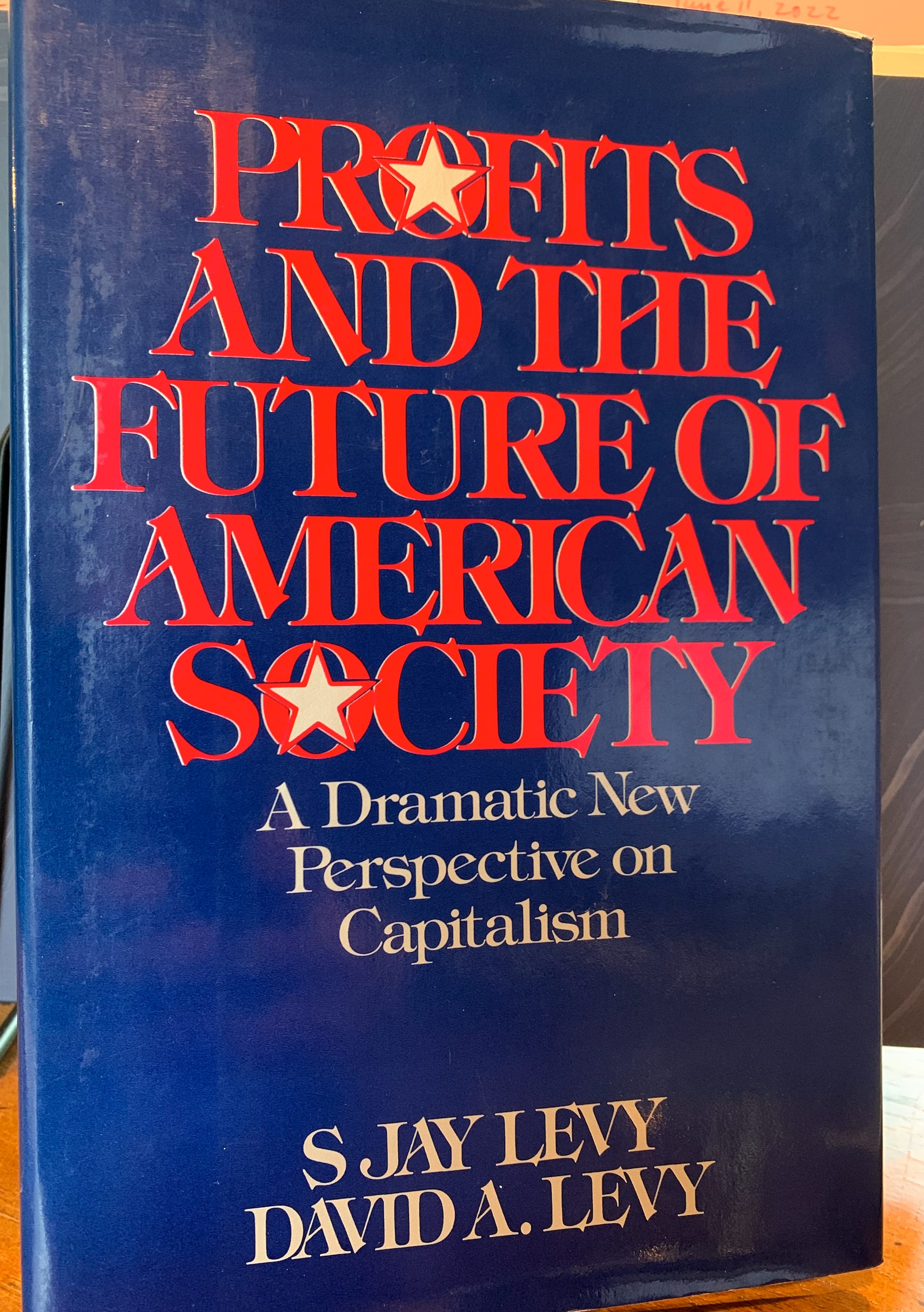
この本は、雇用率の高い経済を維持する上での利益の中心的な役割を出発点として評価しています。ジェイとデビッドが言ったように、「利益はビジネスの生命線であり、信用は利益の生命線である」。彼らの議論の中心は、基本的に利益はどこから来るのかという質問に答えるLevy-Kalecki利益方程式です。詳細な(マクロ)会計IDを使用して。
レヴィが見たように、「最適な」利益率を確保するためにマクロポリシーを調整する必要があります。利益の流れが不十分な場合、結果は失業です。もう一方の極端では、過剰な利益率がインフレに寄与する可能性があります。
理想的には、生産に貢献できるすべての利用可能な労働者が雇用の機会を持っていることを保証するために、十分な利益がビジネスに流れるべきです。しかし、この最低額よりも多くの利益が事業部門に流れ込んだ場合はどうなりますか?多くの業界の企業は、非常に高いマージンを持つことになります。そのようなマージンは拡大するインセンティブです。拡大には追加の従業員が必要ですが、誰も失業していない場合、企業はより多くの労働者を雇うことはできません。非常に広いマージンは社会的目的を果たさないので、それらは過度です。
過剰な利益率は2つの問題を引き起こします。まず、競争は緩和されます。企業は、以前よりも効率が低く、消費者のニーズへの対応が少ない余裕があります。その結果、人的および物質的資源は最善の利益のために使用されません。第二に、過剰なマージンは過剰な価格を意味します。マージンの拡大は、インフレに寄与する現象の1つです。
経済を健全に保つために、政府は利益を最適な速度で流し続ける必要があった。そして、ここでMMTとの重複が見え始めます。
利益の流れを規制するための政府の最善のツールは、財政政策です。望ましい赤字や黒字を生み出すための税金と支出の調整です。もちろん、政府の赤字は利益源であるため、財政政策は利益の流れを調整する直接的な方法です。
財政政策調整よりも望ましくない他の方法があり、利益の流れを規制する。政府、またはより正確には中央銀行である連邦準備制度理事会は、投資と消費の決定に影響を与えることによって、間接的に利益の流れに影響を与える可能性があります。
しかし、連邦準備制度理事会は利益の流れに影響を与える金融政策を設計すべきではありません。インフレと戦うために金融政策を使用しようとする試みは、市場が社会に奉仕する能力を著しく損なう。
レヴィーズは、ボルカー主導の連邦準備制度理事会が1980-81年のダブルディップ不況を引き起こした直後の1983年に本を出版し、1979年の連邦資金率を平均11.2%から1981年6月までに20%のピークに押し上げた。不況が定着するにつれて、ボルカーの政策により、米国の失業率は10%を上回った。利上げはまた、ラテンアメリカとグローバルサウス全体の危機を激化させました。しかし、今日まで、ポール・ボルカーは、彼の政策が国内および発展途上国の大部分で何十年にもわたる巨大な痛みをもたらしたにもかかわらず、インフレドラゴンを殺す「勇気」を持っていたことでライオン化されています。
連邦準備制度理事会のジェローム・パウエル議長とは異なり、ジェイとデビッド・レヴィはボルカーや彼の政策を高く評価していませんでした。
悪い薬
レヴィの本の第14章は悪い薬と呼ばれています。次の段落で開きます。
1979年10月、大統領と議会の暗黙の承認を得て、連邦準備制度理事会は失業率を高め、企業の利益を減らし、連邦赤字を広げ、生産性を抑制し、生活水準を下げるプログラムを採択した。ポリシーは信用抑制だった。政府の目的はアメリカ経済を強化することだった。経済を弱めることが目標だったら、もっと効果的な行動がとれたのではないかと疑問に思うかもしれません。
インフレとの戦いで成功するためには、レヴィはインフレ圧力の原因を正しく診断することが重要であると強調した。私がよく言うように、「価格は上がるだけではありません」。インフレに取り組む最善の方法を決定するには、何がインフレを推進しているのかを理解する必要があります。ジェイとデビッドが言ったように:
売り手がそれらを上げると価格が上昇します。適切な薬を投与するために、医師が発熱を引き起こしている病気を判断しなければならないように、治療法を処方する前にインフレの原因を診断する必要があります。過剰な利益率とコスト上昇の治療は同じではありません。
時には、過剰な利益率がインフレの原動力になることがあります。ジェイとデビッドは、「1950年の朝鮮戦争の勃発後、そして米国が1965年のベトナム戦争への参加を拡大した後に再び起こった」と主張している。しかし、それは1969年から1981年まで起こっていたことではありません。その間、売り手はコストの上昇、つまり労働と商品(特に石油)に対応するために価格を引き上げていました。
以下のような本の一節の多くは、私たちの現在の状況について簡単に書かれていたかもしれません。
金融政策は、実際のコストの上昇を防ぐことはできません。空の井戸の油を交換したり、鉄鉱石を枯渇した鉱山に戻すことはできません。また、金融政策は、労働者の生活水準に対する満足度とはあまり関係ありません。
レヴィが私たちに思い出させるように、それができることは、インフレ病の効果的な治療法を提供することを装って患者を殺す悪い薬の用量を投与することです。デビッドとジェイは再びここにいます。
インフレと戦うために厳しいお金を使うとき、「金融政策」は本当に「失業政策」です。1979年10月以降に連邦準備制度理事会が追求した戦略は、多くの労働者を失業させることによってより高い賃金への傾向を打破する計画として宣伝されませんでしたが、失業を生み出すことによってのみ効果をもたらす可能性があります。
それはパウエル議長が連邦準備制度理事会の現在の戦略を説明する方法ではありません。失業率の上昇について話す代わりに、彼は求職者数と比較して、求人数の不一致について話すことを好みます。彼が明確にしているように、目標は「供給を需要とバランスに戻す」ことであり、(あまりにも多くの)仕事を奪うことなく、求人の経済を奪うことです。1これは、パウエルがここ数ヶ月で説明した「柔らかい着陸」シナリオです。
物事がそんな風にうまくいくことを期待する理由はほとんどありません。
最初に起こることは、利上げが米国財務省の保有者への支払いを増やすことです。言い換えれば、金銭的引き締めは、少なくとも政府の債務に対する利息として知られる支出のカテゴリーで、財政拡大になります。2これはウォーレン・モスラーによって繰り返し強調されている点です。したがって、支出可能な収入が高いため、債券保有者はキャッシュフローの増加から支出することでインフレ圧力を高めることができます。さらに、ジェイとデビッド(ミンスキーと一緒に)が指摘したように、より厳しい信用はビジネスコストに追加され、より高い価格の形で消費者に引き継がれる傾向があります。3また、事業投資が損なわれ、生産能力が低下した場合、利上げは供給チャネルと需要チャネルを通じてインフレになる可能性があります。
このようなシナリオの下で、ジェームズ・ガルブレイス教授は次のように書いている。
FRBが経済が崩壊するまで、インフレは悪化するだろう。それが、ポール・ボルカーが1979年にFRB議長になった後、起こったことであり、最終的にインフレを圧着させたものです。
つまり、ヒドロキシクロロキンのような従来の金融政策は、病気の患者を連れて行き、彼をさらに悪化させる可能性があるということです。
これにより、意図的に労働の交渉力が弱まり、賃金圧力が減り、インフレがいくらか軽減される可能性があります。
私が言ったように、他のカテゴリーの支出では大規模な財政強化が進行中です。
主流の経済学者は、企業が消費者を終わらせるためにより高い賃金と物的コストの上昇を渡すことに容易に同意しているが、金利に同じ論理を適用することはないようだ。多くの企業が運転資金を調達するために短期債務に依存していることを考えると、それは興味深い。金利上昇の時代には、これらの債務はより高い金利で繰り越されます。MinskyとLevyの両方が行ったように、企業がより高い借入コストを消費者に渡すことによって利益率を守ろうとすることを期待するのは合理的です。
Bad Medicine
The Fed's rate hikes are the Hydroxychloroquine of treating inflation
While I was in graduate school at the University of Cambridge in the mid-1990s, I won a scholarship through Christ's College. It was funded by the Jerome Levy Economics Institute, and it provided support (housing, office space, and a stipend) for young scholars to carry out research while in residence on the campus of Bard College.
I spent a year (August 1997-August 1998) at Levy, working alongside MMT economists L. Randall Wray and Mathew Forstater, although no one called it "MMT" at the time. The great British economist Wynne Godley occupied the office adjacent to mine, and Hyman Minsky's office was situated directly across from me, although he passed away the year before I arrived so I never met him.
It was an exciting time, and it's where I wrote some of the papers that contributed to the early MMT scholarship. On most days, I read far more than I wrote. One of the books I read was given to me by Jay Levy, whose brother Leon founded the Institute to honor his father, Jerome. The book was called Profits and the Future of American Society, and it was written by Jay and his son David, who still runs The Jerome Levy Forecasting Center. While doing some research for my next book, I picked it up again last week.
The book takes as its starting point an appreciation for the central role of profits in maintaining an economy with high levels of employment. As Jay and David put it, "profits are the lifeblood of business, and credit is the lifeblood of profits." Central to their argument is the Levy-Kalecki profit equation, which basically answers the question Where Do Profits Come From? using a detailed (macro) accounting identity.
As the Levy's saw it, macro policy should be calibrated to ensure an "optimum" rate of profit. When the flow of profits is insufficient, the result is unemployment. At the other extreme, excessive profit margins can contribute to inflation.
Ideally, just enough profit should flow to business to assure that every available worker who can contribute to production has the opportunity for employment. But what if more profits flow into the business sector than this minimum amount? Firms in many industries will have inordinately high margins. Such margins are incentives to expand. Expansion would require additional employees, but business cannot hire more workers when no one is unemployed. Since the extra-wide margins serve no social purpose, they are excessive.
Excessive profit margins cause two problems. First, competition relaxes. Companies can afford to be less efficient and less responsive to consumer needs than formerly. Consequently, human and material resources are not used to the best advantage. Second, excessive margins mean excessive prices. Widening margins are one of the phenomena that can contribute to inflation.
To keep the economy healthy, the government needed to keep profits flowing at an optimum rate. And here's where you begin to see the overlap with MMT:
The government's best tool for regulating the flow of profits is fiscal policy—the adjustment of its taxes and spending in order to produce a desired deficit or surplus. The government deficit is, of course, a source of profits, so fiscal policy is a direct way to adjust the flow of profits. . .
There are other ways, less desirable than fiscal policy adjustments, to regulate the flow of profits. The government—or more precisely its central bank, the Federal Reserve—can affect the flow of profits indirectly by influencing investment and consumption decisions. . .
But the Federal Reserve should not design monetary policy to influence the flow of profits. . . attempts to use monetary policy to combat inflation seriously impair the ability of markets to serve society.
The Levy's published their book in 1983, shortly after the Volcker-led Federal Reserve triggered the 1980-81 double-dip recession with rate hikes that pushed the federal funds rate from an average of 11.2 percent in 1979 to a peak of 20 percent by June 1981. As the recession took hold, Volcker's policies sent the US unemployment rate soaring above 10 percent. The rate hikes also intensified crises in Latin America and across the Global South. And yet to this day, Paul Volcker is lionized for having had the "courage" to slay the inflation dragon even as his policies inflicted decades of immense pain, both domestically and across much of the developing world.
Unlike Federal Reserve Chairman Jerome Powell, Jay and David Levy did not hold Volcker or his policies in high regard.
Bad Medicine
Chapter 14 of the Levy book is called Bad Medicine. It opens with the following paragraph:
In October 1979, with the tacit approval of the president and the Congress, the Federal Reserve adopted a program of increasing unemployment, reducing corporate profits, widening the federal deficit, restraining productivity, and lowering the standard of living. The policy was credit restraint. The government's objective was to strengthen the American economy. One may well wonder what more effective actions could have been taken if the goal had been to weaken the economy.
To be successful in any fight against inflation, the Levy's emphasized that it was important to correctly diagnose the source of the inflationary pressure. As I often say, "prices don't just go up." You've got to understand what's driving the inflation in order to determine how best to tackle it. As Jay and David put it:
Prices rise when sellers raise them. . . Just as a doctor must determine what disease is causing a fever in order to administer the proper medicine, we must diagnose the causes of inflation before we can prescribe a remedy. The treatments for excessive profit margins and rising costs are not the same.
Sometimes, excessive profit margins become the driving force behind inflation. Jay and David argue that's what happened "following the outbreak of the Korean war in 1950, and again after the US expanded its participation in the Vietnam War in 1965." But it's not what was happening from 1969-1981. During that period, sellers were raising prices in an effort to keep pace with rising costs—labor and commodities (especially oil).
Many of the book's passages, like the one below, could easily have been written about our current situation:
Monetary policy cannot prevent real costs from rising. It cannot replace the oil in an empty well or put iron ore back in an exhausted mine. Nor does monetary policy have much to do with a worker's degree of satisfaction with his standard of living.
What it can do, as the Levy's remind us, is to administer a dose of bad medicine that kills the patient under the guise of delivering an effective treatment for the disease of inflation. Here are David and Jay again:
When tight money is used to fight inflation, 'monetary policy' is really 'unemployment policy.' The strategy pursued by the Federal Reserve after October 1979 was not advertised as a plan to break the trend toward higher pay by putting many workers out of their jobs, but only by creating unemployment could it have any effect.
That's not how Chairman Powell describes the Federal Reserve's current strategy. Instead of talking about rising unemployment, he prefers to talk about the mismatch between the number of job openings, relative to the number of job seekers. The goal, as he articulates it, is to "bring supply back into balance with demand," robbing the economy of job openings without robbing it of (too many) jobs.1 That's the "softish landing" scenario Powell has described in recent months.
I see little reason to expect things to play out like that.
What happens, in the first instance, is that rate hikes increase payments to holders of US Treasuries. In other words, monetary tightening becomes a fiscal expansion, at least in the category of spending known as interest on the government debt.2 This is a point stressed repeatedly by Warren Mosler. With higher income available to spend, bondholders can thus add to inflationary pressures by spending from those elevated cash flows. Additionally, as Jay and David (along with Minsky) noted, tighter credit adds to business costs, which tend to get passed on to consumers in the form of higher prices.3 And, if business investment is impaired and productive capacity shrinks, then rate hikes can add to inflation through supply channels as well as demand channels.
Under such a scenario, Professor James Galbraith writes:
Inflation would get worse until the Fed tightened so much that the economy cracked. That is what happened—and what finally squelched inflation—after Paul Volcker became Fed chair in 1979.
What this means is that conventional monetary policy, like hydroxychloroquine, can take a sick patient and make him even worse off.
This would weaken labor's bargaining power—by design—dampening wage pressures, which might then mitigate inflation somewhat.
As I've been saying, there is massive fiscal tightening underway in other categories of spending.
Notice how mainstream economists readily agree that businesses will pass on higher wages and rising material costs to end consumers, but they never seem to apply the same logic to interest rates. It's curious, given that many companies rely on short-term debt to finance working capital. In an era of rising interest rates, those debts get rolled over at higher rates. It's reasonable to expect, as both Minsky and the Levy's did—that firms will attempt to defend their profit margins by passing higher borrowing costs on to consumers.

0 件のコメント:
コメントを投稿