2023年02月14日(火) 07:50 は
2023年02月14日(火) 21:50 で
時差は 14時間 です。
https://www.jisakeisan.com/?y=2023&m=2&d=14&hh=7&mm=50&t1=est&t2=jst8つの州が力を合わせて、アメリカの最も裕福な人々への増税に乗り出しました
8つの州が力を合わせて、アメリカの最も裕福な人々への増税に乗り出しました
ステファニー・ケルトン ただ今
明日の朝、私は CNBC の Squawk Box に参加して、金持ちに課税するための新しい取り組みについて話します。このセグメントは東部標準時 7:50 に放送されます。
[ https://love-and-theft-2014.blogspot.com/2023/02/httpsyoutu.html ]
私は、バイデン大統領が先週の一般教書演説で要求した、いわゆる億万長者税について言及しているわけではありません。それはほぼ確実にどこにも行きません。私が話しているのは、カリフォルニア、コネチカット、ハワイ、イリノイ、メリーランド、ミネソタ、ニューヨーク、ワシントンに住む億万長者や億万長者に課税する州主導の取り組みについてです。
これら 8 つの州の議員は、連邦税法における不公平のいくつかに対処する方法を模索していると述べています。彼らは、投資からの収入が労働からの収入よりも優遇されるという事実を指摘しています。
そして彼らは、富裕層が税法を悪用して、毎年最大1,630 億ドルの税金の支払いを合法的に回避することで、「公平な分担金の支払い」を回避していると不満を漏らしています。IRS での強化された執行のために456 億ドルを含むインフレ削減法は、問題の一部に対処しますが、それでも多くのお金がテーブルに残されています。これら 8 つの州の議員が、コミュニティへの投資に資金を提供するために利用したいと考えている資金。
連邦政府とは異なり、個々の州は支出を賄うために「お金を見つける」必要があります。また、米国の富の 60% 以上がこれらの州に集中しているため、議員が富裕層の居住者に焦点を当てている理由は容易に理解できます。悪名高いウィリー・サットンに銀行強盗の理由を尋ねるようなものです。
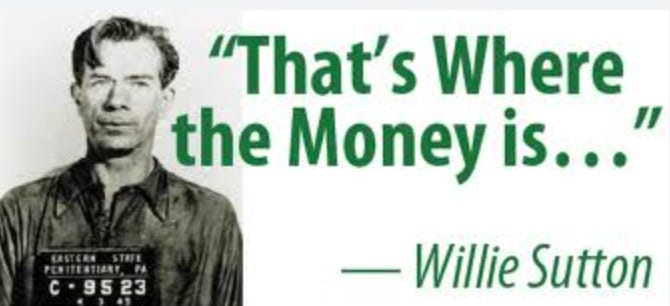
各州には、そのお金の一部を獲得するためのわずかに異なる計画があります。ワシントン・ポストは 次のように述べています。
州法案のいくつかは、エリザベス・ウォーレン上院議員 (民主党、マサチューセッツ州) が 2020 年の大統領選挙で提案した「富裕税」に似ています。これは、非常に裕福な人々が、その年の収入だけでなく、所有する資産に対して毎年税金を支払わなければならないという、米国でこれまで試みられたことのない課税形態です。他の法案は、キャピタルゲイン税や遺産税など、より従来型の課税形態から資金を調達することに焦点を当てています。
これらの州のうちどれだけが成功するかはわかりませんが、そのうちのいくつかが、最も裕福な居住者への税を引き上げる法律をなんとか通過させたとしても、私は驚かないでしょう. もちろん、多くの州ではすでに遺産税や相続税が課されているため、資産への課税はまったく新しいものではありませんが、より斬新な提案のいくつかはすでに法廷で争われています。
憲法上の反対に加えて、批評家は、裕福な人々がより課税に有利な州に移動するだけだと主張している.
そして、それらはたくさんあります。現在、少なくとも24 の州が、個人所得税率の引き下げ、固定税の制定、固定資産税の削減など、反対の方向に進む法律を検討しています。もちろん、減税は州をより魅力的な職場にし、ビジネスを行う場所にするという議論は常にあります。これは、最終的には、州がより多くの歳入を得られるようになることを意味します。実際には、これまで何度も見てきたように、物事は異なる方法でうまくいく傾向があります。
[A] 10 年前、カンザス州で、共和党のサム ブラウンバック知事が [アート] ラッファーが「トウモロコシ畑の革命」と称賛した富裕層に対する減税を実施した後、州の指導者たちは教育とインフラストラクチャに厳しい削減を課さなければなりませんでした。巨額の赤字を解消。その後、州議会は減税を撤回した。
レーガン政権の元内政顧問でラッファー評論家のブルース・バートレット氏は、「結果はかなり悪いものだった」と語った。「非常に多くの収入を失ったため、減税を可決した同じ人々が、金融事業全体を存続させるために増税を可決しなければなりませんでした。これは、アーサーのすべての分析の根底にある深刻さの欠如を示しています。」
私はブラウンバックの減税災害の際にカンザスに住んでいました.2人の子供が公立学校に通っていたとき、事態は本当に悪化し始めました. ヘザー・ブシェイが説明したように:
[T]彼の実験は非常に失敗したので、彼の党は彼に背を向けた. 2017年、共和党が優勢な議会は知事の拒否権を覆して減税を撤回した.
その夏、私たちはニューヨークに引っ越しました。
一般的に、私はこれら 8 つの州がやろうとしていることに共感しています。彼らは、手頃な価格の保育施設の不足やホームレスの問題など、政治的に人気のある方法で地域社会の問題に取り組む方法を探しています。そして、世論調査は、富裕層への増税に対して超党派の実質的な支持があることを示しています。
最近の世論調査は、裕福なアメリカ人に課税することに対する有権者の意欲が大幅に高まっていることを示しています。20世紀を通して、ギャラップ世論調査によると、全アメリカ人の半数以下が富裕層への課税を支持していたが、2012年にはわずか52%が富裕税を支持した.しかし、2021年のVox/Data for Progressの世論調査では、アメリカ人の最富裕層 2% の増税を支持する人は 71%でしたが、 2020 年のロイターの世論調査では富裕税を支持する人が 64% でした。
私は議会が連邦税法を一掃するためにもっと多くのことをしてくれることを願っています.これは巨大な混乱であり、所得と富の不平等が数十年にわたって急激に拡大した理由の大きな部分です. すでに制定されている法律を施行することで、問題の一部は解決されるでしょうが、議会が税法をより効率的かつ公平なものにする方法は、数百 (数千とは言わないまでも) あります。
ステップアップを終了し、資産ベースの融資を廃止する(または大幅に制限する)ことが助けになるでしょう。キャリー インタレストの抜け穴を閉じることもできます。そして、私の見解では、キャピタルゲインに対する優遇措置を維持することは意味がありません。世帯の下位 80% はキャピタル ゲインから収入の約 1% しか得ていませんが、上位 1% はキャピタル ゲインから収入の 20% 以上を取得しています。
このような変更を行うことで、議会は これら 8 つの州の議員が税の公正さに関して達成したいと望んでいることのいくつかに対処することができます。しかし、それ自体では、州レベルでより良い公共サービスがもたらされることはありません。そのために、これらの州はより多くのお金を使う必要があります。
これらの 8 つの州によって提案されているものは、アメリカの所得と富の不平等を大幅に削減するものではありません。役に立たないというわけではありません。それは、これらの州内の教育、育児、住宅、交通手段などを改善する代わりに、人口の小さな部分の間で(富と収入の)成長率を遅くするでしょう. そしてそれは、何千万人ものアメリカ人の生活に大きな違いをもたらすでしょう。
別の方法として、連邦政府は、拡張された児童税額控除 (CTC) を復活させたり、すべての人にメディケアを通過させたり、公立大学の授業料を無料にしたりすることで、家族の負担をさらに軽減することができます。しかし、それはすぐには起こりません。
したがって、ウィリー サットン ソリューションです。
連邦税法の下では、キャピタル ゲイン (つまり、人が株や類似の資産を売却して得た収入) は、他の収入とは異なる税率で課税されます。最高所得者は、賃金/給与からの所得に対して 37% の税金を支払いますが、キャピタルゲインに対してはわずか 20% です。
Eight States Have Joined Forces to Raise Taxes on America's Wealthiest
Stephanie Kelton just now
Tomorrow morning, I'll join CNBC's Squawk Box to talk about a new effort to tax the rich. The segment will air at 7:50 ET.
I'm not referring to the so-called billionaire tax that President Biden called for in his State of the Union address last week. That almost certainly isn't going anywhere. I'm talking about a state-led effort to raise taxes on multimillionaires and billionaires living in California, Connecticut, Hawaii, Illinois, Maryland, Minnesota, New York and Washington.
Legislators in these eight states say they're looking for ways to deal with some of the inequities in the federal tax code. They point to the fact that income from investments gets preferential treatment versus income from labor.
And they complain that the rich have avoided "paying their fair share" by exploiting the tax code to—legally—avoid paying up to $163 billion in taxes each year.The Inflation Reduction Act, which includes $45.6 billion for beefed up enforcement at the IRS, would deal with some of the problem, but it still leaves a lot of money on the table. Money that lawmakers in these eight states would like to tap in order to fund investments in their communities.
Unlike the federal government, individual states really do need to "find the money" to pay for their spending. And since more than 60 percent of the nation's wealth resides in these states, it's easy to see why lawmakers have focused on their high net worth residents. It's a bit like asking the notorious Willie Sutton why he robbed the bank.
Each state has a slightly different plan to capture some of that money. As The Washington Post put it:
Some of the state bills resemble the "wealth tax" that Sen. Elizabeth Warren (D-Mass.) pitched during her 2020 presidential candidacy. It's a form of taxation never before attempted in the United States, in which very wealthy people would have to pay taxes annually on assets that they own, rather than just their income that year. Other bills focus on raising money from more conventional forms of taxation, including capital gains taxes and estate taxes.
I have no idea how many of these states will be successful, but I wouldn't be surprised if some of them manage to pass legislation that boosts taxes on their wealthiest residents. Of course, many states already have estate taxes or inheritance taxes so taxing wealth isn't entirely new, but some of the more novel proposals have already run into court challenges.
In addition to constitutional objections, critics maintain that the wealthy will simply move to more tax-friendly states.
And there are plenty of them. Right now, at least 24 states are considering legislation that would move them in the opposite direction, reducing personal income tax rates, enacting flat taxes, cutting property taxes, and so on.Of course the argument is always that cutting taxes will make states more attractive places to work and do business, which ultimately means that states will have even more revenue to work with. In reality, as we have seen time and again, things tend to work out differently.
[A] decade ago in Kansas, after Republican Gov. Sam Brownback instituted tax reductions on the wealthy that [Art] Laffer hailed as a "revolution in a cornfield," state leaders had to impose severe cuts to education and infrastructure as they scrambled to close a massive deficit. The state legislature then reversed the tax cuts.
"It turned out pretty badly," said Bruce Bartlett, a former domestic policy adviser to Reagan and a Laffer critic. "It lost so much revenue that the same people who passed the tax cut had to pass an increase to keep the whole financial enterprise afloat. It shows the lack of seriousness that underlies all of Arthur's analyses."
I was living in Kansas during Brownback's tax-cutting disaster, and I had two kids in public school when things started to get really bad. As Heather Boushey explained:
[T]he experiment was such a failure that his party turned against him. In 2017, the Republican-dominated legislature, overriding the governor's veto, rolled back the tax cuts.
We moved to New York that summer.
In general, I'm sympathetic to what these eight states are trying to do. They're looking for a way to tackle problems—like the lack of affordable child care and homelessness—in their communities in a way that is politically popular. And polls show that there is substantial bipartisan support for raising taxes on the rich.
Recent polling indicates a huge spike in voter appetite to tax wealthy Americans. Throughout the 20th century, Gallup polling found that less than half of all Americans favored taxing the wealthy, before a slim majority — just 52% — turned in favor of a wealth tax in 2012. But a Vox/Data for Progress poll in 2021 found 71% support for raising the taxes of the wealthiest 2% of Americans, while a Reuters poll from 2020 found 64% support for a wealth tax — a slight increase from a 2019 Brookings poll that found 61% support for taxing the rich.
I do wish that Congress would do more to clean up the federal tax code, which is a huge mess and a big part of the reason that income and wealth inequality have risen so sharply over the decades. Enforcing the laws that are already on the books would deal with some of the problem, but there are hundreds (if not thousands) of ways that Congress could make the tax code more efficient and more equitable.
Ending the step-up-in-basis and doing away with (or substantially limiting) asset-based lending would help. So would closing the carried interest loophole. And it makes no sense—in my view—to retain the preferential treatment on capital gains. The bottom 80% of households only get about 1% of their income from capital gains, whereas the top 1% get more than 20% of their earnings from capital gains.
By making changes like these, Congress could address some of what lawmakers in these eight states are hoping to achieve in terms of tax justice. But they would not—by themselves—result in better public services at the state level. For that, these states need more money to spend.
Nothing that's being proposed by these eight states would substantially reduce income and wealth inequality in America. That's not to say that it wouldn't help. It would slow the rate of growth (of wealth and income) among a small segment of the population in exchange for upgrading education, child care, housing, transportation, etc. within these states. And that would make an enormous difference in the lives of tens of millions of Americans.
As an alternative, the federal government could relieve more of the strain on families by reinstating the expanded Child Tax Credit (CTC), passing Medicare-for-All or making public colleges and universities tuition-free. But none of that is happening anytime soon.
Hence the Willie Sutton solution.
Under the federal tax code, capital gains —i.e. income that a person makes from selling a stock or similar asset — are taxed at a different rate from other income. The highest earners pay 37 percent tax on income from wages/salaries but just 20 percent on capital gains.

0 件のコメント:
コメントを投稿