Abstract
The theoretical basis for measuring child costs is discussed, and detailed consideration is given to two straightforward procedures for calculation, Engel's food share method and Rothbarth's adult good method. Each of these methods embodies different definitions of child costs so that the same empirical evidence can generate quite different estimates depending on the method used. It is shown that true costs are generally overstated by Engel's method and understated by Rothbarth's procedure, although the latter, unlike the former, can provide a sensible starting point for cost measurement. Our estimates from Sri Lankan and Indonesian data suggest that children cost their parents about 30-40 percent of what they spend on themselves.
概要
子供のコストを測定するための理論的基礎を議論し、Engelのフードシェア法とRothbarth ★ のアダルトグッド法という2つの分かりやすい計算方法を詳細に検討した。これらの方法は、それぞれ異なる子どもコストの定義を具現化しているため、同じ経験的証拠でも、使用した方法によって全く異なる推定値が得られる。真のコストは、Engelの方法では一般的に過大評価され、Rothbarthの方法では過小評価されることが示されていますが、後者は前者とは異なり、コスト測定のための賢明な出発点となり得ます。スリランカとインドネシアのデータから得られた我々の推計によると、子どもが親にかける費用は、子ども自身にかける費用の約30〜40%であることがわかりました。
- Deaton, Angus (1997). The Analysis of Household Surveys: A Microeconometric Approach to Development Policy. Baltimore: Johns Hopkins University Press for the World Bank. ISBN 0801852544
アンガス・ディートン著/家計調査分析:開発政策へのミクロ計量経済学アプローチ(再刊・新序文つき)
| ||||||||||||||||||||||||





But the big story, which is what Anne and I write
about in our book, is the incredible cost of
healthcare coupled with the way it's funded. One
dollar in five in America goes to supporting this
obscenely swollen industry. And then we're
financing most of it off less-educated workers.
That premium per family is now over $20,000 a
year. If you take that over a 2,000-hour work year,
it's $10 an hour that has to be met by the firm. And
it either has to come out of profits or out of wages.
And that destroys jobs.
The point is just getting costs under control. I
really, really believe in the market. But the market
cannot deliver healthcare, right? We try and all we
do is create a mess of rent-seeking and upward
redistribution and this catastrophic healthcare
system that hides behind free-market ideology.
しかし、この本でAnneと私が書いているように、大きな話題は
本の中では、医療費とその財源の問題についても触れています。
驚くべき医療費と、その財源のあり方です。アメリカでは
アメリカでは、5ドルのうち1ドルがこの
アメリカでは5ドルのうち1ドルがこの巨大な産業を支えるために使われています。そして、そのほとんどを
そのほとんどを低学歴の労働者から調達しています。
一世帯あたりの保険料は現在、年間2万ドルを超えています。
世帯あたりの保険料は現在、年間2万ドルを超えています。年間2,000時間の労働時間で計算すると、1時間あたり10ドルの負担になります。
1時間あたり10ドルを企業が負担することになります。そして
利益から捻出するか、賃金から捻出するかのどちらかになります。
これでは雇用が失われてしまいます。
重要なのは、コストをコントロールすることです。
私は市場を心から信じています。しかし、市場では
医療を提供することはできませんよね?やってみても、レントシーキングや上昇志向の混乱を引き起こすだけです。
レントシーキングや上方への再分配の混乱を引き起こしてしまいます。
再分配を行い、自由市場のイデオロギーに隠れた破滅的な医療制度を作ってしまうのです。
自由市場のイデオロギーに隠れて、破滅的な医療制度を作っているのです。
A college degree is now 'a matter of life and death,' says this Nobel Prize winner
The Value Gap
During the COVID pandemic, suicides have declined but drug overdoses have risen rapidly
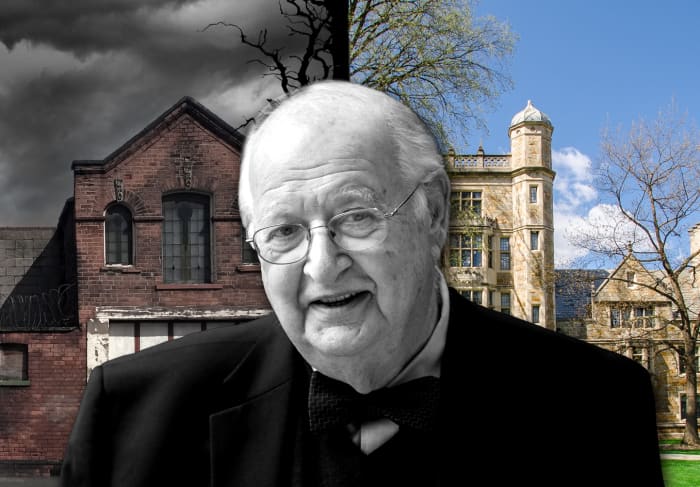
The Value Gap is a MarketWatch interview series with business leaders, academics, policymakers and activists on reducing racial and social inequalities.
Last year, Nobel Prize winner Angus Deaton and his wife Anne Case, both emeritus professors at Princeton University, published "Deaths of Despair," a much-acclaimed book that delved into why the mortality rate among non-Hispanic white Americans without a college degree has been rising, undoing a century of progress.
They recently released new research that looked at the data through the end of 2019 and into the pandemic and how "deaths of despair" have spread among other groups as well. Their grim finding: For white Americans aged 25-74 who don't have a college degree, the alcohol-related mortality rate rose 41%, mortality from drugs soared 71% and the suicide rate climbed by 17% between 2013 and 2019. Some of those trends continued into the pandemic.
MarketWatch spoke with Deaton to find out why he and Case believe a college education has become "a matter of life and death." The interview has been edited for length and clarity.
MarketWatch: Over the past decade, you have been studying "deaths of despair" among blue-collar, non-college-educated Americans. That's a term your wife and collaborator Anne Case coined. Would you please define it and discuss the trends you have seen up to the beginning of the pandemic?
Deaton: We found there were three causes of death that were rising quite rapidly. One of them was drug overdoses. Another one was suicide. And the third one was alcoholic liver disease. And perhaps the most stunning thing about that increase in deaths was that it was almost entirely confined to people without a four-year college degree.
So, the real important cutoff here is between having a bachelor's degree and not. When we first wrote about it in 2015, it was confined to white non-Hispanics, but after about 2013, it moved into the African-American community, too.
MarketWatch: Mortality among African-Americans is higher in a lot of different ways. But you've also seen the gap between African-Americans who have college degrees and those who don't.
Deaton: There's a gap between African-Americans and white non-Hispanics wherever you look. And it's true for people with a BA and for people who don't have a BA. But it's been closing at the same time that the gaps between people with and without a BA have been expanding for both Blacks and whites.
So the biggest gaps now are between people who do and do not have a BA. The gaps between whites and Blacks have been narrowing, though that slowed down over the last few years. And it will slow down a good deal more during COVID.
MarketWatch: You said in your paper that these trends are unique to the United States. You don't really see them in any other developed country, is that correct?
Deaton: That's right.
MarketWatch: So this is not just for deaths of despair, but for other kinds of conditions as well, like cardiovascular disease?
Deaton: Right. We've been talking about all-cause mortality.
Cardiovascular disease, which is a much bigger killer than pretty much anything else and has been the main driving force of mortality reductions in the last quarter of the 20th century, has really begun to stall out. For people without a BA it has begun to rise.
MarketWatch: So through the end of 2019, you saw these patterns developing over the previous decade?
Deaton: Yes. Starting in the early to mid-90s, the approval of OxyContin was a marker to some extent, and things really took off after that. 2019 was a little bit better than 2018. But [the first few months of] 2020 look much worse.
MarketWatch: COVID started hitting the Northeast heavily around last March. And we're about a year and a half into the pandemic. How has that affected the trends that you've studied?
Deaton: We know bits and pieces, but we don't have access to the complete set of death records. The last year for which we have that was 2019.
But if you look at the deaths of despair, I mean, that became sort of a political football, because Alex Azar, who was Secretary of Health and Human Services, and President Trump himself had said that lockdowns would be a disaster because thousands and thousands of people would be killing themselves.
MarketWatch: The president actually said more people would die of suicide than of COVID if we didn't end the lockdowns.
Deaton: From the evidence we have, it's pretty clear that the suicides that President Trump predicted have not happened; in fact, suicides went down in 2020 compared with 2019. And that seems to happen in pretty much all the countries for which we have data. [A study] in the Lancet showed reductions in suicide in the first six months of the pandemic in 21 countries.
[On the other hand], drug overdoses in the U.S. have risen rapidly during the pandemic. But they were rising very rapidly in December, January, February of 2020, before anyone had ever heard of the pandemic.
MarketWatch: We'll get back to drugs in a bit. According to the Georgetown Center on Education and the Workforce, a four-year college graduate earns on average 84% more over a lifetime than someone who has only a high school diploma. But you write that a college degree has become "a matter of life and death." Is it that grim?
Deaton: We already talked about the fact that death rates are going up for people without a BA and going down for people with a BA. That sounds like a matter of life and death to me. But it's also true that if you fail your BA, they don't take you out and shoot you.
So I think that statement is correct and also, that the college premium has become enormous. And again, the troublesome thing is not so much the people at the top are doing really well, but the median wage for men without a BA has fallen for 50 years.
MarketWatch: But there are quite a few people who don't have BAs who are doing really well. I mean, try to get a plumber or electrician or a landscaper these days.
Deaton: That would be great. I'm very happy [if wages are] rising, which they haven't done for a really long time.
MarketWatch: And the jobs the Labor Department projects will be the fastest-growing over the next 10 years include quite a few like solar photovoltaic installers or occupational therapy assistants—plumbers and electrician are always in demand—that don't require college degrees, and they pay pretty well.
Deaton: Well, I noticed the CEO of Merck said they're going to expand their hiring of people without a college degree, so it may be not just the plumbers you're talking about, but lots of other jobs, for instance, in coding, computer work, and also some other things which currently require BAs.
And we are talking about averages here. Journalists tend to do this all the time; they'll say, "Well, these people say that GDP is going up, but my uncle Fred, his income went down last year, so they're wrong." Well, we shouldn't be going there. Average means it's not true for everybody.
MarketWatch: OK. You and Anne Case also write in your paper that these rising deaths of despair among people who don't have a four-year college degree show that our economy and society are "not delivering for the majority of Americans." Is that because most Americans are not college-educated?
Deaton: Yes. Two-thirds of them do not have a college degree. It's an outrage. It's not just like there's a few people who didn't do very well. It's the two-thirds of the population that don't have a college degree and it's unnecessary.
I mean, in a better world, we could arrange our jobs and education system very differently. Look at the Netherlands or Germany, for instance. There are lots of routes to respect and dignity and meaningful work. It's not all getting the BA. A lot of [German workers] have apprenticeships. There's great pride in that. The BA has become a condition for dignified work and self-esteem. That's terrible; that's not what a BA is for.
MarketWatch: What has changed in America since the 1970s that has led to this horrible situation in so many parts of the country of drug addiction, suicide, and early death?
Deaton: The real bad guys are the people who are pushing drugs, sometimes illegally and sometimes legally. That was one of the great scandals in the U.S., that essentially heroin with an FDA label on (it's called OxyContin) was pumped out in enormous numbers and individual members of Congress, as we described in "Deaths of Despair," blocked enforcement efforts to stop this.
These are very well-financed people getting rich by addicting the population. The Sackler family alone made its $13 billion [fortune primarily from OxyContin]. Other countries do not allow that. They use OxyContin in Germany and Britain and France, but it is not pumped out into the general population like that.
But on the other hand, Anne and I would argue that there was just a lot of pain out there, there was a lot of despair, there was a lot of unhappiness, which made fertile ground for evildoers to come in and unleash this wave of addiction and death.
So, what are the underlying things that have made life so difficult over the last 50 years for people without a BA? The obvious candidates are globalization and automation and the lack of good jobs with good corporations for less-educated people. Now, globalization and automation can't explain that by themselves, because you have those in every country in the world and you don't get deaths of despair in those other countries.
But the big story, which is what Anne and I write about in our book, is the incredible cost of healthcare coupled with the way it's funded. One dollar in five in America goes to supporting this obscenely swollen industry. And then we're financing most of it off less-educated workers. That premium per family is now over $20,000 a year. If you take that over a 2,000-hour work year, it's $10 an hour that has to be met by the firm. And it either has to come out of profits or out of wages. And that destroys jobs.
Also, there are very few corporations anymore that hire their own food-service workers, their own transport staff, cleaners, or janitorial staff. Those jobs used to be inside large corporations. And there was always a possibility that the janitor could become the CEO, or more realistically, the janitors were part of the firm and that helped give their lives meaning. All that is gone.
MarketWatch: You mentioned in your book the work of William Julius Wilson, who studied what happened to the Black community on the South Side of Chicago when the steel mills shut down. The social breakdown that followed (including declining marriage rates and increased drug use) also happened 20 years later in non-college-educated white working-class communities.
Deaton: Absolutely. When we went to the White House after I won the Nobel Prize, President Obama suggested to us that we explore exactly that parallel, which we did in a whole chapter in the book.
When these jobs go away, it destroys social life and communities come apart and people don't go to church anymore. It sounds just like what William Julius Wilson described. It is.
MarketWatch: So how is this all connected with politics? You write in so many words that the Democratic Party divorced non-college-educated, blue-collar whites.
Deaton: Absolutely. We're not the first to say that. After 1968, the Democrats turned themselves into a party of the educated elite and minorities. And Republicans have been more and more representing these less-educated people. Of course, Republicans are also very dependent on financing from corporations and from the rich, and that alliance doesn't work very well. And so you have maybe half the population just being shut out of politics altogether, whose voice is not heard in Washington.
MarketWatch: So why did so many gravitate toward a Republican Party and Trump who stand for policies that for the most part don't help them?
Deaton: Because for them, the Democrats are much, much worse.
MarketWatch: Why? Because they help minorities?
Deaton: Well, there is this unpleasant racist part of this, which is that many less-educated whites see Blacks as threatening their way of life and their jobs–
MarketWatch: And immigrants, too.
Deaton: And they see the Democrats on the side of those people and they want that to stop. It was also during the Clinton administration that NAFTA was signed, and [when China was about to enter the World Trade Organization,] Clinton made this wonderful speech where he said, "If you believe in a future of greater openness and freedom for the people of China, you ought to be for this agreement. If you believe in a future of greater prosperity for the American people, you certainly should be for this agreement."
And they just watched their industries, their jobs being destroyed on the Democrats' watch. So, I don't think they particularly favor the Republicans, but they see them as just way better. And the condescension that came out of the election campaign of Hillary Clinton, for instance. If I hadn't disliked Trump so much–
MarketWatch: The "deplorables" comment?
Deaton: It's awful. These are good people and they're having a really rough time.
MarketWatch: So, what's the answer? I mean if the votes were there in Congress to pass big change?
Deaton: If we had any other healthcare system in the world, that would cut our costs in half [and] liberate an enormous amount of jobs and job opportunities that we used to have that are not there anymore. So, that's the single most important thing. And it's not because we want to extend healthcare or give vision care or dental care to everybody. That's not the point.
The point is just getting costs under control. I really, really believe in the market. But the market cannot deliver healthcare, right? We try and all we do is create a mess of rent-seeking and upward redistribution and this catastrophic healthcare system that hides behind free-market ideology.
MarketWatch: Would it be something like the National Health Service in Britain? Or Canada's system?
Deaton: Well, you don't have to go that far. And I know the term socialized medicine really bothers people. You don't have to have the doctors working for the government, which is what happens with the NHS. But the French don't do that. The Swiss don't do that. The Swiss have the second-most-expensive healthcare system in the world. And the difference between the Swiss and the Americans is 6% of GDP, right? So, they're a third cheaper than we are. That's 125% of the total amount we spend on the military.
MarketWatch: How about child care?
Deaton: Well, I'm very much in favor of the child tax credit, [which] reduced child poverty in the year it's been in place by 50%. We have pretty good studies saying that childhood poverty is really bad for people.
MarketWatch: Any final thoughts?
Deaton: I'm not very optimistic. It's really very hard to see how we get out of this now.
MarketWatch: And the politics seems to be getting worse, not better.
Deaton: That's what I meant, really.
More (from the MarketWatch archives): Why American capitalism doesn't work for all Americans, says Nobel winner Angus Deaton
Partner Center
Most Popular
大学の学位は今や「生と死の問題」だとこのノーベル賞受賞者は言う
バリューギャップ
COVIDのパンデミックの間、自殺は減少しましたが、薬物の過剰摂取は急速に増加しました
バリューギャップ は、人種的および社会的不平等の削減に関するビジネスリーダー、学者、政策立案者、活動家へのMarketWatchインタビューシリーズです。
昨年、プリンストン大学の名誉教授であるノーベル賞受賞者のアンガス・ディートンと彼の妻のアン・ケースは、大学の学位を持たない非ヒスパニック系白人アメリカ人の死亡率を掘り下げた、高く評価されている本「DeathsofDespair」を出版しました。上昇しており、1世紀の進歩を元に戻しています。
彼らは最近、2019年末までのデータとパンデミック、そして「絶望の死」が他のグループにもどのように広がっているかを調べた新しい 研究を発表しました。彼らの厳しい発見:大学の学位を持たない25〜74歳の白人アメリカ人の場合、アルコール関連の死亡率は41%上昇し、薬物による死亡率は71%上昇し、自殺率は2013年から2019年の間に17%上昇しました。それらの傾向の内、パンデミックが続いた。
マーケットウォッチはディートンと話をして、彼とケースが大学教育が「生と死の問題」になったと信じている理由を調べました。インタビューは長さと明確さのために編集されました。
MarketWatch:過去10年間、あなたはブルーカラーの大学教育を受けていないアメリカ人の間で「絶望の死」を研究してきました。それはあなたの妻であり協力者であるアン・ケースが造った言葉です。それを定義し、パンデミックが始まるまでに見た傾向について話し合っていただけませんか。
ディートン:私たちは、非常に急速に増加している3つの死因があることを発見しました。それらの1つは薬物の過剰摂取でした。もう一つは自殺でした。そして3つ目はアルコール性肝疾患でした。そして、おそらくその死者の増加について最も驚くべきことは、それが4年の大学の学位を持たない人々にほぼ完全に限定されていたことでした。
したがって、ここでの本当に重要なカットオフは、学士号を取得するかどうかです。2015年に最初にそれについて書いたとき、それは白人の非ヒスパニック系に限定されていましたが、2013年頃以降、アフリカ系アメリカ人のコミュニティにも移動しました。
MarketWatch:アフリカ系アメリカ人の死亡率は、さまざまな点で高くなっています。しかし、大学の学位を持っているアフリカ系アメリカ人とそうでないアフリカ系アメリカ人の間のギャップも見ました。
ディートン:どこを見ても、アフリカ系アメリカ人と白人の非ヒスパニック系白人の間にはギャップがあります。そして、それは学士号を持っている人と学士号を持っていない人にも当てはまります。しかし、BAのある人とない人の間のギャップが黒人と白人の両方で拡大しているのと同時に、それは閉じています。
したがって、現在最大のギャップは、BAを持っている人と持っていない人の間です。白人と黒人の間のギャップは狭くなっていますが、それは過去数年間で減速しました。そしてそれはCOVIDの間にかなり遅くなります。
MarketWatch:あなたはあなたの論文で、これらの傾向は米国に特有であると述べました。他の先進国では実際に見かけませんが、それは正しいですか?
ディートン:その通りです。
MarketWatch:では、これは絶望の死だけでなく、心血管疾患などの他の種類の状態にも当てはまりますか?
ディートン:そうですね。私たちはすべての原因による死亡率について話してきました。
心血管疾患は、他の何よりもはるかに大きな死因であり、20世紀の最後の四半期に死亡率を低下させる主な原動力でしたが、実際に失速し始めています。BAを持たない人々にとって、それは上昇し始めています。
MarketWatch:では、2019年の終わりまでに、これらのパターンが過去10年間で発展しているのを見ましたか?
ディートン:はい。90年代初頭から中期にかけて、オキシコンチンの承認はある程度の目印となり、その後は本当に物事が始まりました。2019年は2018年より少し良かったです。しかし、2020年の[最初の数か月]ははるかに悪く見えます。
MarketWatch: COVIDは、昨年3月頃に北東部を襲い始めました。そして、私たちはパンデミックに約1年半かかります。それはあなたが研究した傾向にどのように影響しましたか?
ディートン:私たちは断片を知っていますが、死亡記録の完全なセットにアクセスすることはできません。昨年は2019年でした。
しかし、絶望の死を見ると、それは一種の政治的フットボールになりました。保健福祉長官であったアレックス・アザールとトランプ大統領自身が、何千、何千という理由で封鎖は惨事になると言っていたからです。の人々は自殺するでしょう。
MarketWatch:大統領は、封鎖を終わらせなければ、COVIDよりも多くの人が自殺で死ぬだろうと実際に言った。
ディートン:私たちが持っている証拠から、トランプ大統領が予測した自殺が起こっていないことはかなり明らかです。実際、自殺は2019年と比較して2020年に減少しました。そして、それは私たちがデータを持っているほとんどすべての国で起こっているようです。ランセットでの[研究]は、21カ国でパンデミックの最初の6ヶ月で自殺の減少を示しました。
[一方で]、米国での薬物の過剰摂取は、パンデミックの間に急速に増加しています。しかし、2020年の12月、1月、2月には、パンデミックについて誰もが耳にする前に、非常に急速に上昇していました。
MarketWatch:もう少し薬に戻ります。ジョージタウン教育センターと労働力によると、4年制大学の卒業生は、高校の卒業証書しか持っていない人よりも、生涯で平均84%多く稼いでいます。しかし、あなたは大学の学位が「生と死の問題」になっていると書いています。それは厳しいですか?
ディートン: BAのない人の死亡率は上昇し、BAのある人の死亡率は低下しているという事実についてはすでに話しました。それは私には生と死の問題のように聞こえます。しかし、あなたがあなたのBAに失敗した場合、彼らはあなたを連れ出し、あなたを撃つことはないということも事実です。
ですから、その発言は正しいと思いますし、大学の保険料は莫大になっていると思います。繰り返しになりますが、厄介なのは、トップの人々がそれほどうまくやっていないということですが、BAを持たない男性の賃金の中央値は50年間下がっています。
MarketWatch:しかし、BAを持っていない人の中には本当にうまくやっている人がかなりいます。つまり、最近は配管工、電気技師、造園家を雇うようにしてください。
ディートン:それは素晴らしいことです。[賃金が上がっているのなら]私はとても幸せですが、彼らは本当に長い間そうしていませんでした。
MarketWatch:そして、労働省のプロジェクトが今後10年間で最も急成長する仕事には、太陽光発電の設置業者や作業療法助手など、大学の学位を必要としない配管工や電気技師が常に求められているものが含まれます。彼らはかなりよく支払う。
ディートン:そうですね、メルクのCEOが大学の学位を持たない人の採用を拡大すると言っていることに気づきました。そのため、あなたが話している配管工だけでなく、他の多くの仕事もそうかもしれません。コーディング、コンピューター作業、および現在BAを必要とするその他のいくつかのこと。
そして、ここでは平均について話します。ジャーナリストは常にこれを行う傾向があります。彼らは、「まあ、これらの人々はGDPが上がっていると言っていますが、私の叔父のフレッド、彼の収入は去年落ちたので、彼らは間違っています」と言うでしょう。まあ、そこに行くべきではありません。平均は、それがすべての人に当てはまるわけではないことを意味します。
MarketWatch:わかりました。あなたとアン・ケースはまた、4年制大学の学位を持たない人々の間で絶望のこれらの増加する死は、私たちの経済と社会が「アメリカ人の大多数に貢献していない」ことを示しているとあなたの論文に書いています。それはほとんどのアメリカ人が大学教育を受けていないからですか?
ディートン:はい。それらの3分の2は大学の学位を持っていません。それは怒りです。うまくいかなかった人が数人いるだけではありません。大学の学位を持っていないのは人口の3分の2であり、それは不要です。
つまり、より良い世界では、私たちの仕事と教育システムを非常に異なった方法で配置することができます。たとえば、オランダやドイツを見てください。尊敬と尊厳、そして有意義な仕事への道はたくさんあります。すべてがBAを取得しているわけではありません。多くの[ドイツ人労働者]は見習いをしています。それには大きな誇りがあります。BAは威厳のある仕事と自尊心の条件になっています。それはひどい; それはBAの目的ではありません。
MarketWatch: 1970年代以降、麻薬中毒、自殺、早期死亡という国の多くの地域でこの恐ろしい状況を引き起こしたアメリカの変化は何ですか?
ディートン:本当の悪者は、時には違法に、時には合法的に、麻薬を押している人々です。これは米国での大きなスキャンダルの1つであり、「Deaths of Despair」で説明したように、本質的にFDAラベルが付いたヘロイン(OxyContinと呼ばれる)が膨大な数の議員に送り出され、執行努力が阻止されました。やめて。
これらは、人口を中毒にすることによって金持ちになる非常に資金のある人々です。サックラー家だけでも130億ドルを稼いだ[主にオキシコンチンからの財産]。他の国はそれを許可していません。彼らはドイツ、イギリス、フランスでオキシコンチンを使用していますが、そのように一般の人々に送り出されていません。
しかしその一方で、アンと私は、そこにはたくさんの痛みがあり、たくさんの絶望があり、たくさんの不幸があり、悪行者が入ってこの波を解き放つための肥沃な土地を作ったと主張します中毒と死。
では、過去50年間、学士号を持たない人々の生活を非常に困難にしてきた根本的な原因は何でしょうか。明らかな候補者は、グローバリゼーションと自動化、そして教育水準の低い人々のための優れた企業との優れた仕事の欠如です。さて、グローバリゼーションと自動化だけではそれを説明することはできません。なぜなら、あなたは世界のすべての国にそれらを持っており、それらの他の国で絶望の死を迎えることはないからです。
しかし、アンと私が私たちの本で書いていることである大きな話は、それが資金を供給される方法と相まって、ヘルスケアの信じられないほどのコストです。アメリカでは5人に1ドルが、この猥褻な産業の支援に使われています。そして、私たちはそのほとんどを教育水準の低い労働者から資金提供しています。家族あたりの保険料は現在、年間2万ドルを超えています。年間2,000時間以上の労働を行う場合、会社が満たす必要があるのは1時間あたり10ドルです。そしてそれは利益か賃金のどちらかから出なければなりません。そしてそれは仕事を破壊します。
また、独自の外食産業労働者、独自の輸送スタッフ、掃除人、または用務員を雇用している企業はもうほとんどありません。それらの仕事はかつて大企業の中で行われていました。そして、管理人がCEOになる可能性は常にありました。より現実的には、管理人は会社の一部であり、彼らの生活に意味を与えるのに役立ちました。それはすべてなくなっています。
MarketWatch:あなたはあなたの本の中で、製鉄所が閉鎖されたときにシカゴのサウスサイドの黒人コミュニティに何が起こったのかを研究したウィリアム・ジュリアス・ウィルソンの仕事について言及しました。その後の社会的崩壊(結婚率の低下や薬物使用の増加を含む)は、20年後に大学教育を受けていない白人労働者階級のコミュニティでも起こりました。
ディートン:もちろんです。私がノーベル賞を受賞した後にホワイトハウスに行ったとき、オバマ大統領は私たちに、本の全章で行ったのとまったく同じことを探求することを提案しました。
これらの仕事がなくなると、それは社会生活を破壊し、コミュニティは崩壊し、人々はもはや教会に行きません。ウィリアム・ジュリアス・ウィルソンが説明したように聞こえます。です。
MarketWatch:では、これはすべて政治とどのように関連していますか?あなたは非常に多くの言葉を書いているので、民主党は大学教育を受けていないブルーカラーの白人と離婚しました。
ディートン:もちろんです。それを最初に言ったのは私たちではありません。1968年以降、民主党は教育を受けたエリートとマイノリティの党になりました。そして共和党員はますますこれらの教育水準の低い人々を代表してきました。もちろん、共和党員も企業や金持ちからの資金調達に大きく依存しており、その同盟はあまりうまく機能していません。ですから、おそらく人口の半分が政治から完全に締め出されているだけで、その声はワシントンでは聞かれません。
MarketWatch:では、なぜ多くの人が共和党とトランプに引き寄せられ、ほとんどの場合彼らを助けない政策を支持しているのでしょうか。
ディートン:彼らにとって、民主党員ははるかに悪いからです。
MarketWatch:なぜですか?彼らは少数派を助けるので?
ディートン:まあ、これにはこの不快な人種差別的な部分があります。それは、多くの教育水準の低い白人が黒人を彼らの生き方や仕事を脅かしていると見なしているということです。
MarketWatch:そして移民も。
ディートン:そして彼らはそれらの人々の側に民主党員を見て、それを止めたいと思っています。NAFTAが調印されたのもクリントン政権の時代であり、[中国が世界貿易機関に加盟しようとしたとき]クリントンはこの素晴らしい演説を行い、「人々のより大きな開放と自由の未来を信じるなら中国の場合、あなたはこの協定に賛成するべきです。アメリカ国民のより大きな繁栄の未来を信じるなら、あなたは確かにこの協定に賛成するべきです。」
そして彼らはちょうど彼らの産業を見ました、彼らの仕事は民主党員の時計で破壊されました。ですから、彼らが共和党員を特に支持しているとは思いませんが、彼らは彼らをはるかに優れていると見ています。そして、例えば、ヒラリー・クリントンの選挙運動から生まれた叱責。私がトランプをそれほど嫌っていなかったら–
MarketWatch:「嘆かわしい」コメント?
ディートン:それはひどいです。これらは良い人々であり、彼らは本当に大変な時間を過ごしています。
MarketWatch:では、答えは何ですか?大きな変化を通過させるために議会で投票があったかどうかということですか?
ディートン:もし私たちが世界に他の医療制度を持っていたら、それは私たちのコストを半分に削減し[そして]私たちがかつて持っていた膨大な量の仕事と仕事の機会を解放します。だから、それが唯一の最も重要なことです。そして、それは私たちがヘルスケアを拡大したり、すべての人にビジョンケアや歯科治療を提供したいからではありません。それは重要ではありません。
重要なのは、コストを管理することです。私は本当に、本当に市場を信じています。しかし、市場はヘルスケアを提供できませんよね?私たちが試みているのは、レントシーキングと上向きの再分配の混乱と、自由市場のイデオロギーの背後に隠れているこの壊滅的な医療制度を作り出すことだけです。
MarketWatch:それは英国の国民保健サービスのようなものでしょうか?それともカナダのシステム?
ディートン:まあ、そんなに遠くまで行く必要はありません。そして私は、社会化医療という用語が本当に人々を悩ませていることを知っています。NHSで起こっていることですが、政府のために医師を働かせる必要はありません。しかし、フランス人はそれをしません。スイス人はそれをしません。スイスは世界で2番目に高価な医療制度を持っています。スイス人とアメリカ人の違いはGDPの6%ですよね?だから、彼らは私たちよりも3分の1安いです。これは、私たちが軍に費やす総額の125%です。
MarketWatch:育児はどうですか?
ディートン:そうですね、私は児童税額控除に非常に賛成です。これにより、実施された年の子どもの貧困が50%削減されました。子どもの貧困は人々にとって本当に悪いと言っているかなり良い研究があります。
MarketWatch:最終的な考えはありますか?
ディートン:私はあまり楽観的ではありません。私たちが今これからどのように抜け出すかを見るのは本当に非常に難しいです。
MarketWatch:そして、政治は悪化しているように見えますが、良くはありません。
ディートン:それは私が本当に意味したことです。
詳細(MarketWatchアーカイブから): なぜアメリカの資本主義はすべてのアメリカ人にとってうまくいかないのか、ノーベル賞受賞者のアンガス・ディートンは言います
★
アンガス・ディートン著/家計調査分析:開発政策へのミクロ計量経済学アプローチ(再刊・新序文つき)
Preface ix
1.1 Survey design 9
1.2 The content and quality of survey data 22
1.3 The Living Standards Surveys 32
1.4 Descriptive statistics from survey data 40
1.5 Guide to further reading 61
2.1 Survey design and regressions 66
2.2 The econometrics of clustered samples 73
2.3 Heteroskedasticity and quantile regressions 78
2.4 Structure and regression in nonexperimental data 92
2.5 Panel data 105
2.6 Instrumental variables 111
2.7 Using a time-series of cross-sections 116
2.8 Two issues in statistical inference 127
2.9 Guide to further reading 131
3.1 Living standards, inequality, and poverty 134
3.2 Nonparametric methods for estimating densities 169
3.3 Analyzing the distributional effects of policy 182
3.4 Guide to further reading 202
4.1 The demand for food and nutrition 206
4.2 Intra-household allocation and gender bias 223
4.3 Equivalence scales: theory and practice 241
4.4 Guide to further reading 269
5.1 The theory of price and tax reform for developing countries 273
5.2 The analysis of spatial price variation 283
5.3 Modeling the choice of quality and quantity 293
5.4 Empirical results for India and Pakistan 315
5.5 Looking at price and tax reform 323
5.6 Price reform: parametric and nonparametric analysis 332
5.7 Guide to further reading 334
6.1 Life-cycle interpretations of saving 337
6.2 Short-term consumption smoothing and permanent income 350
6.3 Models of saving for poor households 357
6.4 Social insurance and consumption 372 Consumption insurance in theory 375
6.5 Saving, consumption, and inequality 383
6.6 Household saving and policy: a tentative review 393
6.7 Guide to further reading 399
回帰分析とその応用⑤ ~非線形回帰分析

目次
- 1 各種回帰分析の実施方法を解説
- 1.1 トービット・モデル
- 1.2 その他の非線形回帰式 ~二乗項や交互作用項の追加
- 1.3 回帰分析の利用の心得:結果は因果ではなく相関
各種回帰分析の実施方法を解説
本連載では、回帰分析の実施方法について、5日間に渡り説明してまいります。第5回目の本日は、非線形回帰式として、トービットモデルと二乗項や交互作用項の追加したモデルを紹介します。
トービット・モデル
トービット・モデルとは、回帰分析の一種で、説明変数がある一定値までは被説明変数が常に0の値を取るが、説明変数がある「しきい値」を超えると、説明変数に比例して被説明変数が増加するような関係を分析する時に使われる手法です。下図に、散布図とトービット・モデルの直線を示しましたので、図からイメージをしていただければと思います。

図 トービット・モデルのイメージ
(出所:豊田秀樹編著(2012)『回帰分析入門-Rで学ぶ最新データ解析-』(東京図書)p.77を一部加工)
トービット・モデルは、もともと、経済学の分野で資産データの分析に使われていました。資産額と所得との関係を考えていただければわかりやすいかと思います。既に引退された高齢者を除けば、多くの場合、所得が一定額以下の場合には資産額は0の値を取り、所得が一定額以上になると、所得に比例して資産額が増大していくと考えられます。このような関係を分析するために開発されたのが、トービット・モデルです。もちろん、資産だけではなく、自然界では気温と積雪量の関係といったように、さまざまな場合に応用可能です。
マーケティング分野でも、特定のプロダクトの購入金額を被説明変数にした分析を行う場合、説明変数がある「しきい値」を超えるまでは購入金額が0で、「しきい値」を超えたら購入金額が説明変数に比例するような事例というものは多く考えられることから、今後はマーケティング分野においても、多く使われる分析手法になると筆者は考えています。
具体的な分析方法については割愛させていただきますが、かつては経済統計解析専用のソフトが必要でしたが、現在では、Rのパッケージを使えば、簡単に分析を行うことができます。そういう意味でも、トービット・モデルは今後、多く使われていくのではないかと思います。
その他の非線形回帰式 ~二乗項や交互作用項の追加
回帰分析には、これまでの連載で解説した線形単回帰分析、線形重回帰分析、ロジスティック回帰分析や、先ほど解説したトービット・モデルだけではなく、非常に多くの種類があります。もちろん、すべてを解説することはできないので、線形回帰分析における、ちょっとした工夫についてだけ、ご紹介したいと思います。
線形回帰分析は、説明変数と被説明変数が比例関係にある場合に用いられますが、説明変数が大きくなると、被説明変数が比例関係よりもどんどん大きくなっていく場合があります。こういう場合には、線形回帰分析の応用として、二乗項を加えることがあります。
これを数式でモデル化すると、
Y= b1X+b2X2+b0
という形になります。
また、2つの説明変数に「交互作用」がある場合、交互作用項を加えるという方法があります。「交互作用」とは、ある2つの説明変数が同時に高い場合に限り、2つの説明変数を足した効果より遙かに大きな効果があるような場合のことです。例えば、「東京都在住」の「F1層」(20~34歳女性)で、全地域・年齢層と比較して売れている商品があった場合に、普通の線形回帰分析では、「東京都在住」の方に売れている度合いと、「F1層」の方に売れている度合いを「足したもの」が「東京都在住」の「F1層」で売れている度合いとなります。しかし、「東京都在住」かつ「F1層」についてのみ、売れている度合いが「足したもの」より遙かに大きい場合、これを、「交互作用」といい、回帰分析の場合、2つの変数を「掛けたもの」をモデルに投入することがあります。これを、「交互作用項」といいます。なお、「交互作用」については、拙連載「ビッグデータ分析の留意点」第3回を併せてご参照ください。
これを数式でモデル化すると
Y= b1X1+b2X2+b3X1X2+b0
という形になります。
回帰分析の利用の心得:結果は因果ではなく相関
ここまで、回帰分析のさまざまな手法についてご紹介してまいりましたが、一般的には「回帰分析で結果が出た」から、因果関係があるというわけではありません。回帰分析はあくまで変数間に「関係がある」ということを示しているだけで、それが「因果関係」とみなせるかどうかは、分析結果をどのように解釈するかにかかってくるということが、よく言われています。ただし、マーケティング分野の場合には、実際には財・サービスの購入・利用などを被説明変数にすることが多いかと思いますので、比較的、因果関係につながりやすいのではないかと思います。しかしながら、どのような説明変数を用いると、施策につながる発見が得られるかとか、これまで気づかなったような興味深い発見が得られるかといった点につきましては、分析者のセンスや経験に委ねられる部分が非常に大きいです。
とはいえ、それほど構えて考える必要はありません。本連載でご紹介した手法は、いずれもPC上で簡単にできることばかりですので、まずはデータに触れてみるところから、気軽に初めてみてはいかがでしょうか。
- 回帰分析とその応用① ~回帰分析は何のために行うのか?
- 回帰分析とその応用② ~重回帰分析
- 回帰分析とその応用③ ~ロジスティック回帰分析
- 回帰分析とその応用④ ~スコアリング
- 回帰分析とその応用⑤ ~非線形回帰分析(今回)
関連記事一覧はコチラから
【当記事は、ギックス統計アドバイザーの中西規之が執筆しました。】

中西 規之(なかにし のりゆき)
ギックス統計アドバイザー。公益財団法人日本都市センター研究室

40 ratings 2015 kindle検索不可    |
134 第1部 最小二乗法から最尤法·非線形モデルへの発展
第
9章
トービットモデルとヘーキットモデル
質的変数モデルの応用
第7~8章の離散選択モデルでは、潜在変数は観察されず,代わりに,選択を行っ
た行動が観測変数として観察されていました。本章ではその応用として、潜在変数が
ある条件の下では部分的にそのまま観察される非線形モデルを扱います。具体的には、
潜在変数が一定水準を上回るときにのみ観察されるトービットモデルと、潜在変数が
一定の法則に従って観察されるヘーキットモデルを扱います。
本章の目標
ロ1節:被説明変数に特定の値が多く含まれる場合や,ある条件を満たすサンプ
ルしか被説明変数が観察されない場合は、最小二乗推定量は一致性がな
くなることを理解する。
口2節:前者の場合はトービットモデル,後者の場合はヘーキットモデルを用い
ることを理解し、それぞれの仕組みや推定方法を把握する。
口3~4節:ヘーキットモデルでは、2段階に分けた推定も行われることを理解
し、推定結果を正しく読み取れるようにする。
トービットモデルとヘーキットモデルの仕組み
1.1 トービットモデル
トービットモデル(Tobit model) は,潜在変数が一定水準を上回るときに
はそのまま観察されるものの,一定水準以下のときには0などの特定の数値に
変換されて観察されるような変数を被説明変数にする場合に適用します。
例えば,サッカー選手の試合の出場時間 Y, の決定要因を推定することを考
えてみましょう。潜在的な能力を潜在変数 Y' とすると,その能力が一定水準
第9章 トービットモデルとヘーキットモデル 135
を超えた選手だけが試合に出場できると考えられます。このとき,一定水準に
達していない選手の出場時間はすべて0として観察されます。しかし,出場時
間が0であっても,選手の潜在的な能力 Y' はさまざまで,もうすぐ出場でき
る選手もいれば,出場にはほど遠い選手もいるはずです。
ここで,全選手の出場時間 Y, のデータをみると,多くの選手の出場時間は
さまざまな値をとるものの,一定の能力以下の選手の出場時間は0と歪んだも
のになります。この場合には、以下のようなトービットモデルを想定します。
Y; if Yi>0
Y=
ただし、Y=a+6X,+u
(1)
げ Yso
(1)式は,能力を表す潜在変数 Yはマイナスからプラスまでさまざまな値を
とりますが,プラスであればそのまま観察される一方(Y=Y), マイナスで
あれば0に変換された値が観察されることを示しています(Y=0)。トービッ
トモデルでは潜在変数が観察される関値を0と仮定することが多いですが,任
意の定数cとすることもあります。また,潜在変数が関値以下のときに観察さ
れる値が0の代わりに,特定の数値になっていることもあります。
(1)式のトービットモデルを図で示すと,図表9-1のようになります。こう
した構造があるとき,観測変数は基本的には連続した値をとるものの,0など
の特定の値が多く含まれます。このため,そうしたパターンが観測変数のデー
図表9-1
潜在変数と観測変数:トービットモデル
Yi=0
Yi=Y;*
Yi
出所:筆者作成。
136 第1部 最小二乗法から最尤法·非線形モデルへの発展
タにみられる場合には,トービットモデルを適用することが適切といえます。
そのようなパターンがよくみられるケースとしては,サッカー選手の出場時
間のほかにも,例えば,自動車などの耐久消費財の購入額が挙げられます。耐
久消費財は,購入する頻度は低いために0が多く観察されるものの,購入する
際にはある程度の金額を超えるさまざまな数値が連続的に観察されます。
また,パートタイマーの時給についても同様のパターンがよくみられます。
日本では最低賃金制度があり,時給は最低賃金より低くすることができないと
いう法的な制約があります。このため,パートタイマーの時給には,最低賃金
が多く観察されます。しかし,最低賃金を上回れば法的な制約はなくなるため、
最低賃金を下限としてさまざまな値が連続的に観察されます。
1.2 ヘーキットモデル
ヘーキットモデル(Heckit model)は,潜在変数がある条件を満たすとき
にはそのまま観察されるものの,条件を満たさないときには何も観察されない
ような変数を被説明変数にする場合に適用します。被説明変数が部分的にしか
観察されないため,ヘーキットモデルはサンプルセレクションモデル(sam-
ple-selection model) &
例えば、高年齢者の賃金関数を推定することを考えてみます。このとき高年
齢者の賃金と,それを説明する性別,学歴,勤続年数などの個人属性がデータ
として得られれば,賃金関数は推定できます。しかし,高年齢者のすべてが就
業しているとは限りません。引退を決めている人や健康のすぐれない人などは
就業していないため,非就業者の賃金は観察することができません。
つまり,高年齢者の賃金は,就業しているという条件を満たして初めてデー
タYとして観察されるため,ある特定のサンプルしか観察されないというサ
ンプルセレクションが起きている可能性があります。壮年男性のように多くの
人が就業していれば,サンプルセレクションはあまり生じておらず,推定にお
いて考慮する必要性は高くありません。しかし、高年齢者や女性など,就業し
ていない人も多くいる場合には,非就業者の賃金が観察されないことを考慮し
ないと,後述するサンプルセレクションバイアスが生じることが懸念されます。
★?
Erwin Rothbarth
Erwin Rothbarth | |
|---|---|
| Born | 16 December 1913 |
| Died | 25 November 1944 (aged 30) Venray, Netherlands |
| Cause of death | Killed in action |
| Nationality | German |
| Spouse(s) | Myfawwy Charles (m. 1940) |
| Institution | London School of Economics |
| Field | Economist and statistician |
| Influences | John Maynard Keynes |
| Contributions | The measurement of GDP |
Erwin Rothbarth (16 December 1913 – 25 November 1944) was a German economist and statistician. He worked as a research assistant for John Maynard Keynes and made important contributions to the measurement of GDP and the modelling of individual consumption.
Biography
Rothbarth was born in Frankfurt am Main to a German Jewish family. His father, Otto Rothbarth was a lawyer. Rothbarth joined the Social Democratic Party of Germany. He studied Law at the University of Frankfurt from 1932 to 1933, when he fled Germany to the United Kingdom. He graduated from the London School of Economics in 1936 and remained there as a researcher in economics and statistics until 1938. He moved to Cambridge University in 1938 and became a research assistant for John Maynard Keynes in 1939.
From May to August 1940 Rothbarth was interned by the British government due to his German nationality. In September 1940 he married Myfawwy Charles. He volunteered for the Suffolk Regiment of the British Army and was killed in heavy fighting near Venray, The Netherlands.[1]
Contributions to Economics
GDP
While working as Keynes' research assistant for the influential article How to Pay for the War Rothbarth developed techniques which are now used to calculate GDP.[2] Rothbarth calculated for Keynes statistics for private income and outlay, government income and outlay, national output, and savings and investment. Rothbarth's main contribution, and the main advancement from the older work of Colin Clark on national income, is the concept of Gross National Income which is a large component of modern GDP figures. Rothbarth's and Keynes' figures are also the first GDP figures to be based on a double-entry accounting system in order to ensure their accuracy.
New Goods
The problem of New Goods in Industrial Organisation is of how to estimate the value that consumers put on the availability of goods and services which previously did not exist. A book-length treatment of the subject by Timothy Bresnahan and Robert J. Gordon credits Rothbarth with pioneering the subject in his 1941 article 'The Measurement of Changes in Real Income under Conditions of Rationing'.[3] Rothbarth's treatment of the problem was the first mathematical attempt at the problem (John Hickshad discussed the problem in 1940). His approach involves the estimation of a 'virtual reservation price' at which consumers would choose to purchase none of the good and then examining the changes in consumers' consumption choices once the new good becomes available in order to infer the consumers' valuation of the new good.
Bibliography
- Rothbarth, E. (1939), 'Retail Sales in Great Britain, 1931-1938.' Cambridge Research Scheme of the National Institute of Economic and Social Research, Interim Report 3
- Rothbarth, E. (1941), 'The Measurement of Changes in Real Income under Conditions of Rationing.' Review of Economic Studies, 8, pp. 100–107
- Rothbarth, E. (1941), 'The Conditions of Economic Progress, By Colin Clark.' Economic Journal, 51, pp. 120–124
- Rothbarth, E. (1941), 'Statistical Testing of Business Cycle Theories: II; Business Cycles in the United States of America, 1919–32, By J. Timbergen.' Economic Journal, 51, pp. 293–297
- Rothbarth, E. (1942), 'Business Cycles: A Theoretical, Historical and Statistical Analysis of the Capitalist Process, By Joseph A. Schumpeter.' Economic Journal, 52, pp. 223–229
- Rothbarth, E. (1943–45), 'A Note on the Index Number Problem.' Review of Economic Studies, 11 & 12, pp. 91–98
- Rothbarth, E. (1946), 'Causes of the Superior Efficiency of USA Industry as Compared to British Industry.' Economic Journal, 56, pp. 383–390
References
- Erwin Rothbarth's life and work - Ludo Cuyvers, Journal of Post Keynesian Economics (1983)
- Cuyvers, Ludo. "Keynes's Collaboration with Erwin Rothbarth." The Economic Journal (1983): 629-636.
- Bresnahan and Gordon, The Economics of New Goods, University of Chicago Press, 2008
External links
- Erwin Rothbarth's life and work - Ludo Cuyvers, Journal of Post Keynesian Economics (1983) - Includes photograph
- Keynes's Collaboration with Erwin Rothbarth - Ludo Cuyvers, The Economic Journal (1983)
- German-speaking Economists in British Exile 1933-1945 - Harald Hagemann (2007)
- The work of Erwin Rothbarth - Michał Kalecki, The Review of Economic Studies (1944)[dead link]

0 件のコメント:
コメントを投稿