【「ようこそ、現代貨幣理論(MMT)の時代へ」:経済学の常識を覆すMMT革命】
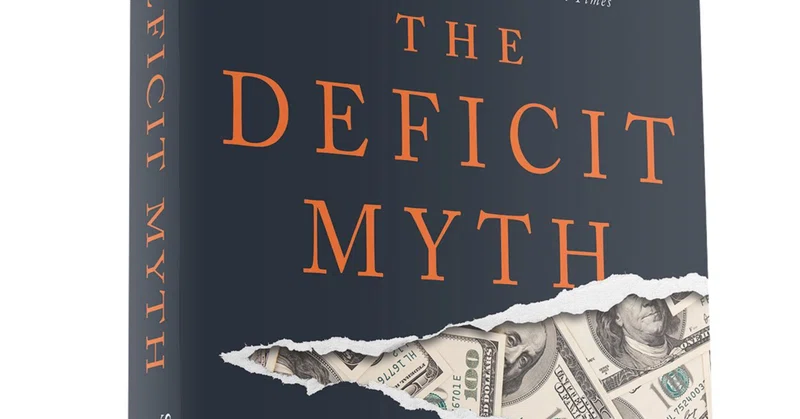
財政赤字を巡る議論に「驚くべき変化」が起きている。財政支出の主な懸念事項であった債務がインフレに取って代わったのだ。「それは微細な変化だが、大きな結果をもたらす。それは経済政策における支配的なパラダイムとして、政治経済学への革命的なアプローチである現代貨幣理論(MMT)の台頭を促進する。」
アメリカではバイデン政権の経済支援策を巡って、政治家や経済学者たちの間で激しい論争が続いています。経済政策を議論をする上で必ず議題に上がるのが財政論ですが、今アメリカでは財政赤字の議論に「変化」が生じています。この「変化」は、日本のそれはそれはレベルの低い(とされる?)議論を健全な方向に導く上での一つの目標となるかもしれません。
そして目下の政策論争に大きな影響を与えているのが言うまでもなく「現代貨幣理論(Modern Monetary Theory: MMT)です。この MMTがもたらしたとされる「変化」について、Salonという雑誌が、『ようこそ、現代貨幣理論(MMT)の時代へ』(3月20日付)という記事を載せています。(原文:https://www.salon.com/2021/03/20/welcome-to-the-age-of-modern-monetary-theory-its-turning-conventional-economics-upside-down/)
財政赤字を巡る議論に「驚くべき変化」が起きている。財政支出の主な懸念事項であった債務がインフレに取って代わったのだ。「それは微細な変化だが、大きな結果をもたらす。それは経済政策における支配的なパラダイムとして、政治経済学への革命的なアプローチである現代貨幣理論(MMT)の台頭を促進する。」
これは、アメリカの政策議論が純粋な金額上の数字へ執着から脱却しつつあることを示しています。
巨額の財政赤字に対するMMT論者の楽観さは、国債への執着が別の金本位制と固定通貨制度の時代の遺物であるという理解から生まれている。今日、国家主権と変動相場制の時代において、米国のような国々は、単純なキーストロークであらゆる財政的義務を果たすことができる。
MMTのゴーグルを通して見ると、正統派経済学の教義は頭からひっくり返る。財政赤字は人道的な公共投資と映る一方、財政黒字は惨劇となり、経済からお金を吸い上げると非難される。
この『素晴らしい新世界』(訳註:A・ハクスリーの小説のタイトル)では、通貨主権国が大規模な財政赤字の運営を拒否することは、残酷で非効率的であるとみなされる。
MMTer自身は「MMTのレンズ」という言い方を好んで用いますが、何にせよMMTを通じて財政を理解すると視点が180度逆転するということを表しています。とはいえ、ご存知のようにMMTは肝心の経済学者たちからは猛批判を(それも大抵は誤解や曲解に基づいた批判を)浴びせられています。主流派の経済学者たちは最終的にMMTを認めるようになるだろうか?これについて記事では以下のように指摘します。
「これまでの経済学のパラダイムシフトから判断すると、経済学者間のコンセンサスは、新しい理論が台頭するための前提条件ではない。歴史的に、経済理論が新しいパラダイムになるための重要な要件、つまり象牙の塔から権力の殿堂へと飛躍するための重要な要件は、経済危機に対処すると同時に緊急の政治的需要を満たすことである。
J・M・ケインズの仕事は大恐慌の経済危機の最中で始まり、ルーズベルトのニューディール政策の政治的要求に応えた。その後、1970年代にケインズ主義が衰退するにつれ、M・フリードマンのマネタリズムとA・ラッファーの財政政策は暴走するインフレの危機に直面し、レーガン時代の政策に経済的正当性をもたらした。
それが良い政策であろうとなかろうと、MMTは経済危機と政治的必要性が同時に生じている瞬間に立ち会っている。それは、コロナによって引き起こされた経済的災害を和らげる大規模な財政赤字を正当化し、バイデン政権の野心的な政策に符合している。」
つまり、MMTがマクロ経済学において支配的な理論となるかどうかは、エコノミスト達の議論の結末ではなく、政策として応用され現実の危機に対処できたか否かが鍵となる。一方で、主流派の経済学の権威が失墜しているのは、MMTerが経済学者たちを言い負かしたからではなく、金融危機や感染症の衛生災害といった深刻な危機に対応できず、惨めな失敗を繰り返して来たからに他ならない。
皮肉なことに、MMTへの道はトランプ政権の間に拓かれた。トランプの減税プランは数兆ドルの財政赤字をもたらすという議会予算局の予測に対し、保守派が債務への懸念が誇張されているのではないかと示唆し始めたとき、財政赤字の議論の次元はシフトしたのだ。
その後、新型コロナによるパンデミックが発生した。トランプは数兆ドルを費やした。バイデンも数兆ドルを費やした。国の債務は28兆ドルを超えた。そして先週、議会予算局は2051年前に債務が倍増すると予測した。
バイデン大統領の経済チームは、MMTの信奉者としてワシントンDCにやって来たわけではないかもしれないが、彼らはその最大の実践者としてワシントンを去るだろう。彼らに選択の余地はないのだから。
この最後の部分は面白いことを言っていて、トランプの減税とコロナ禍で起きた議論の変化によって、バイデンの政策担当者達は意図せずして、MMTがその正当性を担保するような政策を実践するだろうと述べているのですね。
変革的な法案を可決するには、民主党員が最終的に債務を恐れないようになることが必須の要件だ。 40年間にわたって、保守派はプログレッシブ派の野心的政策を抑えるために国債の懸念を高めてきた。M・フリードマンがレーガン大統領の減税(1981年)は失敗することはないと助言したことは有名な話だ。結局のところ、歳出削減が自分たちの利益にならない場合、保守派は多額の国債を発行することで、リベラルな政策を拡大することが政治的に不可能にするのだ。
フリードマンは正しかったーーそして全世代の民主党員が彼の罠にハマり、セーフティネットを拡大することができず、またそれらを維持することに幾度となく失敗したのだ。MMTはバイデンにレーガン時代の債務の罠から抜け出すチャンスを与えている。そしてバイデンは間違いなくその機会を逃さないだろう。
「債務を恐れないようになること」ーーまさに政策を実践する側の財政観・経済観を変え、政府債務(そもそも「債務」とは言えないのですが)の増加を恐れず、国民の生活と安全を守るための政策に財政のツールを最大限活用するよう私たちが導いていくことが今最も大事なことと言えるでしょう。(了)
Welcome to the age of Modern Monetary Theory: It's turning conventional economics upside down
Who cares about the deficit? Biden's advisers embrace a hot new economic theory — whether they meant to or not
Congress has authorized $6 trillion in deficit spending to defeat the coronavirus. That's more than the United States spent fighting World War II, when $4 trillion of government spending released the country from the clutches of the Great Depression.
Naturally, politicians and pundits debate whether the amount is excessive. But implicit in their seemingly routine deficit debate is a remarkable shift: Inflation has replaced debt — the old stalking horse for defeating progressive legislation — as the primary concern with deficit spending.
It's a subtle change, with profound consequences. And it augurs the rise of a revolutionary approach to political economy, Modern Monetary Theory (MMT), as the dominant paradigm in the politics of money.
Like Keynesians of yesteryear, Modern Monetary Theorists urge government to achieve full employment through fiscal policy, even when it requires deficit spending. Their comfort with large deficits emerges from an understanding that an obsession with national debt is a relic of another time, the age of gold standards and fixed currency arrangements. Today, in the age of national monetary sovereignty and free-floating currencies, countries like the United States can fulfill all financial obligations with a simple keystroke.
Still, MMT economists don't exactly scoff at deficits. Their point is that inflation, rather than rising national debt, is the best indicator of whether deficits are too large. Short of extreme inflation, MMT encourages policymakers to juice the economy through government spending. Seen through MMT goggles, a tenet of economic orthodoxy is flipped on its head: Deficits appear as virtuous public investments, while surpluses become scourges, condemned for sucking money out of the economy.

In this brave new world, the refusal of monetary sovereigns to run substantial deficits seems cruel and inefficient. According to MMT economist Stephanie Kelton, deficit spending can and should continue while additional spending can be absorbed by an economy's productive resources. When overspending does cause inflation, the MMT remedy is to remove money from circulation through progressive taxation, rather than by reducing spending and sacrificing the poor to unemployment.
To be clear, there are legitimate critiques of MMT, even among left-leaning economists. Yet judging by the ascent of previous economic paradigms, consensus among economists is not prerequisite in the rise to power of new theories. Historically, the critical requirement for an economic theory to become paradigmatic — meaning, to leap from the ivory tower to the halls of power — is that it simultaneously responds to economic crises and meets urgent political needs.
The work of John Maynard Keynes entered amid the economic crisis of the Great Depression and met the political demands of Roosevelt's New Deal. Later, as Keynesianism faltered in the 1970s, the monetarism of Milton Friedman and the fiscal policy of Arthur Laffer met the crisis of runaway inflation and provided economic legitimacy to the political agenda of the Reagan era.
Good policy or not, MMT enters during a similar moment of economic crisis and political need. It legitimizes large deficits that soften the economic disaster wrought by COVID-19 and it meets the ambitious political agenda of the Biden administration.
Ironically, the path to MMT was opened during the Trump administration. The terrain of deficit debates shifted when — in response to Congressional Budget Office projections of trillion-dollar deficits from Trump's tax plan — conservatives began to hint that maybe concern over debt was overblown.
Then the global pandemic hit. Trump spent trillions. Biden spent trillions. The national debt surpassed $28 trillion. And last week the Congressional Budget Office projected a doubling of the debt before 2051.
All this as the Biden administration prepares its multi-trillion-dollar infrastructure proposal and its plans to make various anti-poverty stipulations of the stimulus bill into permanent programs.
President Biden's economic team may not have arrived in D.C. as MMT acolytes, but they will leave as its greatest practitioners. They don't have a choice.
Deficits will not disappear by repealing Trump's tax cuts. Neither will a path to budget surplus be blazed by Treasury Secretary Janet Yellen's proposed global minimum tax. Even a wealth tax is not certain to rid the country of deficits, much less retire the debt.
Deficit spending is here to stay. Passing transformative legislation requires that Democrats finally become unafraid of debt. For 40 years, conservatives have raised the specter of national debt to stifle progressive ambitions. Milton Friedman famously advised that President Reagan's 1981 tax cut couldn't fail. After all, if the cuts didn't pay for themselves, they would create a national debt so large that expanding liberal government programs would become politically impossible.
Friedman was right — and an entire generation of Democrats were caught in his trap, unable to expand safety net programs, and often failing even to maintain them. Modern Monetary Theory gives Biden an opportunity to break free from the Reagan-era debt trap. You can bet he'll take it.

0 件のコメント:
コメントを投稿