BIとJGP
穴の開いたバケツに水を溜めたい時
穴が空いたまま水を入れるか?
穴を直してから水を入れる
BIの前にJGPが必要だ
By business reporter Gareth Hutchens
,
20200716
Theresa May famously said there is no "magic money tree", but MMT theorists say she is wrong.(ABC News: Alistair Kroie)
テリーザ・メアリー・メイは、イギリスの政治家。イギリス首相。名は「ティリーザ」と発音・表記されることもある。旧姓はブレイジャー。 庶民院議員、枢密顧問官、内務大臣などを歴任。マーガレット・サッチャーに続く、イギリスで2人目の女性の保守党党首かつ首相を務めた。 ウィキペディア
金のなる木は負債性の認識がないから実はMMTでも批判的
ヘリマネもそう
P.デビッドソンもそうした認識(負債性ではなく労働者が生産不可能な商品という認識)
金のなる木は負債性の認識がないから実はMMTでも批判的
ヘリマネもそう
P.デビッドソンもそうした認識(負債性ではなく労働者が生産不可能な商品という認識)
IMCU ポール・デヴィッドソン(Paul Davidson、1930~)
ジョブギャランティとは具体的にどのようなものなのでしょうか?
雇用保証はMMTの中心的な要素です。
MMTのエコノミストは、国が仕事を希望するすべての人に仕事があるようにすべきだと言っています。
なぜか? 失業は社会的に破壊的で無駄が多いからだ。
1945年から1975年までの間、完全雇用はオーストラリアの国家経済計画の公式な一部であり、連邦政府はそれを確保する義務があると感じていた。
しかし、1970年代半ばに完全雇用は放棄された。 それに代わって、いわゆる「自然率」と呼ばれる失業率が受け入れられるようになったのである。
完全雇用」ではない場合
準備銀行の目標の一つに完全雇用がありますが、その目標が設定された時には、今日とは全く異なる意味を持っていました。
MMTの経済学者は、雇用保証のアイデアは過激ではないと言う。 仕事を得るための基本的人権は、国連人権宣言の第23条や、フランクリン・D・ルーズベルト元アメリカ大統領の経済的権利章典の呼びかけに概説されている。
オーストラリアの経済学教授ビル・ミッチェルは、MMTの創設者の一人であり、雇用保証のアイデアの発案者の一人である。
ミッチェル氏は、1970年にオーストラリア政府が導入した「羊毛床価格制度」のように機能するだろうと述べている。
ウールフロア・プライス制度は、農家の収入を安定させるために利用されていたもので、毎年の羊毛の価格を安定させることで、農家が収穫後に市場に出荷できる羊毛の量にかかわらず、羊毛の価格を安定させることができました。
この制度では、オーストラリアン・ウール・コーポレーション(Australian Wool Corporation)が、需要が少ない時にはオークション市場から羊毛のストックを購入し、需要が多い時にはそれを販売することで、羊毛の価格を安定させていました。
供給、戦略的貯蔵、需要のサイクルを矢印で示した羊毛小屋のイラスト。
オーストラリアの政府が需要と供給の不均衡をスムーズにするために羊毛を貯蔵していたのと同じように、MMT理論家のビル・ミッチェルは、政府は労働市場の不均衡をスムーズにすることができると主張している。 (ABC News: Alistair Kroie)
"需要が少ない時には『バッファ・ウール・ストック』を保有し、需要が多い時には再び放出する準備をしておくことで、政府は安定した価格で農家の収入を保証することができました」とミッチェル氏は説明しています。
オーストラリアの都市や町の波止場近くにある古い赤レンガの羊毛小屋をご存知でしょうか?
その多くはアパートやオフィスになっています。 しかし、そこにはかつてウールフロア・プライス・スキームの下で余った羊毛が保管されていたのです。
雇用保証制度は、羊毛小屋woolshedsと同じように機能するだろう。
不況時にはより多くの人を雇用し、好況時にはより少ない人を雇用することで、経済の「自動安定化装置」の役割を果たすことになる。
不況時には、仕事を失った余剰労働者を吸収し、所得が生活賃金を下回るのを防ぐために、仕事を希望する人に仕事を提供する。
ミッチェル氏によると、MMT政策の枠組みを採用した経済では、ジョブギャランティは「バッファ雇用率(BER)」を生み出すだろうという。
雇用保証はどのように機能するのだろうか?
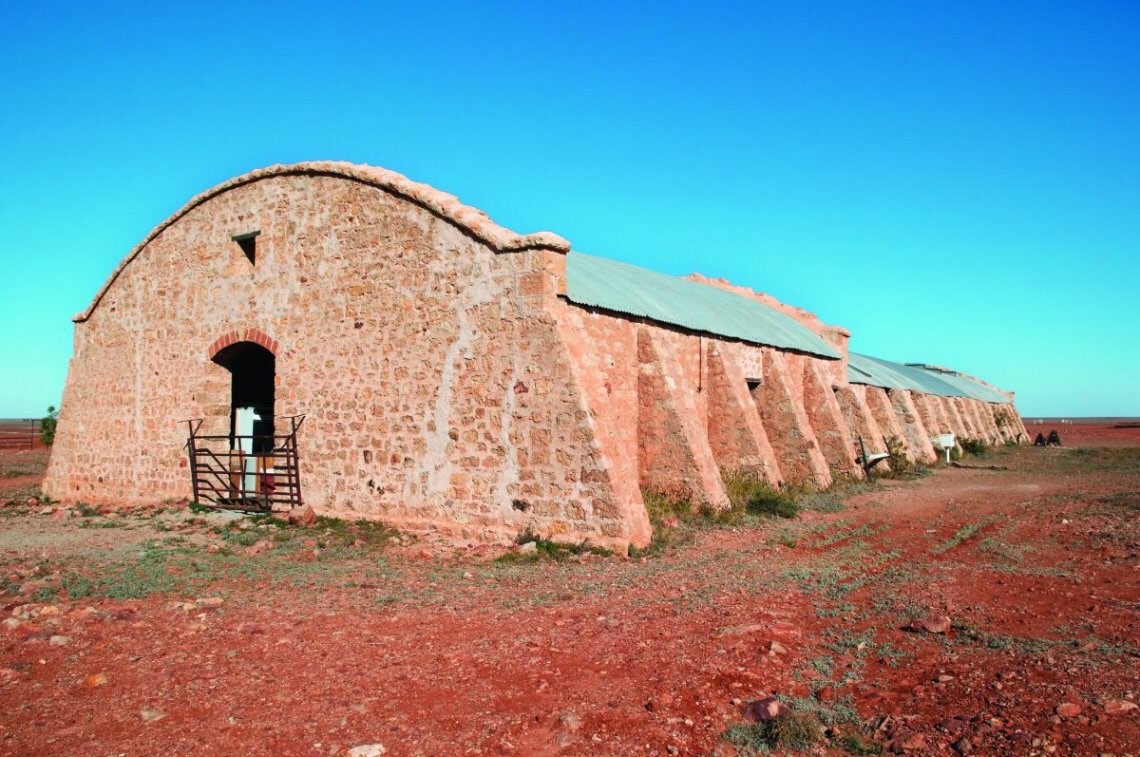
The woolshed at Cordillo Downs Station. © AAP Image

Newcastle wool sheds 1st June 1973.
— helping to keep wool prices stable.

★
763 金持ち名無しさん、貧乏名無しさん (ワッチョイ b1c9-g+cU)[sage] 2020/07/17(金) 17:30:18.03 ID:SlkvMAMI0
>>762
仕事の保証とは正確には何ですか?
ジョブ保証はMMTの中心的なコンポーネントです。
MMTエコノミストは、政府は仕事をしたい人は誰でも仕事ができるようにするべきだと言っています。
どうして?失業は社会的に破壊的で無駄なものだからです。
彼らは「完全雇用」はオーストラリアで使われていたように国家の優先事項であるべきだと言います。1945年から1975年まで、完全雇用は
オーストラリアの国家経済プログラムの公式の一部であり、連邦政府はそれを保証する義務を感じました。
しかし、1970年代半ばには完全雇用は放棄された。代わりに、いわゆる「自然失業率」の受け入れが採用されました。これは、失業率が
約4?5%と想定されています。
MMTエコノミストは、仕事の保証という考えは過激ではないと述べています。仕事に対する基本的な人権は、国連人権宣言の第23条と、
元米国大統領フランクリンDルーズベルトの経済的権利法案の要求に概説されています。
764 金持ち名無しさん、貧乏名無しさん (ワッチョイ b1c9-g+cU)[sage] 2020/07/17(金) 17:30:31.54 ID:SlkvMAMI0
>>763
オーストラリアの経済学教授であるビルミッチェルは、MMTの創設者の1人であり、就職保証の発案者の1人です。
ミッチェル氏は、1970年にオーストラリア政府によって導入された「ウールフロアプライススキーム」のように機能すると述べています。
羊毛の最低価格スキームは、農家が各クリップの後に市場に届けることができる羊毛の量に関係なく、毎年羊毛の安定した価格を保証す
ることにより、農家の収入を安定させるために使用されました。
このシステムの下で、オーストラリアンウールコーポレーションは、需要が低いときにオークション市場からウールの株を購入し、需要が高いときに
それらを販売することで、ウールの価格を安定させることができました。
オーストラリアの政府が供給と需要の不均衡をなくすために羊毛を保管していたのと同じように、MMTの理論家であるビルミッチェルは、政府が
労働市場の不均衡をなくすことができると主張しています。(ABCニュース:Alistair Kroie )
ミッチェル氏はまた、「需要の低い時期には「バッファーウールストック」を保有し、需要の高い時期には再び解放する準備を整えておくことで、
農民の収入を安定した価格で保証することができた」と説明した。
オーストラリアの都市や町の埠頭の近くにある古い赤レンガの羊飼いに気づきましたか?
多くはアパートやオフィスになっています。しかし、そこでは、ウールの余剰在庫がウールの最低価格スキームの下で維持されていました。
仕事の保証プログラムは羊毛小屋と同様に機能します。
景気後退時にはより多くの人を雇用し、ブーム時にはより少ない人を雇用することで、経済の「自動安定装置」の役割を果たすでしょう。
景気後退時には、希望する人に仕事を提供し、仕事を失った余剰労働者を吸収し、収入が生活賃金を下回るのを防ぐのに役立ちます。
ミッチェル氏は、MMT政策の枠組みを採用した経済では、雇用保証は「バッファ雇用率(BER)」を生み出すと述べています。これは、雇用
主が雇用全体に占める割合であり、経済学者がインフレ圧力と経済の能力に目を離さないでください。
仕事の保証はどのように機能しますか?
765 金持ち名無しさん、貧乏名無しさん (ワッチョイ b1c9-g+cU)[sage] 2020/07/17(金) 17:31:34.10 ID:SlkvMAMI0
>>764
MMTの主な人物は誰ですか?
主な性格の一部は次のとおりです。
ニューカッスル大学の経済学名誉教授であり、完全雇用と資本センターのセンター長であるビル・ミッチェル
Lランドールレイ、米国バードカレッジの経済学教授、およびレビー経済研究所の上級学者
ミズーリ大学カンザスシティ校の完全雇用と価格安定センターのエコノミスト兼共同創設者、ウォーレンモスラー
マーティンワッツ、ニューカッスル大学名誉教授、完全雇用と資本センターのリサーチアソシエイト
ステファニーケルトン、ストーニーブルック大学の経済学教授、元民主党上院議員バーニーサンダースの元経済学顧問
スティーブン・ヘイル、アデレード大学の経済学教授
836 金持ち名無しさん、貧乏名無しさん (ササクッテロレ Sp75-LWbW)[sage] 2020/07/18(土) 23:43:21.50 ID:cfO91Jekp
>>764
https://www.deepl.com/translator による別訳 (まるまるセンテンスが抜ける時があるらしい)
オーストラリアの経済学教授ビル・ミッチェルは、MMTの創設者の一人であり、雇用保証のアイデアの
発案者の一人である。
ミッチェル氏は、1970年にオーストラリア政府が導入した「羊毛床価格制度」のように機能するだろう
と述べている。
ウールフロア・プライス制度は、農家の収入を安定させるために利用されていたもので、毎年の羊毛の
価格を安定させることで、農家が収穫後に市場に出荷できる羊毛の量にかかわらず、羊毛の価格を安定
させることができました。
この制度では、オーストラリアン・ウール・コーポレーション(Australian Wool Corporation)が、
需要が少ない時にはオークション市場から羊毛のストックを購入し、需要が多い時にはそれを販売する
ことで、羊毛の価格を安定させていました。
https://www.abc.net.au/cm/rimage/12464230-4x3-xlarge.jpg
…
"需要が少ない時には『バッファ・ウール・ストック』を保有し、需要が多い時には再び放出する準備を
しておくことで、政府は安定した価格で農家の収入を保証することができました」とミッチェル氏は
説明しています。
オーストラリアの都市や町の波止場近くにある古い赤レンガの羊毛小屋をご存知でしょうか?
その多くはアパートやオフィスになっています。 しかし、そこにはかつてウールフロア・プライス・
スキームの下で余った羊毛が保管されていたのです。
雇用保証制度は、羊毛牧場と同じように機能するだろう。
不況時にはより多くの人を雇用し、
好況時にはより少ない人を雇用することで、経済の「自動安定化装置」の役割を果たすことになる。
不況時には、仕事を失った余剰労働者を吸収し、所得が生活賃金を下回るのを防ぐために、仕事を希望
する人に仕事を提供する。
ミッチェル氏によると、MMT政策の枠組みを採用した経済では、ジョブギャランティは「バッファ
雇用率(BER)」を生み出すだろうという。
雇用保証はどのように機能するのだろうか?
Modern Monetary Theory: How MMT is challenging the economic establishment - ABC News
We may be on the cusp of a revolution.
What if everything we thought we knew about public finance over the past 40 years has been wrong?
A new economic theory has emerged that could rewrite our understanding of how governments create and spend money and what type of society we can afford to build.
And if it is correct, people may be furious.
Because it could show that Australia's political elite can afford to spend far more than they are on public health and education, social housing, scientific research and green energy schemes, while eliminating unemployment.
And yet they're not — either from a misunderstanding of government finances or because they don't want to.
However, to embrace this radical economic theory you will have to forget what you've learned about budget deficits (that they're bad) and government debt (that it burdens future generations).
Why?
Because proponents of the theory say that far from being a problem, budget deficits are often a good thing — they can be the source of healthy economic growth.

They argue a country like Australia that controls its own currency doesn't need to tax or borrow before its national government can spend money — the government can create all the money it needs to fund itself … within limits.
It all sounds too good to be true, which is why critics warn the theory is naive, simplistic and potentially dangerous.
But supporters of the theory — who are growing in number — say many of the world's problems today (extreme wealth inequality, poorly funded public hospitals and schools, chronic underemployment, stagnant wages) are a consequence of misunderstanding government financing.
They say macroeconomic theory — which looks at the bigger picture of how the national economy works — has got too many major questions wrong.
So what are we talking about? Let's take a closer look.
MMT is challenging the orthodoxy
The theory is called Modern Monetary Theory (MMT).
It is challenging the neoliberal economic orthodoxy that has dominated policymaking in Australia, the United States, the United Kingdom and many other countries since the mid-1970s.
The reigning orthodoxy assumes a couple of things.
Firstly, it assumes every country has a "natural rate" of unemployment and it's unwise to try to force the jobless rate below the natural level because inflation (and wages) will rise too quickly. Therefore, it assumes it's better to accept a certain amount of unemployment to keep prices stable (and to keep wage demands weak).

At the moment, Australia's natural rate of unemployment is assumed to be somewhere between 4 and 5 per cent.
Secondly, the economic orthodoxy holds that the national government needs to collect taxes, or borrow from savers, before it can spend money.
Politicians repeat this point incessantly.
When you hear a politician saying the government must "live within its means," what they're really saying is the government mustn't spend more than it collects in taxes or borrowings.
However, MMT economists want to turn these orthodoxies on their head, among others.
What is MMT?
MMT is a school of economic thought and a political project (more on this later).
Its proponents are not shy about their intentions to shake up the establishment.
The people who developed it have been working on the body of theory for decades, quietly, in countries such as Australia and the United States, but their ideas have recently burst out into the open as global leaders search for fresh ideas to deal with the unprecedented economic crisis of 2020, and the lingering effects of the global financial crisis in 2008-09.
MMT economists make several claims:
Firstly, they say we've been thinking about budget deficits incorrectly.
They say budget deficits are not always bad. In fact, deficits are often necessary and beneficial. A budget deficit is merely evidence of extra government spending, and government spending boosts the wealth of private sector businesses and households.
They say it depends what deficit spending is used for. Increasing the deficit to finance a war is not the same thing as increasing the deficit to build more hospitals and schools.
They argue investments that will enhance productivity through better health, greater knowledge and skills, improved transport and the like are worth funding, even if it results in a budget deficit.
Secondly, MMT economists say we've been thinking about government spending incorrectly.
They say the argument (promoted famously by British prime minister Margaret Thatcher) that national governments must tax or borrow before they can spend is wrong.
MMT argues it's the other way around — national governments have to spend money into the economy before they can tax or borrow. Government spending actually precedes taxation.
Accepting this proposition is key to embracing MMT.
Thirdly, they say taxes are necessary, but not for the reasons you may think.
They say government taxes can be used to keep inflation under control, to control our behaviour (via fees and levies and rates), and to get us to produce things the government needs.
MMT economists draw on the ideas of chartalism to make this last point. They say governments use taxes to create demand for their own currency — that is, if a citizen has to pay tax then they're going to have to work to earn the currency to pay the tax in that currency.
Essentially, governments use taxes to put everyone to work.
"At the end of the day, a currency-issuing government wants something real, not something monetary," writes Professor Stephanie Kelton, one of the highest-profile MMT economists and a senior adviser to Bernie Sanders in both his 2016 and 2020 Democratic presidential primary campaigns.
"To get us to produce things for the state, the government invents taxes or other kinds of payment obligations."
Fourthly, MMT economists say countries that issue their own fiat currency can afford to buy anything that's available for sale in their own currency, and they can never go bankrupt in their own currency.
"Fiat" money is government-issued currency that isn't backed by any commodity, such as gold. It's paper or digital money that has no intrinsic value. We'll return to this point later too.
Fifthly, MMT economists say "full employment" is not only possible, it's a moral imperative. Anyone who wants a job should have one.
They say we must prioritise genuine full employment and governments should spend whatever is necessary to achieve it — no matter the debt or deficit.
Sixthly, MMT economists say the national government should run a permanent "Job Guarantee" (JG) program to provide a job to everyone who wants one.
They say it could be linked to other economic and social programs, such as a "Green New Deal" — a policy advocated by MMT proponents linked to the US Democratic senator Bernie Sanders, to create jobs by shifting to zero-emissions technologies.
Which countries could MMT apply to?
MMT's principles couldn't be applied everywhere immediately.
MMT economists say they're specifically talking about countries with floating exchange rates that issue their own fiat currencies — countries like Australia, Japan, the UK, Canada and the United States.
The theory couldn't be applied as easily in European Union nations, for example, because those countries have ceded currency sovereignty by all agreeing to use the same currency, the euro.
There would be many hurdles to jump for MMT principles to work in the EU.
What's so special about fiat currencies?
MMT's theorists say world leaders still haven't come to terms with the demise of the Bretton Woods monetary system in 1971.
During that era (1945 to 1971), certain currencies were pegged at agreed fixed rates against the US dollar, and the US dollar was supposed to be backed by gold reserves so it could be exchanged on demand for a fixed amount of gold held by the US government.
But that system was abolished by US president Richard Nixon in 1971 when the US admitted it did not have enough gold to back its currency.

After that, the US and other major sovereign currency issuers (including Australia) adopted "fiat" currencies — currencies with no intrinsic value, that aren't backed by gold — with floating exchange rates.
MMT economists say this is significant because it means those countries (such as Australia, the US, Canada, the UK, Japan) no longer have to fear a shortage of gold, and that leaves them free to print as much money as they need to fully employ their "real" resources — workers, factories, machines, raw materials — within limits.
That insight is not new, nor particularly radical.
In a speech in 1997, then-US federal reserve chairman Alan Greenspan said central banks in the modern era could issue currency without limit.
"When there is confidence in the integrity of government, monetary authorities — the central bank and the finance ministry — can issue unlimited claims denominated in their own currencies and can guarantee, or stand ready to guarantee, the obligations of private issuers as they see fit," Greenspan said.

MMT economists say the reality of this situation seems to have been forgotten, but policymakers should remember it.
Does MMT apply to all levels of government?
No.
MMT only applies to the national government level, because that's the level of government with the power to issue the sovereign currency.
Local governments must behave like households when making spending decisions because they're currency users, not currency issuers like the national government.
What exactly is the Job Guarantee?
The Job Guarantee is a central component of MMT.
MMT economists say the national government should ensure that everyone who wants a job has a job.
Why? Because unemployment is socially destructive and wasteful.
They say "full employment" should be a national priority, like it used to be in Australia: between 1945 and 1975, full employment was an official part of Australia's national economic program, and the Federal Government felt obliged to ensure it.
However, full employment was abandoned in the mid-1970s. It was replaced by an acceptance of the so-called "natural rate" of unemployment, which is assumed to be around 4 or 5 per cent unemployment.
MMT economists say the idea of a job guarantee is not radical. The basic human right to a job is outlined in Article 23 of the UN Declaration of Human Rights and in former US president Franklin D Roosevelt's call for an economic bill of rights.
Australian economics professor Bill Mitchell is one of the founders of MMT and one of the originators of the Job Guarantee idea.
Mitchell says it would work like the "Wool Floor Price Scheme" introduced by Australia's government in 1970.
The Wool Floor Price Scheme was used to stabilise the incomes of farmers by ensuring a steady price for wool each year, irrespective of the volume of wool farmers could deliver to the market after each clip.
Under the system, the Australian Wool Corporation would purchase stocks of wool from auction markets when demand was low and sell them when demand was high — helping to keep wool prices stable.
"By being prepared to hold 'buffer wool stocks' in times of low demand and release them again in times of high demand, the government was able to guarantee incomes for the farmers around the stable price," Mitchell has explained.
Have you noticed those old red-brick woolsheds near the wharves in Australia's cities and towns?
Many have been turned into apartments or offices. But that's where surplus wool stocks used to be kept under the wool floor price scheme.
A job guarantee program would work similarly to the woolsheds.
It would play the role of an "automatic stabiliser" in the economy by employing more people during downturns and fewer people during boom times.
In downturns, it would provide jobs for whoever wanted one — soaking up surplus workers who had lost their jobs — helping to prevent incomes falling below a living wage.
Mitchell says in an economy that adopted the MMT policy framework, the Job Guarantee would give rise to a "Buffer Employment Ratio (BER)," which is the ratio of Job Guarantee employment to total employment, which economists could use to track inflationary pressures and keep their eye on the capacity of the economy.
How would the Job Guarantee work?
Advocates say the job guarantee program should be federally funded, but administered at the local level by municipal governments, non-profits and social enterprises.

Professor Kelton, who has written a best-seller on MMT called The Deficit Myth, sees it working this way:
"Because the job guarantee allows workers to transition into alternative employment rather than joining the ranks of the unemployed, the program helps to cushion the overall economy by supporting wages and preserving (or enhancing) skills until the economy recovers and workers begin to transition back into private sector jobs," she writes.
"The federal government guarantees the financing, establishes the broad parameters that define the types of jobs the program aims to support, and provides oversight to ensure compliance and accountability.
"Virtually everything else is handled in a decentralised way, bringing decision-making as close as possible to the people and communities who will benefit most directly from the tasks that will be performed."
Kelton says the job guarantee isn't about creating any old job.
"This isn't a make-work scheme, aimed simply at giving the unemployed a shovel in order to justify paying them a wage," she writes.
MMT economists argue there is no financial constraint on the amount a government should spend to achieve full employment, so the deficit should be set at whatever level is necessary.
What does MMT think of universal basic income?
Unlike a Job Guarantee, where only those who work get paid, a universal basic income would see the government pay everybody a modest amount with no strings attached.
Advocates of the UBI say it would reduce or eliminate the bureaucracy around welfare and government work programs and, if set high enough, would provide everyone with a basic income safety net to avoid poverty.
People could then choose to top up that very modest lifestyle through paid work, or live off the UBI while doing volunteer work, social and community activities, artistic pursuits or other unpaid work such as caring responsibilities.
However, MMT advocates don't like the idea of a UBI.
They say the Job Guarantee idea is superior to universal basic income because of the economic and social function it provides — a JG would supply everyone with a job, which is socially beneficial, and JG workers could be used as a "buffer stock" against inflationary pressures (while still providing everyone with a job).
MMT's view of budget deficits
This area of MMT attracts much criticism (and misunderstanding).
According to MMT economists, we've been thinking about government spending and budget deficits the wrong way.
They say Margaret Thatcher's dictum that federal governments must tax or borrow before they can spend is fundamentally wrong, and it's the other way around — federal governments have to spend money into the economy before they can tax or borrow.

It's a crucial point.
They say when Thatcher argued that government finances were constrained in the same way as household budgets, she committed the "household fallacy" — and that fallacy has had a deleterious impact on politics and society.
They say national governments are not the same as households — national governments have the power to print money and impose taxes, households don't.
Thatcher wasn't comparing apples with apples.
They argue another former British Conservative prime minister, Theresa May, made the same mistake when she told a nurse that wages for British nurses hadn't increased for years because the UK government didn't have a "magic money tree."
MMT economists say the "household fallacy" leads to socially destructive outcomes.
Why? Because it makes politicians think they can't afford to spend more on socially important programs until they "find the money" to pay for them.
According to MMT adherents, that view is misguided — because a sovereign government that issues its own currency can print as much money as it needs to pay for all the goods and services it needs in its own currency — within limits.
Mr Greenspan, again, made a similar point in 2005 when he admitted that the US Social Security system couldn't run out of cash.
"There's nothing to prevent the federal government from creating as much money as it wants and paying it to somebody," he said.
The fundamental question was whether the US economy had the ability to soak up any extra cash the government printed, he said.
What about inflation?
This is an important topic.
For many people, the thought of governments printing unlimited amounts of money conjures images of shoppers pushing wheelbarrows of cash in Weimar Germany, or the hyper-inflation of more recent times in Zimbabwe or Venezuela.
Some of MMT's critics like to draw that comparison deliberately.

But MMT economists say that's a caricature.
Why did hyperinflation occur in Zimbabwe? Because when you damage the productive capacity of an economy, as Robert Mugabe did, it can't produce the same volume of goods and services. When you have households fighting over a shrinking amount of goods, prices soar. If you start feverishly printing money in that situation, you'll make things even worse.
MMT economists say inflation would only be a problem (in a country like Australia) if the federal government spent too much money into an economy that was already running at, or close to, full capacity.
If your economy's "real resources" are underutilised — its workers, factories, machines, land and raw materials — government spending won't create concerning inflationary pressures, they argue.
They say if inflationary pressures start building, the federal government could raise taxes or reduce government spending to take money out of the economy.
Essentially, MMT asks people to look around to see how government spending works in reality.
"You've probably already seen MMT's central insights in action," Kelton writes.
"I saw them up close when I worked in the US Senate.
"But have you noticed this never seems to be a problem when it comes to expanding the defence budget, bailing out banks, or giving tax breaks to the wealthiest Americans, even when these measures significantly raise the deficit?
"As long as the votes are there, the federal government can always fund its priorities. That's how it works."
Criticisms of MMT
There are many criticisms of Modern Monetary Theory.
But at this point, it's difficult to tell how many mainstream economists are making criticisms in good faith.
MMT has ruffled lots of feathers. It's clear some orthodox economists don't want to cede territory to the upstarts. Others won't have wrapped their heads around the MMT logic yet. And there'd be some professional jealousy and rivalry behind the scenes.
However, some economists have scrutinised MMT seriously. Stephen Grenville, a former deputy governor of the RBA, being one of them.
While open to some of its ideas, he, like many other mainstream economists, argues it has fundamental flaws.
There's no free lunch: Grenville says the chief vulnerability of the MMT narrative, and where MMT economists "are a little vague, even slippery," is the MMT assumption, sometimes implicit, that budget deficits can be funded without adding to official debt.
"The government might get the cash to spend in its deficit by giving the central bank a bond in return for the cash," Grenville wrote in the Eureka Report.
"But the bond is just a government debt which it owes itself, so in the view of many MMT supporters, the bond could be deleted from the central bank balance sheet by offsetting book entries in the accounts of the government and the central bank.
"In spending the cash to implement its deficit, the government shifts the economy to full-employment … GDP has increased without either debt or interest rates rising. This seems to be 'free money'," he said.
"It's hardly surprising that this is an attractive narrative […] [but] this is clearly wrong."
Human Behaviour: A major criticism of MMT has to do with the assumptions it makes about human behaviour, particularly about the way politicians "should" behave.
Professor Kelton, in her book The Deficit Myth, says unelected central bankers shouldn't have so much control over the economy, and the responsibility for economic management should rest with elected representatives.
"We must end the cruel and inefficient practice of relying on democratically unaccountable central bankers to target the 'right mix' of inflation and unemployment," Kelton wrote.
"To build an economy for the people, responsibility for maintaining full employment and income security must become the responsibility of elected representatives of the people.
Cynics say handing that type of responsibility to politicians could be a recipe for disaster.
Would politicians have the ability to know when the economy has reached full capacity?
Would they have the backbone to raise taxes, perhaps during an election year, to keep inflationary pressures down? Would they have the discipline to stop spending?

Recent Australian history demonstrates this point, when the Howard government pressed ahead with tax cuts ahead of the 2007 election (promises matched by the Rudd opposition) even as the Reserve Bank was hiking interest rates to temper rising inflation during the mining boom.
A few years ago, the economist Thomas Palley said one problem with MMT was that it "assumes away the problem of fiscal-monetary conflict."
By that he meant MMT assumes that fiscal and monetary authorities behave as a single entity for the good of the country. Is that politically practical?
Interestingly, a former vice-chairman of the US Federal Reserve, Stanley Fisher, has suggested that responsibility for overseeing massive deficit-financing could be handed over to a central-bank-like independent committee. That type of institution could prevent uncontrolled spending by politicians (Fisher was not arguing for MMT, however).
Grenville says in an MMT context, "perhaps this all-wise committee could just set the budget deficit size, and leave it to parliament to make the hard decisions on distribution and on the size of the public sector by setting taxation rates."
Bond market vigilantes: Another concern about MMT regards how participants in bond markets, credit markets and foreign currency markets might react if a country adopted its principles.
What's to stop traders from deciding that your currency will become nearly worthless if your leaders start printing money and expanding the budget deficit, and trying to punish you accordingly? Financial market participants may take a lot of convincing.
Tax policy: According to MMT, the government could use changes in the level of taxation to control inflation. However, would the uncertainty surrounding the shifting level of taxation make it harder for businesses and households to make investment decisions?
What do MMT economists say about themselves?
They can appear to say contradictory things.
On one hand, they say MMT is not a political project, it's simply a way of looking at the world.
According to Mitchell, anyone — left or right — can view the world through an MMT framework and you can use MMT principles to pursue a leftist or rightist agenda.
On the other hand, MMT's supporters advocate for a framework that would overhaul politics. It would take the responsibility for price and employment stability away from the central bank and put it back into the hands of politicians.
The Job Guarantee idea is also a central component of MMT, and it would be the government's responsibility to run it.
What schools of economic thought does MMT draw on?
MMT has several moving parts.
The MMT project is a synthesis of economic theories, some of them decades old — so some opponents mock MMT for offering nothing new at all.
Theoretically, it draws heavily on Abba Lerner's functional finance, Wynne Godley's sectoral balances and Hyman Minsky's financial instability hypothesis (Minsky also theorised about a job guarantee).
It provides a neo-chartalist analysis of the relationships between the private banking system, the central bank and treasury. That's also where it's uncommon view of taxation comes from.
It also has a strong overlay of Keynesianism, by advocating for central governments to actively use their budget balances to manipulate macroeconomic outcomes, the key tenet of John Maynard Keynes' Depression-era policy prescriptions.
Who are the main figures in MMT?
Some of the main personalities include:
- Bill Mitchell, emeritus professor of economics at the University of Newcastle and Director of the Centre of Full Employment and Equity
- L Randall Wray, professor of economics at Bard College, United States, and senior scholar at the Levy Economics Institute
- Warren Mosler, economist and co-founder of the Centre for Full Employment and Price Stability at the University of Missouri-Kansas City
- Martin Watts, emeritus professor of economics at the University of Newcastle and a Research Associate at the Centre of Full Employment and Equity
- Stephanie Kelton, professor of economics at Stony Brook University and a former economics adviser to US Democratic senator Bernie Sanders
- Steven Hail, professor of economics at the University of Adelaide
ビジネスレポーターのガレス・ハッチェンス氏
投稿:昨日 3:56am、更新:昨日 11:01am
20200716
テレサ・メイは「魔法のお金の木」は存在しないと有名だが、MMT理論家は彼女が間違っていると言っている。
テリーザ・メアリー・メイは、イギリスの政治家。イギリス首相。名は「ティリーザ」と発音・表記されることもある。 旧姓はブレイジャー。 庶民院議員、枢密顧問官、内務大臣などを歴任。マーガレット・サッチャーに続く、イギリスで2人目の女性の保守党党首かつ首相を務めた。 ウィキペディア
金のなる木は負債性の認識がないから実はMMTでも批判的
ヘリマネもそう
P.デビッドソンもそうした認識(負債性ではなく労働者が生産不可能な商品という認識)
IMCU ポール・デヴィッドソン(Paul Davidson、1930~)。
https://nam-students.blogspot.com/2019/06/paul-davidson1930.html
ミッチェルのJGP論を詳解
https://www.abc.net.au/news/2020-07-17/what-is-modern-monetary-theory/12455806
https://medaka.5ch.net/test/read.cgi/eco/1594112608/763
https://medaka.5ch.net/test/read.cgi/eco/1594112608/764
- 羊毛の価格を安定させるのに役立っています。
供給、戦略的貯蔵、需要のサイクルを矢印で示した羊毛小屋のイラスト。
★
現代貨幣論:MMTはいかに経済の確立に挑戦しているか - ABCニュース
投稿日:昨日の午前3時56分
私たちは、革命の火蓋が切って落とされるかもしれません。
過去40年間、財政について私たちが知っていると思っていたことがすべて間違っていたとしたら?
新しい経済理論が登場し、政府がどのようにしてお金を作り、使うのか、どのような社会を作ることができるのかという私たちの理解を書き換えてしまう可能性があります。
もしそれが正しければ、人々は激怒するだろう。
なぜなら、オーストラリアの政治的エリートは、失業者を解消しながら、公衆衛生や教育、社会住宅、科学研究、グリーンエネルギー計画などに、現在よりもはるかに多くのお金を使う余裕があることを示すことができるからだ。
政府の財政を誤解しているのか、あるいは誤解したくないからなのか、彼らはそうしていないのだ。
しかし、この急進的な経済理論を受け入れるためには、これまで学んできた財政赤字(それは悪いことだということ)や政府債務(それは将来の世代に負担をかけるものだということ)を忘れなければならないだろう。
なぜか?
なぜなら、この理論の支持者は、財政赤字は問題ではなく、健全な経済成長の源になりうるという意味で、良いことが多いからです。
キャンベラの国会議事堂
財政赤字や借金をめぐる果てしない政治的な議論が、まったく意味のないものになってしまったとしたら?(Flickr: Francisco Martins)
オーストラリアのように自国通貨を管理している国では、政府がお金を使う前に税金や借金をする必要はない。
この理論はあまりにも良いように聞こえるが、だからこそ批判者たちは、この理論は甘く、単純で、潜在的に危険だと警告しているのだ。
しかし、この理論の支持者は、今日の世界の問題の多く(極端な貧富の格差、資金の乏しい公立病院や学校、慢性的な失業率、賃金の低迷)は、政府の資金調達を誤解していることの結果だと言う。
彼らは、マクロ経済理論(国民経済がどのように機能しているかという全体像を見る理論)は、あまりにも多くの主要な問題を誤解していると言う。
では、何の話をしているのだろうか。 もう少し詳しく見てみよう。
MMTは正統派に挑戦している
その理論は、現代貨幣理論(Modern Monetary Theory: MMT)と呼ばれている。
これは、1970 年代半ば以降、オーストラリア、米国、英国、その他多くの国で政策決定を支配してきた新自由主義経済の正統性に挑戦している。
現行の正統派経済学は、いくつかのことを前提としている。
第一に、どの国にも失業率の「自然率」があり、インフレ(と賃金)が急速に上昇しすぎるため、失業率を自然水準以下に強制的に引き下げようとするのは賢明ではないと仮定している。 したがって、物価を安定させるためには(賃金需要を弱く保つためにも)ある程度の失業率を受け入れた方が良いと仮定している。
センターリンクの看板の横には、人々が屋外に並んでいる。
資本主義経済が安定した状態を維持するためには失業者が必要であるという考えは、マルクスの「労働者予備軍」理論にまで遡ることができる。 (ABC News: Andrew O'Connor)
現在のところ、オーストラリアの自然失業率は4~5%とされている。
第二に、国がお金を使う前には、税金を徴収したり、貯蓄者から借り入れをしたりしなければならないというのが、経済的な正統派の考え方である。
政治家はこの点を絶え間なく繰り返している。
政治家が政府は「手段の範囲内で生活しなければならない」と言っているのを聞いて、彼らが本当に言っているのは、政府は税金や借金で集めた以上の支出をしてはならないということだ。
しかし、MMTのエコノミストたちは、これらのオーソドックスな考え方を覆そうとしている。
MMTとは何か?
MMTは経済思想の一派であり、政治的なプロジェクトである(これについては後述)。
その支持者は、既成概念を揺さぶろうとする意図を恥ずかしげもなく語っている。
MMTを開発した人々は、オーストラリアやアメリカなどの国々で数十年にわたり、ひっそりと理論の体系を作ってきたが、2020年の未曾有の経済危機や2008-09年の世界金融危機の影響が残る中で、世界の指導者たちが新たなアイデアを模索している中で、彼らのアイデアが最近になって、表に出てきたのである。
www.DeepL.com/Translator(無料版)で翻訳しました。
MMTとは何か?
MMTは経済思想の一派であり、政治的なプロジェクトである(これについては後述)。
その支持者は、既成概念を揺さぶる意図を恥ずかしげもなく持っている。
MMTを開発した人々は、オーストラリアや米国などの国々で数十年にわたり、ひっそりと理論の体をなしてきたが、2020年の未曾有の経済危機や2008-09年の世界的な金融危機の余韻に対処するために、世界の指導者たちが新鮮なアイデアを模索している中で、彼らのアイデアが最近になって表に出てきたのである。
MMTのエコノミストはいくつかの主張をしている。
第一に、我々は財政赤字について間違った考え方をしてきたと言う。
彼らは、財政赤字は常に悪いものではないと言う。 実際には、赤字はしばしば必要であり、有益なものである。 財政赤字は政府支出が余っている証拠に過ぎず、政府支出は民間企業や家計の富を押し上げている。
これが今の国に必要なことなのだろうか?
オーストラリアは事実上、バランスのとれた予算を計上していますが、エコノミストは、赤字と政府支出の増加が実際に経済が必要としているものであると述べています、デイビッド・テイラーは書いています。
続きを読む
赤字支出が何に使われるかによるという。 戦争資金のために赤字を増やすことと、病院や学校を増やすために赤字を増やすことは同じことではない。
健康増進、知識と技術の向上、交通機関の改善など生産性の向上につながる投資は、たとえ財政赤字になったとしても資金を提供する価値があると主張している。
第二に、MMTのエコノミストたちは、我々は政府支出について間違った考えを持っていると言う。
彼らは、(イギリスのマーガレット・サッチャー首相が有名に推進した)国の政府が支出をする前に税金や借金をしなければならないという議論は間違っていると言う。
MMTは逆だと主張している。政府は税金や借金をする前に経済にお金を使わなければならない。 政府の支出は、実際には課税よりも先に行われる。
この命題を受け入れることが、MMTを受け入れるための鍵となる。
第三に、彼らは税金は必要だと言うが、あなたが考えるような理由ではない。
彼らは、政府の税金はインフレを抑制し、私たちの行動をコントロールし(手数料や課徴金、税率を介して)、政府が必要とするものを私たちに生産させるために使うことができると言っている。
MMTのエコノミストたちは、この最後のポイントを作るために、チャートリズムの考え方を利用している。 つまり、国民が税金を払わなければならない場合、その通貨で税金を支払うために、その通貨を稼ぐために働かなければならないのだ。
本質的には、政府は税金を使ってみんなを働かせているのです。
"結局のところ、通貨を発行する政府は、貨幣的なものではなく、実質的なものを求めているのだ」と、MMTの経済学者であり、2016年と2020年の民主党大統領選挙キャンペーンでバーニー・サンダースの上級顧問を務めたステファニー・ケルトン教授は書いている。
"政府が望んでいるのは私たちの税金ではありません。 我々の時間だ
"国家のために物を生産させるために 政府は税金や他の種類の支払い義務を 発明している"
第四に、国民党のエコノミストは、自国の不換紙幣を発行している国は、自国の通貨で買えるものは何でも買えるし、自国の通貨で破産することもないと言っています。
"フィアットマネーとは、金などの商品に裏付けされていない政府発行の通貨のことだ。 それは、本質的な価値を持たない紙やデジタルマネーなのだ。 この点についても後ほど戻ります。
Youtube MMT解説動画
第五に、MMTの経済学者は、「完全雇用」は可能なだけではなく、道徳的な義務だと言っている。 仕事が欲しい人は誰でも仕事を持つべきである。
彼らは、真の完全雇用を優先しなければならず、政府はそれを達成するために必要なものは何でも使うべきだと言う。
第六に、国民党のエコノミストたちは、国家政府は永続的な「雇用保証」(JG)プログラムを実施して、仕事を望むすべての人に仕事を提供すべきだと言っている。
彼らは、それが他の経済・社会プログラム、例えば、「グリーン・ニューディール」(アメリカの民主党のバーニー・サンダース上院議員と結びついたMMT推進派が提唱した政策で、ゼロ・エミッション技術への移行によって雇用を創出する)と結びつく可能性があると言うのだ。
MMTが適用できる国は?
MMTの原則は、すぐにどこでも適用できるわけではない。
MMTのエコノミストによれば、具体的には不換通貨を発行している変動相場制の国、つまりオーストラリア、日本、イギリス、カナダ、アメリカのような国のことを言っている。
例えば、欧州連合(EU)諸国では、ユーロという同じ通貨を使うことで通貨主権を放棄しているため、この理論を簡単に適用することはできない。
EUでMMTの原則が通用するためには、多くのハードルがあるだろう。
不換通貨の何が特別なのか?
MMTの理論家は、1971年にブレトンウッズの金融システムが崩壊したことを世界の指導者たちはまだ理解していないと言う。
その時代(1945年から1971年まで)は、特定の通貨が米ドルに対して合意された固定レートで固定されていた。
www.DeepL.com/Translator(無料版)で翻訳しました。
不換通貨の何がそんなに特別なのか?
MMTの理論家は、1971年にブレトンウッズの金融システムが崩壊したことを世界の指導者たちはまだ理解していないと言う。
当時(1945年から1971年まで)は、特定の通貨を米ドルに対して一定の固定レートで固定し、米ドルは金準備に支えられていた。
しかし、この制度は1971年にリチャード・ニクソン大統領によって廃止された。
1972年6月、執務室で電話をするリチャード・ニクソン。
リチャード・ニクソン元米大統領は、米国を金本位制から外し、ブレトンウッズの通貨システムを解体した。 (ロイター/ニクソン・ライブラリー)
その後、米国をはじめとする主要な政府系通貨発行体(オーストラリアを含む)は、変動相場制の「不換通貨」(本質的な価値がなく、金に裏付けられていない通貨)を採用した。
オーストラリア、アメリカ、カナダ、イギリス、日本などの国々は、金の不足を心配する必要がなくなり、労働者、工場、機械、原材料などの「本当の」資源を限度内で十分に活用するために必要なだけのお金を自由に印刷できるようになったのだ。
この洞察は新しいものではないし、特に急進的なものでもない。
1997年の演説で、当時の米国連邦準備制度理事会議長であったアラン・グリーンスパン氏は、現代の中央銀行は無制限に通貨を発行できると述べた。
"政府の誠実さに信頼があれば、金融当局(中央銀行と財務省)は自国通貨建ての債権を無制限に発行することができ、民間の発行体の債務を適切に保証したり、保証する準備をしたりすることができる」とグリーンスパン氏は述べた。
"中央銀行は、政府に対する無利子債権である通貨を、事実上無制限に発行することができる」と述べた。
ヘリでお金を落とすフィリップ・ロウRBA総裁のイラスト。
MMTの理論家は、インフレが抑制されている限り、政府が独自の通貨を持つことで生み出せるお金の量に制限はないとしている。 (ABC News: Alistair Kroie)
MMTのエコノミストは、この状況の実態は忘れ去られているようだが、政策立案者は覚えておくべきだと述べている。
MMTは政府のすべてのレベルに適用されますか?
いいえ、そうではありません。
MMTが適用されるのは国の政府レベルのみであり、それはソブリン通貨を発行する権限を持つ政府のレベルだからである。
地方自治体は、国のように通貨を発行する政府ではなく、通貨の利用者であるため、支出を決定する際には、家庭のように振る舞わなければなりません。
雇用保証とは何か?
雇用保証はMMTの中心的な要素である。
MMTのエコノミストは、国は仕事を希望するすべての人が仕事を持てるようにすべきだと言っています。
なぜでしょうか? 失業は社会的に破壊的で無駄が多いからだ。
1945年から1975年までの間、完全雇用はオーストラリアの国家経済計画の公式な一部であり、連邦政府はそれを確保する義務があると感じていた。
しかし、1970年代半ばに完全雇用は放棄された。 それに代わって、いわゆる「自然率」と呼ばれる失業率が受け入れられるようになりました。
ジョブギャランティとは具体的にどのようなものなのでしょうか?
雇用保証はMMTの中心的な要素です。
MMTのエコノミストは、国が仕事を希望するすべての人に仕事があるようにすべきだと言っています。
なぜか? 失業は社会的に破壊的で無駄が多いからだ。
1945年から1975年までの間、完全雇用はオーストラリアの国家経済計画の公式な一部であり、連邦政府はそれを確保する義務があると感じていた。
しかし、1970年代半ばに完全雇用は放棄された。 それに代わって、いわゆる「自然率」と呼ばれる失業率が受け入れられるようになったのである。
完全雇用」ではない場合
準備銀行の目標の一つに完全雇用がありますが、その目標が設定された時には、今日とは全く異なる意味を持っていました。
続きを読む
MMTの経済学者は、雇用保証のアイデアは過激ではないと言う。 仕事を得るための基本的人権は、国連人権宣言の第23条や、フランクリン・D・ルーズベルト元アメリカ大統領の経済的権利章典の呼びかけに概説されている。
オーストラリアの経済学教授ビル・ミッチェルは、MMTの創設者の一人であり、雇用保証のアイデアの発案者の一人である。
ミッチェル氏は、1970年にオーストラリア政府が導入した「羊毛床価格制度」のように機能するだろうと述べている。
ウールフロア・プライス制度は、農家の収入を安定させるために利用されていたもので、毎年の羊毛の価格を安定させることで、農家が収穫後に市場に出荷できる羊毛の量にかかわらず、羊毛の価格を安定させることができました。
この制度では、オーストラリアン・ウール・コーポレーション(Australian Wool Corporation)が、需要が少ない時にはオークション市場から羊毛のストックを購入し、需要が多い時にはそれを販売することで、羊毛の価格を安定させていました。
供給、戦略的貯蔵、需要のサイクルを矢印で示した羊毛小屋のイラスト。
オーストラリアの政府が需要と供給の不均衡をスムーズにするために羊毛を貯蔵していたのと同じように、MMT理論家のビル・ミッチェルは、政府は労働市場の不均衡をスムーズにすることができると主張している。 (ABC News: Alistair Kroie)
"需要が少ない時には『バッファ・ウール・ストック』を保有し、需要が多い時には再び放出する準備をしておくことで、政府は安定した価格で農家の収入を保証することができました」とミッチェル氏は説明しています。
オーストラリアの都市や町の波止場近くにある古い赤レンガの羊毛小屋をご存知でしょうか?
その多くはアパートやオフィスになっています。 しかし、そこにはかつてウールフロア・プライス・スキームの下で余った羊毛が保管されていたのです。
雇用保証制度は、羊毛牧場と同じように機能するだろう。
不況時にはより多くの人を雇用し、好況時にはより少ない人を雇用することで、経済の「自動安定化装置」の役割を果たすことになる。
不況時には、仕事を失った余剰労働者を吸収し、所得が生活賃金を下回るのを防ぐために、仕事を希望する人に仕事を提供する。
ミッチェル氏によると、MMT政策の枠組みを採用した経済では、ジョブギャランティは「バッファ雇用率(BER)」を生み出すだろうという。
雇用保証はどのように機能するのだろうか?
擁護派は、雇用保証プログラムは連邦政府の資金で運営されるべきだが、地方自治体、非営利団体、社会的企業によって地方レベルで運営されるべきだと述べている。
MMTに関するベストセラー『赤字神話』を執筆したケルトン教授は、このように考えている。
"雇用保証によって、労働者は失業者の仲間入りをするのではなく、代替雇用に移行することができるので、このプログラムは、景気が回復して労働者が民間部門の仕事に再び移行し始めるまでの間、賃金を支え、技能を維持(または強化)することで、経済全体を緩和するのに役立っている」と彼女は書いている。
"連邦政府は融資を保証し、プログラムが支援することを目的とする雇用の種類を定義する大まかなパラメータを設定し、コンプライアンスと説明責任を確保するための監視を提供しています。
"事実上、他のすべてのことは分散化された方法で処理され、実行される仕事から最も直接的な利益を得るであろう人々や地域社会に意思決定を可能な限り近づけている」と書いている。
ケルトン氏は、雇用保証は古い仕事を作るためのものではないと言う。
"これは、単に失業者に賃金を支払うことを正当化するためにシャベルを与えることを目的とした、メイク・ワークのスキームではない」と彼女は書いている。
"地域社会に評価される有用な仕事を人々に課し、その仕事の対価として、まともな賃金と福利厚生という形で提供しようというものだ」。
MMTの経済学者は、完全雇用を達成するために政府が支出すべき金額に財政的な制約はないので、赤字は必要なレベルに設定すべきだと主張している。
MMTは普遍的なベーシックインカムをどう考えているのだろうか?
働いている人だけが支払われる仕事保証とは異なり、普遍的なベーシックインカムは、政府が無条件で誰にでも適度な金額を支払うことを見るだろう。
何のためのお金
ロボットが大量失業を生み出すならば、普遍的なベーシックインカムが答えになるのか?
続きを読む
UBIの支持者は、UBIは生活保護や政府の労働プログラムを取り巻く官僚主義を削減または排除し、十分な高さに設定されれば、貧困を回避するための基本的な収入のセーフティネットをすべての人に提供するだろうと述べている。
そうすれば、人々はそのささやかな生活を有給の仕事で補うこともできるし、ボランティア活動、社会や地域活動、芸術的な追求、あるいは介護などの無給の仕事をしながら、UBIから収入を得て生活することもできる。
しかし、MMTの支持者たちは、UBIのアイデアが好きではない。
彼らは、ジョブギャランティのアイデアは、それが提供する経済的・社会的機能のために、ユニバーサル・ベーシック・インカムよりも優れていると言う。
財政赤字に対する国民党の見解
MMTのこのあたりは、多くの批判(と誤解)を集めています。
MMTのエコノミストによると、我々は政府支出と財政赤字について間違った考え方をしてきたという。
彼らは、連邦政府が支出をする前に税金や借金をしなければならないというマーガレット・サッチャーの独断は根本的に間違っていると言う。
www.DeepL.com/Translator(無料版)で翻訳しました。
これは重要なポイントだ。
彼らは、サッチャーが政府の財政は家計予算と同じように制約されていると主張したとき、彼女は「家計の誤謬」を犯したと言う。
彼らは、国の政府は家計と同じではないと言う。国の政府はお金を印刷して税金を課す力を持っているが、家計にはないのだ。
サッチャーはリンゴとリンゴを比較していたわけではない。
彼らは、英国政府が "魔法のお金の木 "を持っていなかったので、英国の看護師の賃金は何年も上昇していなかったと看護師に言ったときに、別の元英国保守党首相、テレサ・メイは、同じ間違いを犯したと主張しています。
MMTのエコノミストは、"家計の誤謬 "が社会的に破壊的な結果につながると言う。
なぜか? それは政治家に、社会的に重要なプログラムにもっとお金をかける余裕がないと思わせてしまうからだ。
なぜなら、自国通貨を発行している主権政府は、自国通貨で必要なすべての商品やサービスを賄うために必要なだけのお金を、限度内で印刷することができるからだ。
話題の「日本の文化」を紹介しています。
"連邦政府が好きなだけお金を作り、それを誰かに支払うことを妨げるものは何もない」と彼は言った。
根本的な問題は、米国経済が政府が印刷した余分な現金を吸収する能力を持っているかどうかだ、と同氏は述べた。
インフレとは?
これは重要なテーマだ。
多くの人にとって、政府が無制限にお金を刷るという考えは、ワイマール時代のドイツで買い物客が一輪車で現金を押しているイメージや、最近ではジンバブエやベネズエラのハイパーインフレを思い起こさせる。
MMTの批判者の中には、わざとこの比較をするのが好きな人もいる。
一輪車いっぱいのお金のイラスト。
MMTのエコノミストは、政府のお金の創造は、現金でいっぱいの手押し車につながる必要はないと言っている(ABC News: Alistair Kroie)
しかし、MMTのエコノミストはそれは戯画だと言っている。
なぜジンバブエでハイパーインフレが起きたのか? ロバート・ムガベのように経済の生産能力にダメージを与えると、同じ量の商品やサービスを生産できなくなるからです。 縮小した財の量をめぐって家計が争うようになれば、物価は急上昇します。 そのような状況で熱狂的にお金を刷り始めたら、状況はさらに悪化するだろう。
MMTのエコノミストは、インフレが問題になるのは(オーストラリアのような国では)連邦政府がすでにフル稼働しているか、それに近い状態の経済にお金を使いすぎた場合だけだと言っている。
経済の「実質資源」(労働者、工場、機械、土地、原材料など)が十分に活用されていなければ、政府の支出がインフレ圧力を引き起こすことはないと彼らは主張している。
もしインフレ圧力が生じ始めたら、連邦政府は増税したり、政府支出を減らしたりして経済からお金を奪うことができると言うのだ。
本質的に、MMTは、政府支出が現実にどのように機能しているかを見て回るように人々に求めている。
"MMTの中心的な洞察が実際に使われているのを見たことがあるだろう」とケルトンは書いている。
"私はアメリカの上院で働いていたときに、それらを間近で見た。
"社会保障の話題が出てくるたびに、あるいは議会で誰かが教育や医療にもっとお金をつぎ込もうとするときには、連邦の赤字を増やさないためには、すべてのものが「支払われなければならない」という話がたくさん出てくる。
"しかし、国防予算の拡大、銀行の救済、アメリカ人の富裕層への減税など、これらの措置が赤字を大幅に増加させる場合であっても、これが問題になることはないことにお気づきだろうか?
"「票がある限り、連邦政府はいつでも優先順位の高い資金を調達できる。 それがどのように機能するかということだ。
国民党の批判
現代貨幣論への批判は多い。
COVID-19は経済学を再構築する
従来の常識を覆す危機のようなものは何もありません、そしてそれはまさにコロナウイルスが経済学にやっていることです。
続きを読む
しかし、現時点では、主流派の経済学者がどれだけ誠意を持って批判をしているのかが分かりにくい。
MMTは多くの羽目を外している。 一部の正統派経済学者は、新進気鋭の経済学者にテリトリーを譲りたくないのは明らかである。 他の人たちはまだMMTの論理を理解していないだろう。 そして、裏では専門家の嫉妬やライバル心があるだろう。
しかし、一部の経済学者はMMTを真剣に吟味している。 元RBA副総裁のスティーブン・グレンビル氏もその一人である。
グレンビル氏は、そのアイデアのいくつかを受け入れているものの、他の多くの主流派経済学者と同様に、MMTには根本的な欠陥があると主張している。
タダの昼食はない。 グレンビル氏によれば、MMTの経済学者が「少し曖昧で、滑りやすい」としているのは、財政赤字は公的債務を増やさずに資金を調達できるというMMTの仮定であり、時には暗黙のうちに、財政赤字は公的債務を増やさずに資金を調達できるとしていることである。
"政府は、中央銀行に現金と引き換えに債券を与えることで、赤字の中で使う現金を手に入れることができるかもしれない」と、グルンビル氏はユリイカ・レポートに書いている。
"しかし、国債は政府自身に借りがあるだけで、多くの国民党支持者の見解では、政府と中央銀行の勘定科目を相殺することで、国債は中央銀行の貸借対照表から削除される可能性がある。
"赤字を解消するために現金を使うことで、政府は経済を完全失業状態に移行させている。 これは『フリーマネー』のようだ」と述べた。
"これが魅力的な物語であることは驚くに値しない[...][しかし、これは明らかに間違っている]。
人間の行動。 MMTの主要な批判は、それが人間の行動について、特に政治家が "すべき "に振る舞う方法についての仮定を行う必要があります。
ケルトン教授は、彼女の著書『赤字神話』の中で、選挙で選ばれていない中央銀行家が経済をそれほどコントロールするべきではなく、経済管理の責任は選挙で選ばれた代表者にあるべきだと述べている。
"インフレと失業の「正しい組み合わせ」を目標とするために、民主的に責任能力のない中央銀行に頼るという残酷で非効率的な慣行を終わらせなければならない」とケルトン氏は書いている。
"国民のための経済を構築するためには、完全雇用と所得保障を維持する責任は、選挙で選ばれた国民の代表者の責任にならなければならない。
"連邦予算に対する大きな力を持つ議会は、時間をかけて生産高と雇用を安定させるために、積極的かつ恒久的な役割を果たさなければならない。
皮肉屋は、この種の責任を政治家に委ねることは、災害のレシピになるかもしれないと言う。
政治家は、経済がいつフルキャパシティに達したかを知る能力があるだろうか?
インフレ圧力を抑えるために、選挙期間中に増税をするようなバックボーンを持っているだろうか? 彼らは支出を停止するための規律を持っているだろうか?
ハワードとコステロは2007年の金利決定に対応する
RBAは2007年の選挙に向けて金利を引き上げたが、それはインフレが2-3%の目標を大きく上回っていたからである。 (Alan Porritt: AAP)
最近のオーストラリアの歴史を見ても、2007 年の選挙前にハワード政権が減税を推し進めた(ラッド野党との約束が一致した)。
数年前、経済学者のThomas Palley氏は、MMTの問題点の一つは、「財政と通貨の対立という問題を前提としていない」ことだと述べていた。
これは、財政当局と金融当局が国の利益のために一体となって行動することを前提としていることを意味している。 それは政治的に現実的なのだろうか。
興味深いことに、元米連邦準備制度理事会(FRB)副議長のスタンレー・フィッシャー氏は、巨額の赤字財政を監督する責任を中央銀行のような独立した委員会に委ねることを提案している。 そのような機関があれば、政治家による無節操な支出を防ぐことができるだろう(ただし、フィッシャー氏はMMTを主張していたわけではない)。
グレンビルは、MMTの文脈では、「おそらくこの賢明な委員会は、財政赤字の大きさを設定し、配分や税率の設定による公共部門の大きさに関する難しい決定を議会に任せることができるだろう」と述べている。
債券市場の自警団 MMTに関するもう一つの懸念は、ある国がMMTの原則を採用した場合、債券市場、信用市場、外貨市場の参加者がどのように反応するかということである。
もし指導者が貨幣を刷り始め、財政赤字を拡大すれば、あなたの通貨はほぼ無価値になるとトレーダーが判断し、それに応じてあなたを罰しようとするのを止めるにはどうすればよいのでしょうか? 金融市場の参加者は、多くの説得力を必要とするかもしれません。
税制政策だ。 MMTによると、政府はインフレを抑制するために課税水準の変更を利用する可能性がある。 しかし、課税水準の変更をめぐる不確実性は、企業や家計にとって投資判断を困難にするだろうか。
MMTの経済学者は自分自身について何を言っているのだろうか?
彼らは矛盾したことを言っているように見えるかもしれない。
行動する現代の貨幣理論
MMTの提唱者であり、バーニー・サンダースの経済アドバイザーでもあるステファニー・ケルトン教授は、現代の貨幣理論と、ドナルド・トランプ氏がどのようにしてその形を実行に移しているかを説明しています。
続きを読む
一方では、MMTは政治的なプロジェクトではなく、単に世界を見るための方法だと言います。
ミッチェルによると、左翼でも右翼でも、誰でもMMTのフレームワークを通して世界を見ることができ、左翼や右翼のアジェンダを追求するためにMMTの原則を使うことができるという。
一方で、MMTの支持者は、政治を覆すフレームワークを提唱している。 それは、物価と雇用の安定に対する責任を中央銀行から奪い、それを政治家の手に戻すというものである。
雇用保証のアイデアもまた、MMTの中心的な要素であり、それを運営するのは政府の責任になるだろう。
MMTはどのような経済学派の考え方に基づいているのだろうか?
MMTには以下のようなものがある。
。
MMTプロジェクトは経済理論の統合であり、その中には何十年も前のものもありますが、そのため反対派の中には、全く新しいものを提供していないとあざ笑う人もいます。
理論的には、アッバ・ラーナーのファンクショナル・ファイナンス、ウィン・ゴドリーのセクターバランス、ハイマン・ミンスキーの金融不安定仮説(ミンスキーは雇用保証についても理論化していた)に大きく依存しています。
民間銀行システムと中央銀行と国庫の関係について、ネオカルタリスト的な分析がなされている。 それはまた、それが税についての一般的ではない見方をしているところから来ています。
また、中央政府が財政収支を積極的に利用してマクロ経済の結果を操作することを提唱することで、ケインズ主義の強いオーバーレイを持っています。
MMTの主要人物は誰ですか?
主な人物には以下のような人がいます。
ビル・ミッチェル(ニューカッスル大学名誉経済学教授、完全雇用と公平性センター所長
L Randall Wray, 米国Bard College経済学教授、Levy Economics Institute上級研究員
ウォーレン・モスラー(経済学者、ミズーリ大学カンザスシティ校完全雇用・物価安定センター共同創設者
マーティン・ワッツ(ニューカッスル大学名誉経済学教授、完全雇用と公平性センター研究員
ステファニー・ケルトン、ストーニーブルック大学経済学教授、元民主党上院議員バーニー・サンダースの経済顧問
アデレード大学経済学部教授 スティーブン・ヘイル氏


返信削除The woolshed at Cordillo Downs Station.
https://www.themonthly.com.au/sites/default/files/styles/featured_essay/public/Rothwell-Sheep%20shed-HRjwcmyk.jpg
返信削除The woolshed at Cordillo Downs Station.
https://www.themonthly.com.au/sites/default/files/styles/featured_essay/public/Rothwell-Sheep%20shed-HRjwcmyk.jpg
Newcastle wool sheds
https://nnimgt-a.akamaihd.net/transform/v1/resize/frm/storypad-36mDshx2U2dAuMR3XyjpW6R/abd987ce-084f-4f63-8a25-d0b4682da653.jpg/w1200_h678_fmax.jpg
woolshedの意味・使い方|英辞郎 on the WEB:アルク
返信削除eow.alc.co.jp/search?q=woolshed
-キャッシュ
woolshed 【名】〈豪NZ〉ウールシェッド◇羊毛を刈り取りための小屋【発音】wúlʃèd【 カナ】ウルシェドゥ - アルクがお届けする ...
woolshedの意味・使い方|英辞郎 on the WEB:アルク
eow.alc.co.jp/search?q=woolshed
-キャッシュ
woolshed 【名】〈豪NZ〉ウールシェッド◇羊毛を刈り取りための小屋【発音】wúlʃèd【 カナ】ウルシェドゥ - アルクがお届けする ...