https://thebaffler.com/odds-and-ends/soak-the-rich
David Graeber, Thomas Piketty No. 25
July 2014
Soak the Rich
An exchange on capital, debt, and the future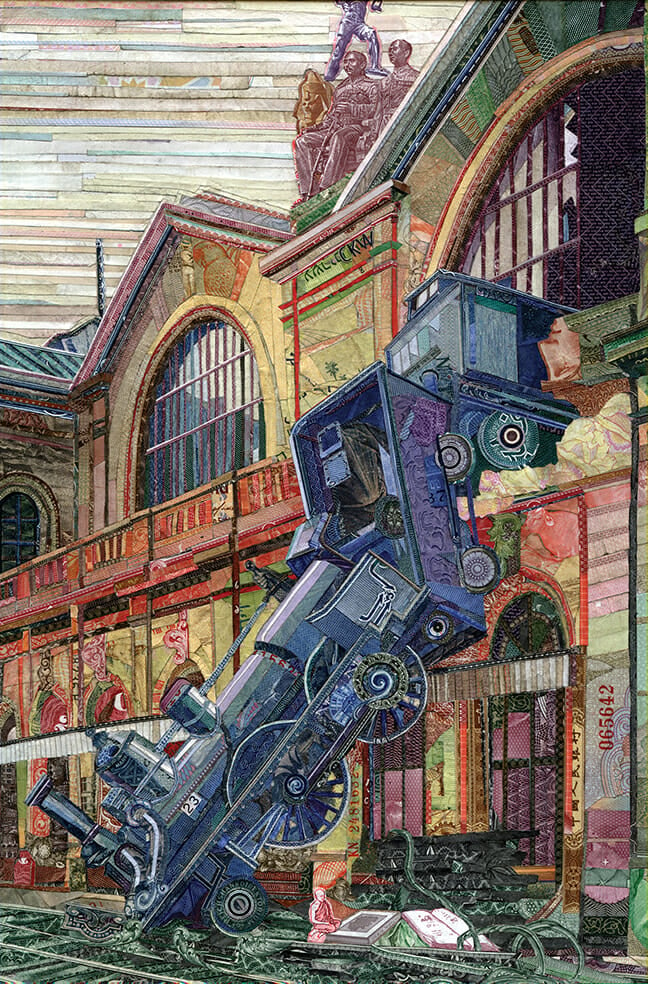
O
D
D
S
A
N
D
E
N
D
S
This exchange is from a conversation in Paris between David Graeber and Thomas Piketty, discoursing on the deep shit we’re all in and what we might do about climbing out. It was held at the École Normale Supérieure; moderated by Joseph Confavreux and Jade Lindgaard; edited by Edwy Plenel; first published by the French magazine Mediapart last October; and translated from the French for The Baffler by Donald Nicholson-Smith.
Moderators: You both appear to think that the prevailing economic and financial system has run its course, and cannot endure much longer in its present form. I would like to ask each of you to explain why.
Thomas Piketty: I am not sure that we are on the eve of a collapse of the system, at least not from a purely economic viewpoint. A lot depends on political reactions and on the ability of the elites to persuade the rest of the population that the present situation is acceptable. If an effective apparatus of persuasion is in place, there is no reason why the system should not continue to exist as it is. I do not believe that strictly economic factors can precipitate its fall.
Karl Marx thought that the falling rate of profit would inevitably bring about the fall of the capitalist system. In a sense, I am more pessimistic than Marx, because even given a stable rate of return on capital, say around 5 percent on average, and steady growth, wealth would continue to concentrate, and the rate of accumulation of inherited wealth would go on increasing.
But, in itself, this does not mean an economic collapse will occur. My thesis is thus different from Marx’s, and also from David Graeber’s. An explosion of debt, especially American debt, is certainly happening, as we have all observed, but at the same time there is a vast increase in capital—an increase far greater than that of total debt.
The creation of net wealth is thus positive, because capital growth surpasses even the increase in debt. I am not saying that this is necessarily a good thing. I am saying that there is no purely economic justification for claiming that this phenomenon entails the collapse of the system.
Moderators: But you still say the level of inequality has become intolerable?
Piketty: Yes. But there again, the apparatus of persuasion—or of repression, or a combination of the two, depending on what country you are considering—may allow the present situation to persist. A century ago, despite universal suffrage, the elites of the industrialized countries succeeded in preventing any progressive taxes. It took World War I to bring about a progressive income tax.
David Graeber: But the indebtedness of one person has to imply the enrichment of another, don’t you think?
Piketty: That is an interesting question. I loved your book, by the way. The only criticism I would have is that capital cannot be reduced to debt. It is true that more debt for some, public or private, is bound to increase the resources of others. But you do not directly address possible differences between debt and capital. You argue as if the history of capital were indistinguishable from that of debt. I think you are right to say that debt plays a much more significant historical part than has been assumed—especially when you dismiss the fairy tales retailed by economists concerning capital accumulation, barter, the invention of money, or monetary exchange. The way you redirect our attention by stressing the relationships of power and domination that underlie relationships of indebtedness is admirable. The fact remains that capital is useful in itself. The inequalities associated with it are problematic, but not capital per se. And there is much more capital today than formerly.
Graeber: I do not mean to say that capital is reducible to debt. But the absolute opposite is what everybody is told, and it is our task to fill in the blanks left by that account with respect to the history of wage labor, industrial capitalism, and early forms of capital. Why do you say that resources increase even as debt increases?
Piketty: Net wealth has increased—“wealth” meaning resources inasmuch as we can calculate them. And this is true even when debt is taken into account.
Graeber: You mean to say that there is now more wealth per capita than before?
Piketty: Clearly, yes. Take housing. Not only is there more housing now than fifty or a hundred years ago, but, by year of production, housing, net of debt, is increasing. On the basis of annual GNP, if you calculate national capital (defined as all revenue engendered by economic activity) and then the total indebtedness of all public and private actors in the country, the former will be seen to have increased relative to the latter in all the rich countries. This increase is somewhat less spectacular in the United States than in Europe and Japan, but it exists nevertheless. Resources are increasing much faster than debt.
Graeber: Getting back to the original question, the possible collapse of the system, I think that historical forecasts of this kind are a trap. What is certain is that all systems must end, but it is very hard to predict when the end might come. Signs of a slowing down of the capitalist system are visible. So far as technology is concerned, we no longer have the sense, as we did in the 1960s and 1970s, that we are about to see great innovations. In terms of political visions, we seem to be very far from the grand projects of the postwar period, such as the United Nations or the initiation of a space program. U.S. elites can’t act on climate change, even though it puts our ecosystem and human life itself in jeopardy. Our feelings of helplessness stem from the fact that for thirty years the tools of persuasion and coercion have been mobilized to wage an ideological war for capitalism, rather than to create conditions for capitalism to remain viable. Neoliberalism places political and ideological considerations above economic ones. The result has been a campaign of fantasy manipulation, a campaign so effective that people with dead-end jobs now believe that there is no alternative.
It is quite clear that this ideological hegemony has now reached its limit. Does this mean that the system is on the point of collapse? It’s hard to say. But capitalism is not old. It hasn’t been around forever, and it seems just as reasonable to imagine it can be transformed into something completely different as to imagine it will necessarily continue existing until the sun blows up, or until it annihilates us through some ecological catastrophe.
Moderators: Is capitalism itself the cause of the problem, or can it be reformed?
Piketty: One of the points that I most appreciate in David Graeber’s book is the link he shows between slavery and public debt. The most extreme form of debt, he says, is slavery: slaves belong forever to somebody else, and so, potentially, do their children. In principle, one of the great advances of civilization has been the abolition of slavery.
As Graeber explains, the intergenerational transmission of debt that slavery embodied has found a modern form in the growing public debt, which allows for the transfer of one generation’s indebtedness to the next. It is possible to picture an extreme instance of this, with an infinite quantity of public debt amounting to not just one, but ten or twenty years of GNP, and in effect creating what is, for all intents and purposes, a slave society, in which all production and all wealth creation is dedicated to the repayment of debt. In that way, the great majority would be slaves to a minority, implying a reversion to the beginnings of our history.
In actuality, we are not yet at that point. There is still plenty of capital to counteract debt. But this way of looking at things helps us understand our strange situation, in which debtors are held culpable and we are continually assailed by the claim that each of us “owns” between thirty and forty thousand euros of the nation’s public debt.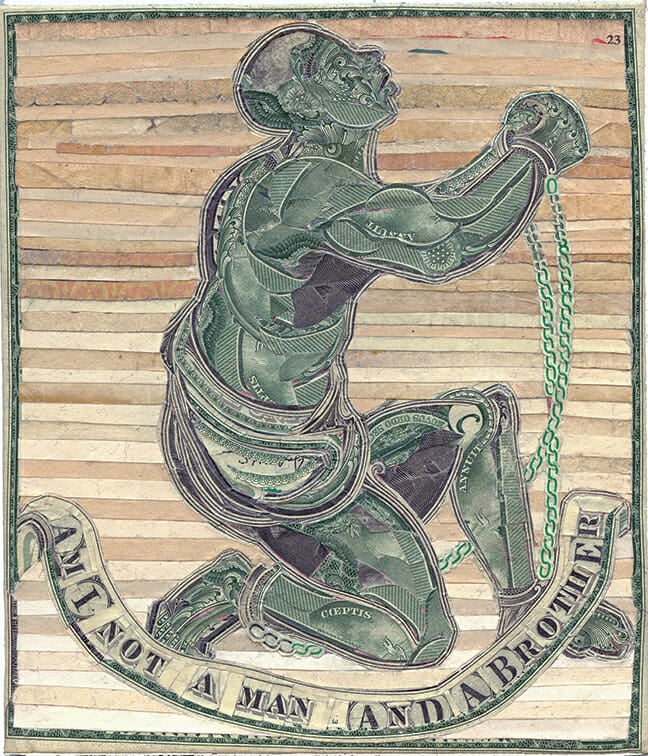
© C.K. Wilde
This is particularly crazy because, as I say, our resources surpass our debt. A large portion of the population owns very little capital individually, since capital is so highly concentrated. Until the nineteenth century, 90 percent of accumulated capital belonged to 10 percent of the population. Today things are a little different. In the United States, 73 percent of capital belongs to the richest 10 percent. This degree of concentration still means that half the population owns nothing but debt. For this half, the per capita public debt thus exceeds what they possess. But the other half of the population owns more capital than debt, so it is an absurdity to lay the blame on populations in order to justify austerity measures.
But for all that, is the elimination of debt the solution, as Graeber writes? I have nothing against this, but I am more favorable to a progressive tax on inherited wealth along with high tax rates for the upper brackets. Why? The question is: What about the day after? What do we do once debt has been eliminated? What is the plan? Eliminating debt implies treating the last creditor, the ultimate holder of debt, as the responsible party. But the system of financial transactions as it actually operates allows the most important players to dispose of letters of credit well before debt is forgiven. The ultimate creditor, thanks to the system of intermediaries, may not be especially rich. Thus canceling debt does not necessarily mean that the richest will lose money in the process.
Graeber: No one is saying that debt abolition is the only solution. In my view, it is simply an essential component in a whole set of solutions. I do not believe that eliminating debt can solve all our problems. I am thinking rather in terms of a conceptual break. To be quite honest, I really think that massive debt abolition is going to occur no matter what. For me the main issue is just how this is going to happen: openly, by virtue of a top-down decision designed to protect the interests of existing institutions, or under pressure from social movements. Most of the political and economic leaders to whom I have spoken acknowledge that some sort of debt abolition is required.
Piketty: That is precisely my problem: the bankers agree with you!
Graeber: Once we grant that debt cancellation is going to take place, the question becomes how we can control this process and ensure that its outcome is desirable. History offers many examples of debt elimination serving merely to preserve iniquitous social structures.
But debt abolition has also at times produced positive social change. Take the Athenian and Roman constitutions. At the origin of each was a debt crisis resolved in such a way that structural political reform ensued. The Roman republic and Athenian democracy were the offspring of debt crises. Indeed, there is a sense in which all great moments of political transformation have been precipitated by such crises. During the American Revolution, the annulment of debt by Great Britain was one of the revolutionaries’ demands. I feel that we are now confronted by a similar situation and that it calls for political inventiveness.
Cancellation is not a solution in itself because history records so many hopelessly regressive cases of it. Researchers at the Boston Consulting Group have written a paper entitled “Back to Mesopotamia?” on this issue. They roll out various models to see what might happen in the event of massive debt cancellation. Their conclusion is that great economic turbulence would result, but that failing to take such a course of action would create even more severe problems. In other words, the protection of prevailing economic structures requires debt cancellation. This is a typical case of reactionary calls for debt annulment.
As for capitalism, I have trouble imagining that it can last more than another fifty years, especially given the ecological issue. When the Occupy Wall Street movement was reproached for failing to frame concrete demands (even though it had in fact done so), I suggested—somewhat provocatively—that debts should be forgiven and the workday reduced to four hours. This would be beneficial from the ecological viewpoint and at the same time respond to our hypertrophied work time. (This means that we work a great deal at jobs whose sole purpose is to keep people occupied.) The present mode of production is based more on moral principles than on economic ones. The expansion of debt, of working hours, and of work discipline—all of them seem to be of a piece. If money is indeed a social relationship, founded on the assumption that everyone will assign the same value to the banknote that they have in their possession, shouldn’t we think about what kind of assumptions we wish to embrace regarding future productivity and commitment to work?
That’s why I say that the abolition of debt implies a conceptual break. My approach is intended to help us imagine other forms of social contract that could be democratically negotiated.
Moderators: Reading your work, Thomas Piketty, one gets the impression that for you the eradication of debt is not a “civilized” solution. What do you mean by this?
Piketty: The fact is, as I say, that the last creditors are not necessarily the ones who should be made to pay. What do you think, David, of the proposal that a progressive tax be imposed on wealth, which seems to me a more civilized way to arrive at the same result? I must repeat how perplexed I am by the fact that the most enthusiastic supporters of debt abolition, apart from you, are the partisans of “haircuts,” to use an expression favored by the International Monetary Fund (IMF) and the Bundesbank. That proposal comes down to the idea that the holders of public debt took risks so now they must pay. So reduce the Greek debt by 50 percent or the Cypriot debt by 60 percent—hardly a progressive measure!
Forgive me, but I am very surprised that you attach so little importance to the question of what tools we should employ, what collective institutions we should create, the better to target those whom we wish to target. Part of our role as intellectuals is to say what collective institutions we want to construct. Taxation is part of this.
Graeber: Progressive taxation seems to me to epitomize the Keynesian era and redistributive mechanisms based on expectations of growth rates that no longer seem valid. This sort of redistributive mechanism relies on projections of the increased productivity, linked to rising wages, which historically accompanied the application of redistributive tax policies. But are such policies workable in the context of weak growth? And with what social impact?
Piketty: Well, weak growth actually makes those fiscal tools even more desirable. I am thinking not only of traditional income taxes, but also of a progressive tax on wealth and capital. People possess a certain quantity of capital, net of debt. If you impose a progressive tax rate on this, for those who possess very little that rate may be negative, which amounts to forgiving some of their debts. So this is a far cry from Keynesian income-tax policies.
Moreover, a weak growth rate makes both income taxes and wealth taxes even more desirable because it widens the gap between the rate of return on capital and the growth rate. For most of history, the growth rate was almost zero, whereas the return on capital was around 5 percent. So when the growth rate is around 5 percent, as it was in Europe after World War II, the gap between the two rates is minimal. But when the growth rate is 1 percent, or even negative, as in some European countries today, that gap is enormous. This is not a problem from a strictly economic point of view, but it certainly is in social terms, because it brings about great concentrations of wealth. In response to which, progressive wealth and inheritance taxes are of great utility.
Graeber: But shouldn’t such a progressive tax on capital be international in scope?
Piketty: Yes, of course. I am an internationalist, and so are you, so we have no differences on that score.
Graeber: All the same, it is an interesting question, because historically whenever an era of expensive credit begins, some kind of overarching means is generally found for protecting debtors and giving creditors free rein—even going so far on occasion as to actively favor debtors. Such mechanisms for constraining creditors’ power over debtors have taken many forms, including a monarchy based on divine right in Mesopotamia, the biblical Law of Jubilee, medieval canon law, Buddhism, Confucianism, and so on. In short, societies adopting such principles had institutional or moral structures designed to maintain some form of control over lending practices.
Today we are in a period in which lending is decisive, but we do things the other way around. We already have the overarching institutions, which are almost religious in character inasmuch as neoliberalism may be seen as a kind of faith. But instead of protecting debtors from creditors, these institutions do just the opposite.
For thirty years a combination of the IMF, the World Trade Organization (WTO), the financial institutions that came out of Bretton Woods, the investment banks, the multinationals, and the international NGOs has constituted an international bureaucracy of global scope. And unlike the United Nations, this bureaucracy has the means to enforce its decisions. Since this whole structure was explicitly put in place in order to defend the interests of financiers and creditors, how might it be politically possible to transform it in such a way as to have it do the exact opposite of what it was designed to do?
Piketty: All I can say is that a lot of people would need to be convinced! But it is important to know exactly where we want to get to. What bothers me here is the fact that for the large institutions you are talking about, it is far more natural than you think to forgive debt. Why do you think they like the word “haircut” so much? Your prescription is trapped in the moral universe of the market. The culprit is the party that owns the debt. The danger I see is that the financial institutions move in exactly the direction you describe.
Typically enough, in the case of the Cypriot crisis, after entertaining the idea of a (slightly) progressive tax on capital assets, the IMF and the European Central Bank eventually opted for “haircuts,” along with a flat-level tax.
In the France of 1945–46, the public debt was enormous. Two means were used to deal with the problem. The first was high inflation, which is the main way, historically, of getting rid of debt. But this reduced the worth of those who had very little: poor old people, for example, who lost everything. As a result, in 1956, a national consensus supported the introduction of an old-age pension, a form of guaranteed minimum income for retirees so affected.
The rich, meanwhile, had been untouched by the inflation. Inflation did not reduce their wealth because their investments were in real capital, which sheltered them. What did lose them money was the second measure, adopted in 1945—namely, an uncustomary progressive tax imposed on wealth and capital. Today, seventy years later, the IMF would have us believe that it is technically impossible to establish a graduated tax on capital. I really am afraid that the institutions you mention have powerful ideological reasons for favoring haircuts.
Moderators: What about the risk of tax evasion? Isn’t it easier for the owners of capital to avoid taxes than to avoid the impact of debt cancellation?
Piketty: No, it is very easy to avoid the effects of debt forgiveness, just as it is easy to protect oneself against inflation. The big portfolios do not hold letters of credit—they are composed of real capital. Is it possible to fight tax evasion? Yes, if you want to, you can. When modern governments really want their decisions to be respected, they succeed in getting them respected.
When Western governments want to send a million soldiers to Kuwait to prevent Kuwaiti oil from being seized by Iraq, they do it. Let’s be serious: If they are not afraid of an Iraq, they have no reason to fear the Bahamas or New Jersey. Levying progressive taxes on wealth and capital poses no technical problems. It is a matter of political will.
デヴィッド・グレーバー、トーマス・ピケティ No. 25
2014年7月
金持ちを浸す
資本、債務、そして未来に関する交換
ODDS AND ENDS
この交換は、DavidGraeberとThomasPikettyの間のパリでの会話からのものであり、私たち全員が深く関わっていることと、登山について何をする可能性があるかについて思いとどまらせています。高等師範学校で開催されました。JosephConfavreuxとJadeLindgaardが司会を務めました。EdwyPlenelによって編集されました。昨年10月にフランスの雑誌Mediapartによって最初に発行されました。ドナルド・ニコルソン・スミスが『ザ・バッフラー』のためにフランス語から翻訳したものです。
モデレーター:あなたは両方とも、一般的な経済および金融システムがそのコースを実行し、現在の形でこれ以上長く耐えることができないと考えているようです。その理由を皆さんに説明していただきたいと思います。
トーマス・ピケティ:少なくとも純粋に経済的な観点からは、私たちがシステムの崩壊の前夜にいるのかどうかはわかりません。多くは、政治的反応と、現在の状況が受け入れられることを残りの人々を説得するエリートの能力に依存しています。説得の効果的な装置が整っていれば、システムがそのまま存在し続けるべきではない理由はありません。厳密に経済的要因がその落ち込みを助長する可能性があるとは思わない。
カール・マルクスは、利益率の低下は必然的に資本主義システムの低下をもたらすだろうと考えました。ある意味、私はマルクスよりも悲観的です。なぜなら、平均で約5%の安定した資本収益率と着実な成長があったとしても、富は集中し続け、継承された富の蓄積率は続くからです。増加しています。
しかし、それ自体は、経済崩壊が起こることを意味するものではありません。したがって、私の論文はマルクスの論文やデビッド・グレーバーの論文とは異なります。私たち全員が観察しているように、債務、特にアメリカの債務の爆発は確かに起こっていますが、同時に資本の大幅な増加があり、総債務よりもはるかに大きな増加です。
したがって、資本の成長は債務の増加さえも上回っているため、純資産の創出は前向きです。これが必ずしも良いことだと言っているのではありません。私は、この現象がシステムの崩壊を伴うと主張するための純粋に経済的な正当化はないと言っています。
モデレーター:しかし、あなたはまだ不平等のレベルが耐えられなくなったと言いますか?
ピケティ:はい。しかし、ここでも、あなたが検討している国に応じて、説得の装置、または抑圧の装置、あるいはその2つの組み合わせによって、現在の状況が持続する可能性があります。1世紀前、普通選挙権にもかかわらず、先進工業国のエリートは累進課税を防ぐことに成功しました。第一次世界大戦が累進所得税をもたらすのにかかった。
デビッド・グレーバー:しかし、ある人の借金は別の人の豊かさを意味しなければなりませんね。
ピケティ:それは興味深い質問です。ちなみに、私はあなたの本が大好きでした。私が持っている唯一の批判は、資本を負債に還元することはできないということです。公的または私的を問わず、一部の債務が増えると、他の人の資源が増えることは事実です。しかし、あなたは負債と資本の間で起こりうる違いに直接対処しません。あなたは、資本の歴史が債務の歴史と見分けがつかないかのように主張します。特に、資本蓄積、物々交換、お金の発明、または通貨交換に関して経済学者が小売りしたおとぎ話を却下する場合、債務は想定されていたよりもはるかに重要な歴史的役割を果たしていると言うのは正しいと思います。債務の関係の根底にある権力と支配の関係を強調することによって私たちの注意を向け直す方法は称賛に値します。資本はそれ自体が有用であるという事実は残っています。それに関連する不平等は問題がありますが、資本自体ではありません。そして今日、以前よりもはるかに多くの資本があります。
グレーバー:資本が負債に還元できると言うつもりはありません。しかし、正反対は誰もが言われていることであり、賃金労働の歴史、産業資本主義、そして初期の資本形態に関して、そのアカウントによって残された空白を埋めることが私たちの仕事です。借金が増えても資源が増えると言うのはなぜですか?
ピケティ:純資産が増加しました。「富」とは、計算できる限りのリソースを意味します。そして、これは債務を考慮に入れても当てはまります。
グレーバー:今では一人当たりの富が以前よりも増えているということですか?
ピケティ:明らかに、そうです。住宅を取る。現在、50年または100年前よりも多くの住宅が存在するだけでなく、生産年ごとに、債務控除後の住宅が増加しています。年間GNPに基づいて、国の資本(経済活動によって生み出されたすべての収入として定義される)を計算し、次に国内のすべての公的および民間の関係者の総負債を計算すると、前者は後者に比べて増加していることがわかります。すべての豊かな国。この増加は、米国ではヨーロッパや日本よりもやや目立たないものですが、それでも存在します。資源は債務よりもはるかに速く増加しています。
グレーバー:元の質問、システムの崩壊の可能性に戻ると、この種の過去の予測は罠だと思います。確かなことは、すべてのシステムを終了する必要があるということですが、いつ終了するかを予測することは非常に困難です。資本主義システムの減速の兆候が見られます。テクノロジーに関しては、1960年代や1970年代のように、大きなイノベーションが見られようとしているという感覚はもはやありません。政治的ビジョンの観点からは、国連や宇宙計画の開始など、戦後の壮大なプロジェクトからはかけ離れているようです。米国のエリートは、それが私たちの生態系と人間の生活自体を危険にさらしているとしても、気候変動に対処することはできません。私たちの無力感は、資本主義が存続するための条件を作り出すのではなく、30年間、説得と強制のツールが資本主義のためのイデオロギー戦争を行うために動員されてきたという事実から生じています。新自由主義は、経済的考慮よりも政治的およびイデオロギー的考慮を優先します。その結果、ファンタジー操作のキャンペーンが生まれました。これは非常に効果的なキャンペーンであり、行き止まりの仕事をしている人々は今や代替手段はないと信じています。
このイデオロギーの覇権が今や限界に達していることは明らかです。これは、システムが崩壊の危機に瀕していることを意味しますか?言うのが難しい。しかし、資本主義は古くはありません。それは永遠に存在しているわけではなく、太陽が爆破するまで、または何らかの生態学的大惨事によって私たちを全滅させるまで、それが必然的に存在し続けると想像するのと同じように、それが完全に異なるものに変換できると想像するのは合理的です。
モデレーター:資本主義自体が問題の原因なのか、それとも改革できるのか?
ピケティ:デヴィッド・グレーバーの本で私が最も感謝している点の1つは、奴隷制と公的債務の間の彼のリンクです。彼によると、最も極端な形の債務は奴隷制です。奴隷は永遠に他の誰かに属しているので、潜在的には子供たちもそうします。原則として、文明の大きな進歩の1つは、奴隷制の廃止でした。
グレーバーが説明するように、奴隷制が具体化した世代間の債務の伝達は、増大する公的債務に現代的な形を見出し、ある世代の債務を次の世代に移転することを可能にしました。これの極端な例を想像することは可能であり、GNPの1年だけでなく10年または20年に相当する無限の公的債務があり、事実上、すべての意図と目的のために、すべての生産とすべての富の創造は債務の返済に捧げられています。そのように、大多数は少数派の奴隷であり、私たちの歴史の始まりへの復帰を意味します。
実際には、まだその時点ではありません。債務を打ち消すための資本はまだたくさんあります。しかし、このような見方は、債務者が責任を問われ、私たち一人一人が国の公的債務の3万から4万ユーロを「所有」しているという私たちの奇妙な状況を理解するのに役立ちます。
©CKワイルド
私が言うように、私たちのリソースは私たちの負債を上回っているので、これは特にクレイジーです。資本が非常に集中しているため、人口の大部分は個人的にほとんど資本を所有していません。 19世紀まで、蓄積された資本の90パーセントは人口の10パーセントに属していました。今日は少し違います。米国では、資本の73%が最も裕福な10%に属しています。この程度の集中は、人口の半分が借金しか所有していないことを意味します。したがって、この半分では、一人当たりの公的債務は彼らが所有するものを上回っています。しかし、人口の残りの半分は債務よりも多くの資本を所有しているので、緊縮政策を正当化するために人口に責任を負わせるのはばかげています。
しかし、それでも、グレーバーが書いているように、債務の撤廃は解決策ですか?私はこれに反対することは何もありませんが、相続財産に対する累進課税と、上位の括弧に対する高い税率に有利です。どうして?質問は:翌日はどうですか?借金がなくなったらどうしますか?計画は何ですか?債務をなくすことは、債務の最終的な保有者である最後の債権者を責任者として扱うことを意味します。しかし、実際に運用されている金融取引のシステムでは、最も重要なプレーヤーは、債務が免除されるかなり前に信用状を処分することができます。仲介者のシステムのおかげで、最終的な債権者は特に金持ちではないかもしれません。したがって、債務を取り消すことは、必ずしも最も裕福な人がその過程でお金を失うことを意味するわけではありません。
グレーバー:債務廃止が唯一の解決策だと言っている人は誰もいません。私の見解では、これはソリューションのセット全体に不可欠なコンポーネントにすぎません。私は、債務をなくすことで私たちのすべての問題を解決できるとは思いません。私はむしろ概念的な中断の観点から考えています。正直なところ、どうしても大規模な債務廃止が起こると思います。私にとっての主な問題は、これがどのように起こるかということです。公然と、既存の機関の利益を保護するために設計されたトップダウンの決定によって、または社会運動からの圧力の下で。私が話をした政治的および経済的指導者のほとんどは、ある種の債務廃止が必要であることを認めています。
ピケティ:それはまさに私の問題です:銀行家たちはあなたに同意します!
グレーバー:債務免除が行われることを認めたら、問題は、このプロセスをどのように制御し、その結果が望ましいものであることを確認できるかということです。歴史は、単に不法な社会構造を保護するために役立つ債務削減の多くの例を提供しています。
しかし、債務の廃止は、時には前向きな社会変化を生み出しました。アテナイとローマの憲法を取りなさい。それぞれの起源は、構造的な政治改革が続くような方法で解決された債務危機でした。共和政ローマとアテナイの民主主義は債務危機の子孫でした。確かに、そのような危機によって、政治変革のすべての素晴らしい瞬間が引き起こされたという感覚があります。アメリカ独立戦争中、イギリスによる債務の廃止は革命家の要求の1つでした。私たちは今、同様の状況に直面しており、それは政治的創意工夫を必要としていると感じています。
キャンセルはそれ自体が解決策ではありません。なぜなら、歴史はそれの非常に多くの絶望的に退行的なケースを記録しているからです。ボストンコンサルティンググループの研究者は、「メソポタミアに戻る?」というタイトルの論文を書いています。この問題について。彼らはさまざまなモデルを展開して、大規模な債務免除が発生した場合に何が起こるかを確認します。彼らの結論は、大きな経済的混乱が生じるだろうが、そのような行動をとらないことはさらに深刻な問題を引き起こすだろうということです。言い換えれば、一般的な経済構造の保護には債務免除が必要です。これは、債務の破棄を求める反動的な呼びかけの典型的なケースです。
資本主義については、特に生態系の問題を考えると、それがさらに50年以上続くとは想像しがたい。ウォール街を占拠運動が具体的な要求を組み立てることができなかったとして非難されたとき(実際にはそうしていましたが)、私は、いくぶん挑発的に、借金を許し、労働時間を4時間に短縮することを提案しました。これは、生態学的観点から有益であると同時に、肥大した作業時間に対応します。 (これは、私たちが人々を占領し続けることを唯一の目的とする仕事で多くのことをしていることを意味します。)現在の生産様式は、経済的原則よりも道徳的原則に基づいています。債務、労働時間、および労働規律の拡大-それらはすべて断片的であるように思われます。お金が確かに社会的関係であるならば、誰もが所有している紙幣に同じ価値を割り当てるという前提に基づいて、将来の生産性と仕事へのコミットメントに関してどのような前提を採用したいかを考えるべきではありませんか?
だからこそ、債務の廃止は概念の崩壊を意味すると私は言います。私のアプローチは、民主的に交渉できる他の形態の社会契約を想像するのを助けることを目的としています。
モデレーター:あなたの作品を読んで、トーマス・ピケティ、あなたにとって債務の根絶は「文明化された」解決策ではないという印象を受けます。これはどういう意味ですか?
ピケティ:事実は、私が言うように、最後の債権者は必ずしも支払わされるべきものではないということです。デビッド、富に累進課税を課すという提案についてどう思いますか。それは私には同じ結果に到達するためのより文明的な方法のようです。国際通貨基金(IMF)とドイツ連邦銀行が支持する表現を使用するために、あなたを除いて、債務廃止の最も熱心な支持者が「ヘアカット」のパルチザンであるという事実に私がどれほど当惑しているのかを繰り返さなければなりません。その提案は、公的債務の保有者がリスクを冒したので、今は支払わなければならないという考えに帰着します。したがって、ギリシャの債務を50%削減するか、キプロスの債務を60%削減します。これは、進歩的な対策ではありません。
許してください。しかし、どのツールを使用すべきか、どの集合機関を作成すべきかという問題をあまり重要視していないことに非常に驚いています。知識人としての私たちの役割の一部は、私たちがどのような集合的制度を構築したいかを言うことです。課税はこの一部です。
グレーバー:累進課税は、ケインズ時代と、もはや有効ではないと思われる成長率の期待に基づく再分配メカニズムを象徴しているように私には思えます。この種の再分配メカニズムは、歴史的に再分配税政策の適用に伴う賃金の上昇に関連した生産性の向上の予測に依存しています。しかし、そのような政策は弱い成長の文脈で実行可能ですか?そして、どのような社会的影響がありますか?
ピケティ:まあ、弱い成長は実際にそれらの財政ツールをさらに望ましいものにします。私は伝統的な所得税だけでなく、富と資本に対する累進課税についても考えています。人々は、負債を差し引いた一定量の資本を持っています。これに累進課税率を課すと、その税率がほとんどない人にとってはマイナスになる可能性があり、それは彼らの債務の一部を許すことになります。したがって、これはケインズの所得税政策とはかけ離れています。
さらに、成長率が低いと、資本収益率と成長率のギャップが広がるため、所得税と富裕税の両方がさらに望ましいものになります。ほとんどの歴史において、成長率はほぼゼロでしたが、資本利益率は約5%でした。したがって、第二次世界大戦後のヨーロッパのように、成長率が約5%の場合、2つの成長率の差は最小限に抑えられます。しかし、今日の一部のヨーロッパ諸国のように、成長率が1%、またはマイナスでさえある場合、そのギャップは非常に大きくなります。これは厳密に経済的な観点からは問題ではありませんが、それは富の大きな集中をもたらすので、確かに社会的な観点からです。それに応じて、進歩的な富と相続税は非常に有用です。
グレーバー:しかし、資本に対するそのような累進課税は、範囲が国際的であるべきではありませんか?
ピケティ:はい、もちろんです。私は国際主義者です、そしてあなたもそうです、それで私たちはそのスコアに違いはありません。
グレイバー:それでも、興味深い質問です。歴史的に、高額な信用の時代が始まると、債務者を保護し、債権者に自由な支配を与えるための何らかの包括的な手段が一般的に見られるからです。 。メソポタミアの神権に基づく君主制、聖書のジュビリー法、中世の教会法、仏教、儒教など、債権者の債務者に対する権力を制限するためのそのようなメカニズムは、多くの形をとってきました。要するに、そのような原則を採用している社会は、貸付慣行に対する何らかの形の管理を維持するように設計された制度的または道徳的構造を持っていた。
今日、私たちは貸し出しが決定的な時期にありますが、私たちはその逆のことをしています。私たちはすでに、新自由主義が一種の信仰と見なされる可能性がある限り、ほとんど宗教的な性格の包括的な制度を持っています。しかし、債務者を債権者から保護する代わりに、これらの機関は正反対のことをします。
30年間、IMF、世界貿易機関(WTO)、ブレトンウッズから生まれた金融機関、投資銀行、多国籍企業、および国際NGOの組み合わせが、グローバルな範囲の国際官僚機構を構成してきました。そして、国連とは異なり、この官僚機構はその決定を執行する手段を持っています。この構造全体は、金融業者と債権者の利益を守るために明示的に導入されたので、設計されたものとは正反対の方法でそれを変換することは、どのように政治的に可能でしょうか?
ピケティ:私が言えるのは、多くの人が納得する必要があるということだけです!しかし、どこに行きたいのかを正確に知ることは重要です。ここで私を悩ませているのは、あなたが話している大規模な機関にとって、あなたが債務を許すと思うよりもはるかに自然であるという事実です。なぜ彼らは「ヘアカット」という言葉がとても好きだと思いますか?あなたの処方箋は、市場の道徳的な世界に閉じ込められています。犯人は債務を所有する当事者です。私が見る危険は、金融機関があなたが説明した方向に正確に動くということです。
通常、キプロス危機の場合、資本資産に対する(わずかに)累進課税のアイデアを楽しんだ後、IMFと欧州中央銀行は最終的にフラットレベルの税とともに「ヘアカット」を選択しました。
1945年から46年のフランスでは、公的債務は莫大でした。この問題に対処するために2つの手段が使用されました。 1つ目は高インフレでした。これは歴史的に債務をなくすための主な方法です。しかし、これはほとんど持っていなかった人々の価値を減らしました:例えば、すべてを失った貧しい老人。その結果、1956年には、国民のコンセンサスが老齢年金の導入を支持しました。これは、影響を受けた退職者に保証された最低所得の形態です。
一方、金持ちはインフレの影響を受けていませんでした。彼らの投資は実際の資本であり、それが彼らを保護していたので、インフレは彼らの富を減少させませんでした。彼らにお金を失ったのは、1945年に採択された2番目の措置、つまり、富と資本に課せられる非慣習的な累進課税でした。70年後の今日、IMFは、資本に対する累進課税を確立することは技術的に不可能であると私たちに信じさせます。あなたが言及している機関には、ヘアカットを支持する強力なイデオロギー的理由があるのではないかと本当に恐れています。
モデレーター:脱税のリスクはどうですか?資本の所有者にとって、債務免除の影響を回避するよりも税金を回避する方が簡単ではありませんか?
ピケティ:いいえ、インフレから身を守るのと同じように、債務免除の影響を回避するのは非常に簡単です。大きなポートフォリオは信用状を保持していません—それらは実際の資本で構成されています。脱税と戦うことは可能ですか?はい、必要に応じてできます。現代の政府が本当に彼らの決定が尊重されることを望んでいるとき、彼らは彼らを尊重させることに成功します。
西側政府がクウェートに百万人の兵士を送り、クウェートの石油がイラクに押収されるのを防ぐことを望むとき、彼らはそれをします。真剣に考えましょう。彼らがイラクを恐れていなければ、バハマやニュージャージーを恐れる理由はありません。富と資本に累進課税を課すことは、技術的な問題を引き起こしません。それは政治的意思の問題です。
デイビット・グレイバーはの寄稿編集者である Baffler。彼の著書 Debt:The First 5、000Years は現在ペーパーバックで出版されています。 トーマス・ピケティは21世紀の資本の著者です 。

確かに例えば国家による賞罰を貨幣の起源に含めてしまうことが批判される場合があります。
返信削除以下もそうした側面からMMTを批判しています。
Capitalism: Competition, Conflict, Crises
英語版 Anwar Shaikh (著)
https://www.amazon.co.jp/Capitalism-Competition-Conflict-Anwar-Shaikh-ebook/dp/B01AIIYM9I/
インガムのイネスへの不満もそうしたものだったでしょう。
むしろこの場合賞罰を貨幣に含めることがMMT的には望ましいのかもしれません。
グレーバーとピケティもそう言っているように自分には思えます。
David Graeber, Thomas Piketty No. 25 July 2014
https://thebaffler.com/odds-and-ends/soak-the-rich
確かに例えば国家による賞罰を貨幣の起源に含めてしまうことが批判される場合があります。
返信削除以下もそうした側面からMMTを批判しているようです。
Capitalism: Competition, Conflict, Crises
Anwar Shaikh
https://www.amazon.co.jp/Capitalism-Competition-Conflict-Anwar-Shaikh-ebook/dp/B01AIIYM9I/
インガムのイネスへの不満もそうしたものだったでしょう。
むしろこの場合賞罰を貨幣に含めることがMMT的には望ましいのかもしれません。
グレーバーとピケティもそう言っているように自分には思えます。
David Graeber, Thomas Piketty No. 25 July 2014
https://thebaffler.com/odds-and-ends/soak-the-rich