What Every American Needs to Know About the Congressional "Pay-For" Game (Part 1)
I know this game. I watched it from the inside.
Back in 2015/16, I served as chief economist (minority staff) on the U.S. Senate Budget Committee. I sometimes helped draft legislation that staffers would then take to other Senate offices, looking for co-sponsors or a commitment from other Senators to vote for the bill. Inevitably, the conversation would go something like this:
Staffer A: "Senator ______ is dropping a $1 trillion infrastructure bill next week, can you get your boss to support it?"
Staffer B: "What's your pay-for?"
That's a real exchange from my time in the Senate. Most staffers can tell you right away whether there's a snowball's chance in hell of getting their boss on board the moment you answer the pay-for question. Explaining that the spending is "paid for" with a wealth tax on fortunes that exceed $50 million, for example, would be a non-starter for every Republican in Congress but also for many Democrats. Something more palatable, like closing tax loopholes or stepping up IRS enforcement of existing tax laws would tend to garner more support, especially among Democrats. If your response to the pay-for question didn't immediately close the door on negotiations, the conversation would typically continue:
Staffer B: "What will CBO say?"
That's how the pay-for game begins. First, tell me how you plan to keep the spending from increasing the deficit. Then, tell me whether the Congressional Budget Office (CBO) will dispute your numbers. In practice, this meant that passing our $1 trillion infrastructure bill in the Senate, required us to (1) find 59 other Senators who would agree to vote not just for the spending but also for the accompanying tax increases; and (2) attain a favorable "score" from CBO, affirming that lawmakers had submitted a credible plan to improve America's crumbling infrastructure without adding to the fiscal deficit. In our case, the appetite for closing tax loopholes wasn't there, so the Senate didn't come anywhere close to passing that bill in 2015. It never even made it out of committee.
Fast forward to 2020.
As COVID thundered onto our shores in early 2020, Congress adopted a new playbook. A sense of wartime urgency had taken hold, and lawmakers knocked a $2.2 trillion CARES Act out of the park with little hesitation or concern for the budgetary impacts of that spending. By December, they belted out another $900 billion. And then in March 2021, Congress stepped up to the plate for a third time, firing off $1.9 trillion in the form of the American Rescue Plan (ARP). All of it added to the fiscal deficit. You could say that the pandemic gave us a yearlong rain delay on the whole "pay for" game.
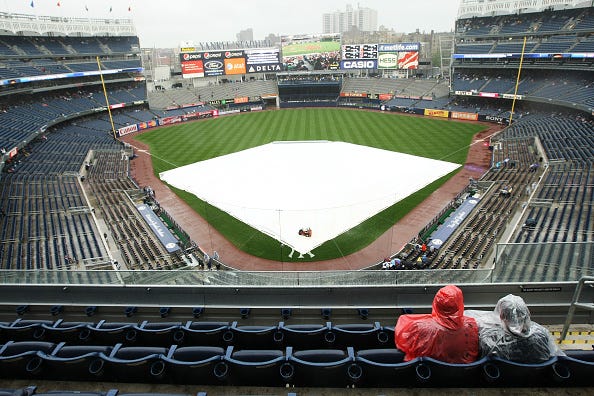
That rain delay ended when the White House announced that it intended to fully "pay for" the president's $2.3 trillion American Jobs Plan (AJP) and his $1.8 trillion American Families Plan (AFP). Numerous members of the administration—CEA member Jared Bernstein, Treasury Secretary Janet Yellen, Transportation Secretary Pete Buttigieg, and Commerce Secretary Gina Raimondo—blanketed the airways, stressing the importance of finding ways to offset all $4.1 trillion in proposed spending, pitching it as the "fiscally responsible" way to move forward.
Here's the way Biden put it when he unveiled the AJP in Pittsburgh on March 31, 2021:
"It's honest. It's fiscally responsible. And by the way, as the experts will tell you, it reduces the debt — the federal debt over the long haul.
But let me be clear: These are my ideas on how to pay for this plan. If others have additional ideas, let them come forward. I'm open to other ideas, so long as they do not impose any tax increase on people making less than $400,000."
A week later, he reiterated that while he was open to negotiating the specific "pay-fors," he would insist upon fully offsetting the spending.
"I'm willing to listen to that. I'm willing to — I'm wide open to, but we've got to pay for this. We got to pay. There's many other ways we can do it, but I'm willing to negotiate that."
Later that month, in his first State of the Union address, he reminded the nation that he hoped to work with Congress to pass his deficit-neutral agenda.
"So, how do we pay for my Jobs and Family Plan? I made it clear, we can do it without increasing the deficits."
Fast forward again.
After months of reaching across the aisle to broker a bipartisan infrastructure deal, the White House is now one step closer to realizing $550 billion in new spending on America's dilapidated infrastructure. Sticking with the baseball analogy, you might say they put a man on first. Eventually, he might round the bases and make it across home plate. Or he could get thrown out (by House Democrats) or stranded on the bag (as the Senate must now turn to the looming debt ceiling limit and the $3.5 trillion reconciliation bill). Time will tell. And, unlike in the MLB, the legislative game clock is ticking.
Getting that runner on first was something of a heroic feat. To do it, lawmakers had to call another rain delay on the pay-for game.
It's ironic. For all the time and energy that went into negotiating a deficit-neutral—i.e. fully "paid for"—package, lawmakers ultimately decided that they were more comfortable adding to the deficit than voting for a slew of measures to offset all $550 billion.
So how much of the proposed spending is actually "paid for"?
According to CBO, $294 billion would be offset, leaving $256 billion to fall onto deficits over the next decade. Senator Rob Portman (R-OH), one of the lead authors of the bill, was frustrated by CBO's analysis. He and Krysten Sinema (D-AZ), another lead negotiator, issued a statement, complaining that CBO had low-balled the revenue estimate, insisting that their "pay-fors" would more than cover the full cost of the bill.
But CBO disagreed, and that was enough to give many Republicans a convenient excuse to oppose the bill. As Newsweek reported:
The 30 Republicans who voted against the infrastructure plan represent 21 states that stand to get billions of relief money from the package. Several cited a report from the nonpartisan Congressional Budget Office that estimated the infrastructure bill could add $256 billion to the federal deficit.
Senator Mike Lee (R-UT) was among the nay votes. He defended his vote by saying:
"As much as half of the pay-fors are just fake."
In a way, he's right. Taxes don't actually pay for spending at the federal level. So every "pay for" is fake in that regard. That's a core tenet of MMT, but it's also recognized by some economists who don't self-identify as MMT scholars.
The truth is, most lawmakers don't actually care whether they're voting for so-called "fake" offsets. If they genuinely support the policy, a "pay for" that works on paper (if not in practice) is often good enough to garner support. They understand the pay-for game, so…a wink and a nod.
For example, in my book, I wrote about a passing remark from former Senator Barbara Boxer (D-CA). I was seated on a staff bench in the rear of the Senate chamber, and Senator Boxer had just voted in favor of a "deficit-neutral" amendment during a special session known as vote-a-rama. As she walked past the Senator who authored the amendment, she quipped:
"I voted for your amendment even though your pay-for is bullshit."
As I wrote in the book:
"I couldn't have said it better myself. Her point was a simple one. We've got a really screwy way of drafting, evaluating, and passing legislation. We pretend that the federal government needs to budget like a household. We think of taxes as something the government needs (i.e. revenue) instead of remembering that taxes are there to subtract spending power from the rest of us so that the government's own spending doesn't push the economy beyond its full-employment limit. We hamstring legislation by demanding that the government "pay for" new spending, even when the economy could safely absorb that spending without the need for higher taxes. And we do all of this because we've decided that these household budgeting practices somehow serve the public interest. They don't."
The public needs to understand what this whole "pay for" game is really about and why—despite appearances—it doesn't actually result in responsible budgeting practices.
There's a lot at stake. $3.5 trillion to be exact. That's money for health care, child care, elder care, education, climate, and more. It's within reach, but it will take all 50 Senate Democrats to put another runner on base. Once that happens, House Democrats can wave both runners home. If the votes are there, the money will go out. Just as it did during the yearlong rain delay that batted ~$5 trillion into the economy. The votes authorize the spending. The votes are the real pay-fors. Everything else is political theatre masquerading as sound finance.

返信削除2021/08/17ケルトン すべてのアメリカ人が知っておくべき、議会の「ペイ・フォー」ゲームについて(パート1) - by Stephanie Kelton - The Lens
https://stephaniekelton.substack.com/p/what-every-american-needs-to-know?r=nmaf&utm_campaign=post&utm_medium=web&utm_source=twitter
アメリカ人が知っておくべき、議会の "ペイ・フォア "ゲームについて(その1
私はこのゲームを知っています。私は内側からそれを見ていました。
ステファニー・ケルトン12 時間前
2015/16年当時、私は米上院予算委員会のチーフエコノミスト(少数派スタッフ)を務めていました。私は、スタッフが他の上院事務所に持って行き、共同提案者を探したり、他の上院議員がその法案に賛成することを約束したりする法案の草稿を作ることもありました。その時の会話は必然的に次のようなものになる。
スタッフA:「______ 上院議員が来週、1兆ドルのインフラ法案を提出するそうですが、あなたの上司に支持してもらえませんか?
スタッファーB:"What's your pay-for?"
これは私が上院にいたときの実際のやり取りです。ほとんどのスタッフは、あなたがpay-forの質問に答えた瞬間に、自分の上司を支持させるチャンスが雪だるま式に増えるかどうか、すぐに分かります。例えば、5,000万ドル以上の資産に対する富裕税で支出を「賄う」と説明しても、議会の共和党員はもちろん、多くの民主党員にも受け入れられません。それよりも、税の抜け道をなくすとか、IRSによる既存の税法の執行を強化するといった、より親しみやすい内容の方が、特に民主党員の間では支持を得られる傾向にあります。ペイフォーの質問に対するあなたの回答が、交渉の扉をすぐに閉じてしまわなければ、通常、会話は続きます。
スタッフB:「CBOは何と言うだろう?
これが、ペイフォーゲームの始まりです。まず、どのようにして支出を増やして赤字を増やさないようにするかを教えてください。次に、米国議会予算局(CBO)があなたの数字に異議を唱えるかどうかを教えてください。実際には、1兆ドルのインフラ法案を上院で通過させるためには、(1)支出だけでなく、それに伴う増税にも賛成してくれる59人の上院議員を見つけること、(2)CBOから、財政赤字を増やすことなく、アメリカの崩壊したインフラを改善するための信頼できる計画を議員が提出したことを確認する、好意的な「スコア」を獲得すること、が必要でした。私たちの場合は、税の抜け穴を塞ぐという意欲がなかったため、2015年に上院がこの法案を通過させることはできませんでした。委員会を通過することすらできなかったのです。
2020年になると
2020年初頭に「COVID」が日本に上陸すると、議会は新たな方針を打ち出しました。戦時下の緊急性を感じた議員たちは、予算への影響を気にすることなく、躊躇なく2兆2,000億ドルのCARES法を成立させたのです。12月には、さらに9,000億ドルの予算を計上しました。さらに2021年3月には、3度目の挑戦として「アメリカン・レスキュー・プラン(ARP)」という形で1.9兆ドルを投じました。これらはすべて、財政赤字の増加につながりました。パンデミックのおかげで、"pay for "ゲームは1年間延期されたと言えるでしょう。
ホワイトハウスが、2兆3000億ドルの「アメリカン・ジョブズ・プラン(AJP)」と1兆8000億ドルの「アメリカン・ファミリーズ・プラン(AFP)」を完全に「ペイ・フォー」するつもりであると発表したことで、この「ペイ・フォー」は終わりを告げました。ホワイトハウスは、2.3兆ドルの「アメリカ雇用計画(AJP)」と1.8兆ドルの「アメリカ家族計画(AFP)」を完全に「ペイアウト」するつもりだと発表しました。その際、CEAのメンバーであるジャレッド・バーンスタイン、ジャネット・イエレン財務長官、ピート・バティジエッグ運輸長官、ジーナ・ライモンド商務長官など、数多くの政権メンバーが、「財政的に責任のある」方法として、提案された4.1兆ドルの支出をすべて相殺する方法を見つけることの重要性を訴えました。
2021年3月31日にピッツバーグでAJPを発表した際、バイデンはこのように述べています。
「It's honest. 財政的にも責任があります。そして、専門家が言うように、長期的には連邦政府の債務を減らすことができます。
しかし、はっきりさせておきたいのは、これらはこの計画の支払い方法に関する私のアイデアだということです。他にもアイデアがあれば、どんどん出してください。 私は、40万ドル以下の所得者に増税を課さない限り、他のアイデアを受け入れるつもりです。
その1週間後、彼は、具体的な「ペイ・フォー」の交渉には応じるが、支出を完全に相殺することにはこだわると繰り返した。
返信削除"私はそれを喜んで聞きます。しかし、これにはお金を払わなければなりません。支払わなければならないのです。他にもいろいろな方法があると思いますが、私は喜んで交渉します」。
同月末、初めての一般教書演説で、赤字を出さないための政策を議会と協力して実現したいと国民に訴えました。
私の "Jobs and Family Plan "の費用をどうやって捻出するのか?私は明確にしました。財政赤字を増やすことなく、それを実現することができるのです」。
再び早送りです。
数ヶ月かけて超党派のインフラ整備を仲介してきたホワイトハウスは、アメリカの老朽化したインフラに新たに5,500億ドルを支出することに一歩近づいたのです。野球に例えれば、一人の男を一塁に置いたようなものです。最終的には、彼はベースを回り、ホームプレートを越えるかもしれない。あるいは、(下院民主党によって)投げ出されたり、(上院が迫る債務上限と3.5兆ドルの調整法案に目を向けなければならないため)バッグに取り残されたりするかもしれない。時間が解決してくれるでしょう。そして、MLBとは異なり、立法府のゲームの時計は刻々と進んでいます。
ランナーを一塁に置くことは、ちょっとした英雄的な偉業でした。そのために、議員たちはペイフォーゲームをまた雨天中止にしなければなりませんでした。
これは皮肉なことです。赤字を出さない、つまり完全に「ペイフォー」されたパッケージの交渉に時間とエネルギーを費やしたにもかかわらず、議員たちは最終的に、5500億ドルをすべて相殺するための一連の対策に投票するよりも、赤字を増やしたほうが楽だと判断したのです。
では、提案されている支出のうち、実際に「支払われる」ものはどれくらいあるのでしょうか。
CBOによると、2,940億ドルが相殺され、今後10年間で2,560億ドルの赤字が残ることになります。法案の主唱者の一人であるロブ・ポートマン上院議員(共和党)は、CBOの分析に不満を抱いていました。ポートマン上院議員と、もう一人の交渉担当者であるクリステン・シネマ上院議員は、CBOによる歳入予測が低く見積もられていることを不満に思い、自分たちの「ペイフォア」で法案の費用を十分にカバーできると主張して、声明を発表しました。
しかし、CBOはそれに同意せず、多くの共和党員に法案に反対するための都合のよい口実を与えることになったのです。ニューズウィーク誌の報道によると
インフラ計画に反対した30人の共和党員は、この法案によって数十億ドルの救済金を得ることになる21の州を代表しています。また、超党派の米国議会予算局が発表した、インフラ法案によって連邦政府の赤字が2560億ドル増加するとの報告を引用した人もいました。
反対票を投じたのは、マイク・リー上院議員(共和党)。彼は自分の投票を擁護するために、こう言いました。
リー上院議員は、「ペイフォアの半分は偽物だ」と言って、自分の投票を擁護しました。
ある意味では、その通りです。連邦レベルでは、税金で支出を賄うことはできません。つまり、すべての「ペイフォー」はその点で偽物なのです。これはMMTの基本的な考え方ですが、MMTの学者ではない一部の経済学者にも認められています。
実際のところ、ほとんどの議員は、いわゆる「偽物」のオフセットに投票しているかどうかは気にしていません。彼らが純粋にその政策を支持しているのであれば、(実際にはそうでなくても)紙の上ではうまくいく「ペイ・フォー」は、支持を集めるのに十分であることが多いのです。彼らはペイフォーゲームを理解していますから、...ウィンクとうなずきをします。
例えば、私の著書の中で、バーバラ・ボクサー元上院議員(D-CA)のある発言について書いています。私は上院議会後方のスタッフベンチに座っていたのですが、ボクサー上院議員は「vote-a-rama」と呼ばれる特別セッションで、「赤字を出さない」修正案に賛成したばかりでした。その時、ボクサー議員は、修正案を作成した議員の前を通り過ぎた後、こう言った。
「私はあなたの修正案に賛成しましたが、あなたの報酬はデタラメです」。
この本にも書いたが
この本にも書いたように、「自分でもうまく言えない」のです。彼女が言いたかったのは単純なことでした。私たちは法案を作成し、評価し、通過させるという実におかしなやり方をしています。私たちは、連邦政府が一般家庭のように予算を立てる必要があると考えています。税金は、政府自身の支出が経済を完全失業率の限界を超えないようにするために、私たちから支出力を奪うためにあることを忘れて、政府が必要とするもの(つまり収入)として考えています。増税しなくても経済が安全にその支出を吸収できる場合でも、政府に新しい支出の「支払い」を要求することで、法案の成立を妨げている。このようなことをするのは、このような家計簿のつけ方が公共の利益につながると判断したからです。そうではありません。
国民は、この「ペイフォー」ゲームの本当の意味を理解する必要があります。また、見かけによらず、実際には責任ある予算管理が行われていない理由も理解する必要があります。
危機に瀕しているものはたくさんあります。正確には3.5兆ドルです。医療、育児、高齢者介護、教育、気候変動など、さまざまな分野の資金です。手の届くところにありますが、上院民主党の50人全員がもう一人のランナーを塁に出す必要があります。そうなれば、下院民主党は2人の走者をホームに送ることができます。票が集まれば、お金は出ていきます。それは、1年に及ぶ雨天中止の間にも行われていたことです。
国民は、この「ペイフォー」ゲームの本当の意味を理解する必要があります。また、見かけによらず、実際には責任ある予算編成につながらない理由も理解する必要があります。
返信削除危機に瀕しているものはたくさんあります。正確には3.5兆ドルです。医療、育児、高齢者介護、教育、気候変動など、さまざまな分野の予算です。手の届くところにありますが、上院民主党の50人全員がもう一人のランナーを塁に出す必要があります。そうなれば、下院民主党は2人の走者をホームに送ることができます。票が集まれば、お金は出ていきます。ちょうど、1年間の雨天中止で5兆円ものお金を経済に投入したのと同じように。票は支出を承認する。票が本当の報酬なのだ。他のすべては、健全な財政を装った政治的な劇場である。
まさに言い得て妙だった。ボクサー議員はシンプルに、わが国の法案の起草、評価、承認の仕組みはおかしい、と言ったのだ。政府が家計と同じように予算管理をする必要があるふりをする。税金の本来の目的は、政府の支出によって経済が完全雇用上限を超えないように、企業や個人の支出能力を抑えることなのに、まるで税金(歳入)なしには政府が立ち行かないかのように考えている。増税をしなくても経済が十分に支出増加を吸収できるにもかかわらず、新たな支出には「財源確保」を求めることで、議会の手足を縛っている。これらすべての前提にあるのは、家計のような予算管理が国民の利益につながるという考えだ。それは間違っている。
返信削除"これ以上ない "というほどの言葉だ。彼女が言いたかったのは単純なことだった。私たちは、法律を起草し、評価し、通過させるという、実におかしなやり方をしています。私たちは、連邦政府が家庭のように予算を立てる必要があると考えています。税金は、政府自身の支出が経済を完全失業率の限界を超えないようにするために、私たちから支出力を奪うためにあることを忘れて、政府が必要とするもの(つまり収入)として考えています。増税しなくても経済が安全にその支出を吸収できる場合でも、政府に新しい支出の「支払い」を要求することで、法案の成立を妨げている。このようなことをするのは、このような家計簿のつけ方が公共の利益につながると判断したからです。そうではありません。
返信削除私の目には、ほとんどの議会関係者がこの財源探しのばかばかしさを、多少は認識しているように見えた。最初にそれに気づいたのは、二〇一五年のことだ。上院では予算審議プロセスの一環として、一週間にわたって一〇〇人の上院議員が顔をそろえ、拘束力のない予算修正案を矢継ぎ早に投票にかけていく(19)。議員は次々に立ち上がり、自分が提案する社会保障、減税、最低賃金の引き上げなど「財政赤字に中立的な」修正への支持を呼びかける。その様子を議場の隅で見守っていた私は、カリフォルニア州選出のバーバラ・ボクサー議員の発言を聞いて、思わず笑ってしまった。ある修正案を出した議員に向かって「財源に関する説明はデタラメだと思うけれど、賛成票を投じますよ」と言ったのだ。
返信削除まさに言い得て妙だった。ボクサー議員はシンプルに、わが国の法案の起草、評価、承認の仕組みはおかしい、と言ったのだ。政府が家計と同じように予算管理をする必要があるふりをする。税金の本来の目的は、政府の支出によって経済が完全雇用上限を超えないように、企業や個人の支出能力を抑えることなのに、まるで税金(歳入)なしには政府が立ち行かないかのように考えている。増税をしなくても経済が十分に支出増加を吸収できるにもかかわらず、新たな支出には「財源確保」を求めることで、議会の手足を縛っている。これらすべての前提にあるのは、家計のような予算管理が国民の利益につながるという考えだ。それは間違っている。
19. Keith Hennessey, What Is a Vote-a-Rama? (blog), March 25, 2010, keithhennessey.com/2010/03/25/vote-a-rama/ .
返信削除https://politicaldictionary.com/words/vote-a-rama/
返信削除vote-a-rama
U.S. Senate rules include a special section for consideration of the annual Budget resolution. The Budget is not subject to filibuster, but all amendments must be germane and are voted on consecutively without real debate.
During a vote-a-rama, each amendment is considered and voted on for about 10 minutes until they are finished with all amendments. It’s an exhausting process that many senators have said makes it impossible to know what is actually being considered.
Keith Hennessey: “The vote-a-rama is an unusual cultural institution within the Senate. All 100 Senators are on the floor, in the cloakrooms, or right outside the Senate Chamber for hours and hours upon end. Another 100-ish staff are packed onto tiny staff benches in the rear of the Chamber, one for Republican staff and another for Democratic staff. Everyone is usually exhausted during the vote-a-rama, which comes near the end of an arduous and usually conflict-ridden legislative battle.”
ボイト・ア・ラマ
米国の上院規則には、毎年の予算決議を審議するための特別なセクションがあります。予算案はフィリバスターの対象ではありませんが、すべての修正案は関連性がなければならず、実際の議論をせずに連続して投票されます。
投票会では、すべての修正案が終わるまで、それぞれの修正案が約10分間検討され、投票されます。多くの議員が、何が実際に審議されているのかわからないほど疲れるプロセスだと言っています。
キース・ヘネシー 「投票会は上院の中でも珍しい文化的制度です。100人の上院議員全員が、議場や化粧室、あるいは上院議場のすぐ外で、何時間も何時間も戦い続ける。さらに100人ほどのスタッフが、共和党スタッフ用と民主党スタッフ用の小さなスタッフベンチに詰め込まれる。この投票会は、苦しい戦いの末に開催されるものであり、通常は紛争が絶えない。
Health Care "Vote-a-Rama": What is it? | NBC News
返信削除https://youtu.be/LqquhTCdzDY