https://www.bloomberg.com/news/articles/2023-06-08/economist-isabella-weber-on-inflation-greedflation-and-how-companies-set-prices
Isabella Weber Explains the Big Rethink on What Causes Inflation
'Excuseflation' is everywhere now.
Listen to Odd Lots on Apple Podcasts
Listen to Odd Lots on Spotify
Subscribe to the newsletter
Watch this episode on YouTube
Read the episode transcript
Isabella Weber's no stranger to controversy.
When she wrote about the potential need for price controls — an economic tool that hadn't seen significant play since World War II — in a Guardian op-ed in December 2021, the internet exploded with rage. Economist Paul Krugman called it "truly stupid" (and her German-economist peers said worse.)
Since then, however, Weber's ideas have crystallized into actual public policy, with Europe enacting caps on natural gas, the Biden administration moving to lower the price of oil, and UK Prime Minister Rishi Sunak now talking about potentially capping the soaring price of groceries. Krugman has apologized, and Weber's ideas are now on the mainstage as policymakers struggle to understand why inflation has remained so stubbornly high. Profiles in The Times and The New Yorker have followed.
In the latest episode of the Odd Lots podcast, the UMass Amherst economics professor discusses her influential role as attitudes toward the causes of inflation appear to shift in real time. While traditional economics puts the blame for inflation squarely on things like the money supply — "Inflation is always and everywhere a monetary phenomenon," Milton Friedman famously quipped — and too-strong consumer demand and wages, Weber examines prices through the lens of "overlapping emergencies" that have played out in the global economy in recent years.
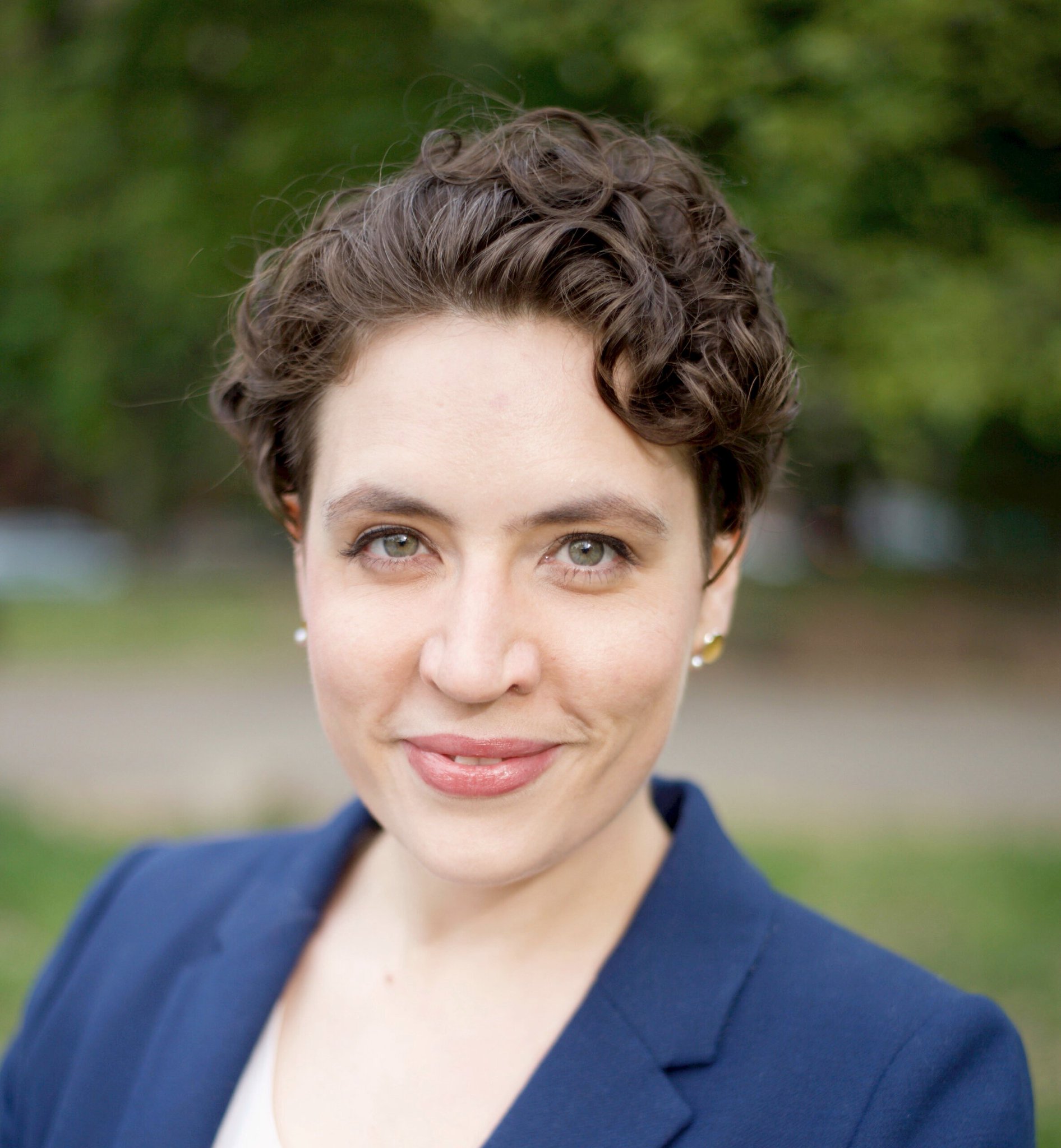
Source: Isabella Weber, UMass Amherst
The implication isn't that inflation is "transitory," as the Federal Reserve insisted for much of 2021 (far from it, in fact), but rather that understanding the real causes of inflation is the first step toward effectively stamping it out — and, ideally, doing so without tanking the economy through a series of blunt interest-rate hikes.
"I felt that the debate amongst economists was polarized between those who were saying, 'Oh, we don't have to worry about inflation too much, it's just transitory,' and those who were saying, 'Oh, inflation's really a problem, therefore we have to hike interest rates yesterday,'" Weber says. "And I felt like there was a position missing there, which is, yeah, we have very large price spikes, and they're a problem."
In her sights now is a wave of "sellers' inflation" emanating from companies that are using supply shocks and other disruptions as an excuse to collectively raise prices. This "excuseflation" idea is making headway among other economists, with a team of researchers at the Federal Reserve recently finding that both "strength of demand" and a desire to maintain "steady profit margins" may be motivating firms to raise their prices.
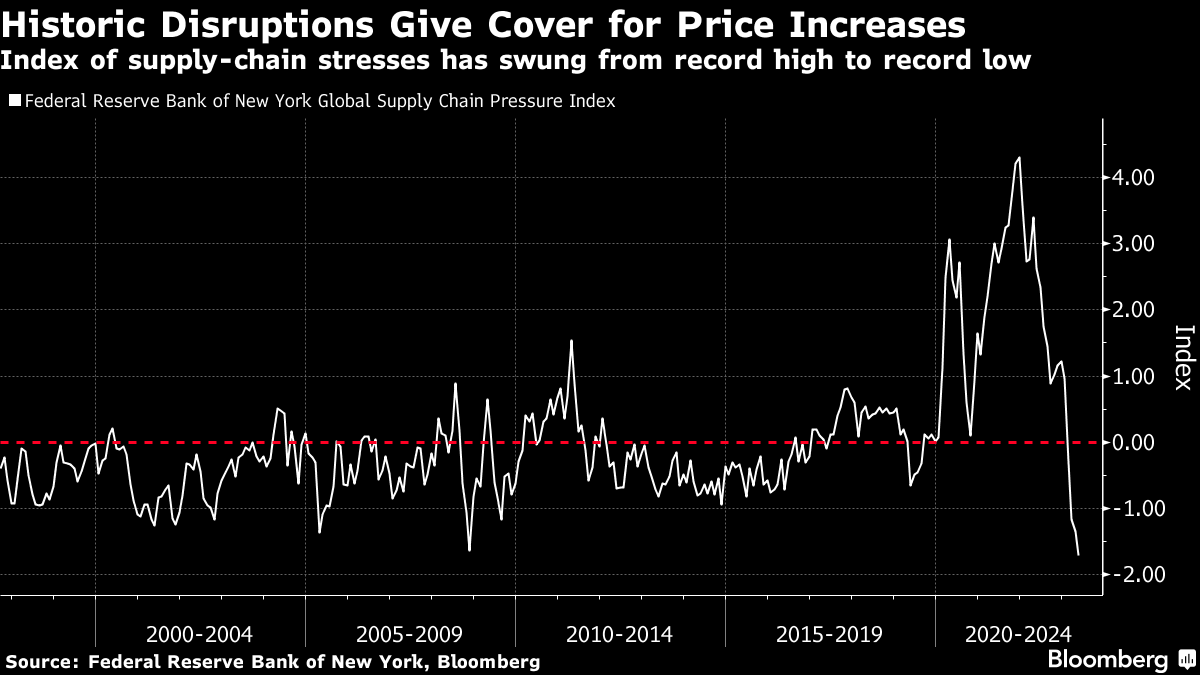
Whereas previously, companies might have been wary of unilaterally increasing their prices for fear of losing market share, a series of historic disruptions from the Covid-19 pandemic and Russia's invasion of Ukraine have effectively provided "cover" for them to raise prices together, Weber argues. Many businesses have since been pursuing a "price over volume" strategy, she notes, using a term borrowed from Corbu LLC strategist and Odd Lots guest Samuel Rines.
The worry now is that large corporations have taken the "price over volume" strategy to heart, and will roll it out even more quickly and forcefully in the event of new disruptions. Likewise, they may cling to higher prices even as disruptions begin to dissipate.
"We have now learned that in these emergencies, these pretexts that happen can present situations where prices can go up very quickly, and I think that if corporate leaders had to learn this this time, then next time around, they have a playbook in hand," Weber says. "They know how price-over-volume works, they know what to look for, they know what they did last time."
For that reason, Weber has advocated windfall profit taxes to dissuade this type of emergency price-gouging, as well as the potential creation of "shock absorbers" that might help economies weather systemically-important disruptions in things like oil and grain.
A windfall profit tax is "a mechanism that basically takes away the incentive to do a price-over-volume strategy," she explains. Without it, companies may be able to "increase prices so much that even when you're selling less, you still end up making more money."
"Now, of course, there can be situations where price-over-volume happens to just protect profit margins. So, a windfall profit tax would not happen for that. But we have seen situations where firms actually have managed to quite dramatically increase their margins with this kind of pricing behavior. So, it would kind of cut off the edge of that process, right? It would cut off what we are calling in our paper 'amplification.'"
While windfall profit taxes remain controversial, there have been some shifts in attitudes toward the idea of building up surpluses that can be deployed in times of price pressures, with the US in particular using its Strategic Petroleum Reserve over the past year in new ways to tamp down the cost of oil.
"Something like the Strategic Petroleum Reserve, which of course eventually was mobilized in 2022, if that had been mobilized sooner because there was a mindset on the part of policymakers to say oil prices going up — as they started going up in 2021 — is a real problem and has the potential to undermine price stability and economic stability, then they might have acted sooner and they might have acted more decisively."
"Now, it's of course not only about oil — it's also about gas, other sources of energy, it's about other forms of raw materials, and importantly also about grain," she adds.
And while the idea of strategic reserves might appear to be another heterodox idea, Weber points out that John Maynard Keynes was himself a fan.
When it comes to grain, "we ideally would need some sort of a coordinated international buffer stock, which is an idea that Keynes had for the Bretton Woods institutions," she says. "But that did not materialize. And there have been proposals like this in the seventies when, obviously, there were also very major commodity price cycles going on."
For Weber, the importance of thinking clearly about the drivers of inflation is in large part about avoiding perverse outcomes from attempts to combat it. "Sellers' inflation" doesn't absolve policymakers of the need to address it, but a strategy of interest-rate hikes can backfire if it further constrains supply.
"I would say that hiking interest rates is a recipe designed to bring down investment," Weber notes, citing the reluctance of US energy companies to expand capacity in recent months. Meanwhile, a surge in mortgage rates has also had only a modest effect on demand for housing, but caused homebuilders to slam the brakes on construction activity.
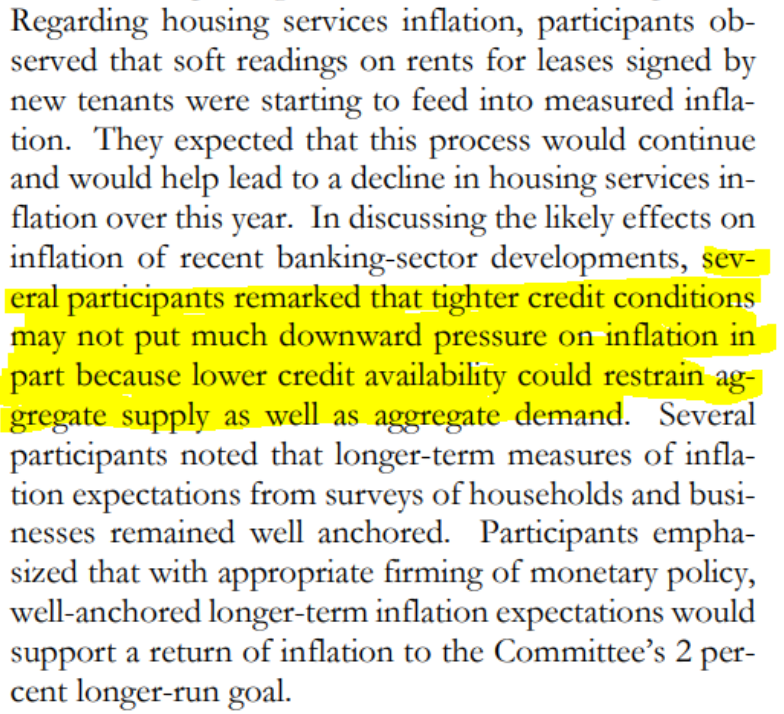
In a further sign that policymakers are beginning to explore this idea, this dynamic came up in the minutes of the most recent Fed meeting, with the idea of a supply-constraining effect of tighter monetary policy mentioned by by several participants.
Federal Reserve
For Weber, the goal is picking the right tools in order to avoid further amplifying supply chain issues and other disruptions through the broader economy.
"If you just look at it from the perspective of your standard inflation paradigm, then you basically just look at money supply, aggregate demand, and maybe wages," she says. "And you don't look at all this other stuff that you guys have been reporting about for months and months and months."
You can also view this episode on Bloomberg Originals, beginning Monday at 8 pm Eastern

0 件のコメント:
コメントを投稿