| ||||||||||||||||||||||||



 コストが下がっているにもかかわらず価格が上昇し、その水準が維持されれば、利益率は増加します。
これは、価格がロケットのように上昇し、たとえ下落するとしても羽のように下落するという典型的な現象です。
一部のセクターは売り手インフレの段階にある。
@petercoy @nytimes
| ||||||||||||||||||||||||
| ||||||||||||||||||||||||
コストが下がっているにもかかわらず価格が上昇し、その水準が維持されれば、利益率は増加します。
| ||||||||||||||||||||||||
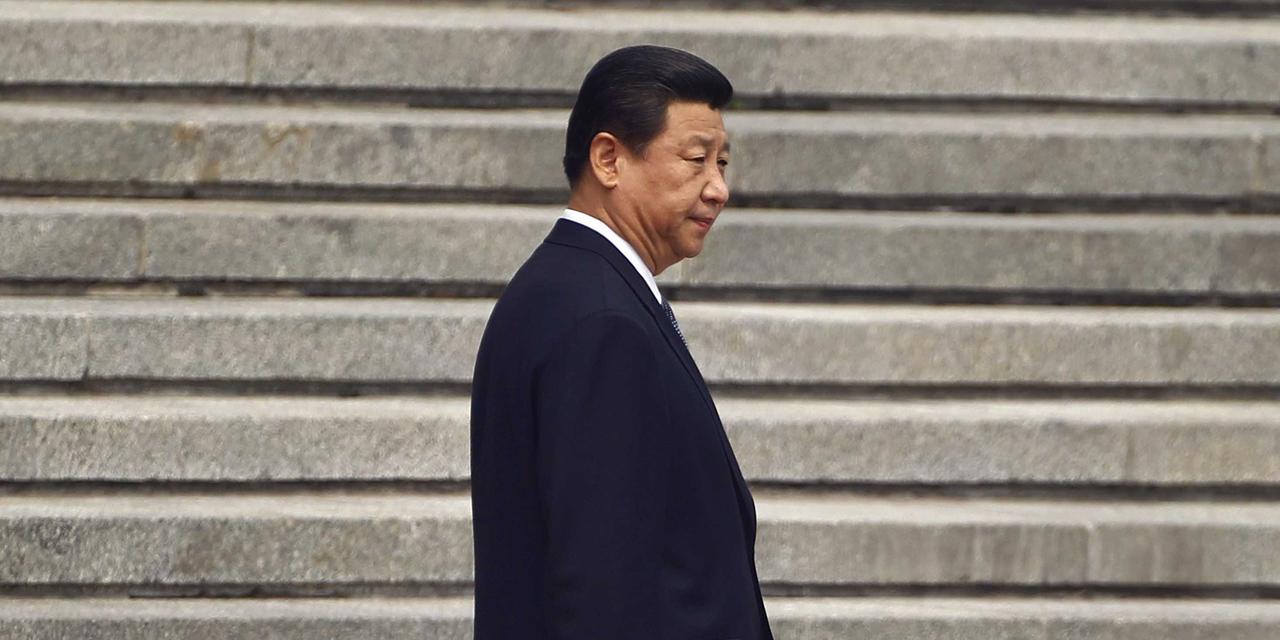
「中国は最近失速しているように見えることから、将来的に日本のような道を歩むのではないかと言う人もいる。それに対する私の答えは『おそらくそうはならない。中国はもっと悪くなるだろう』だ」
日本経済が低迷したのは、現在中国が直面しているのと同じような人口問題によるところが大きいとクルーグマンは言う。
少子化と移民の少なさによって、日本の労働人口は2000年代に入って急速に減少した。それが日本経済への投資の低迷を招き、債務残高の増加に拍車をかけた。
中国の労働人口もまた、高齢化が進み、若年労働者が雇用確保に苦しむ中で減少している。中国政府のデータによると、前四半期の若年層の失業率は21%と過去最悪を記録した。
それに加え、中国はアンバランスな経済にも苦しんでおり、パンデミック後も需要がなかなか回復していないとクルーグマンは言う。製造業は5月に縮小し、中国経済の約5分の1を占める不動産も停滞している。
こうした要因から、専門家たちは中国の将来について警鐘を鳴らしている。とりわけ「中所得国の罠」に陥る可能性があるとクルーグマンは指摘する。これは新興国に見られる現象で、ある時点まで経済が急成長し、その後、停滞するというものだ。
「中国が景気減速に向かうとすれば、興味深いのは、日本の『社会的結束力』、すなわち大衆の苦しみや社会的不安定を伴わずに低成長を管理する能力を中国が再現できるかどうかだ。私は中国の専門家ではない(のでよく分からないが)、中国がこのように不安定な権威主義政権のもとで、これをやり遂げることができるという兆候はあるのだろうか」
他の専門家たちは、中国経済の回復がいまだ期待外れであることから、中国経済が危機に瀕していると警告している。あるシンクタンクによると、需要が低迷を続ける中、中国の再開に向けての取り組みは「失敗する運命にある」とし、また別の専門家は再開の試みを「見せかけ」と評している。
| ||||||||||||||||||||||||
| ||||||||||||||||||||||||

| ||||||||||||||||||||||||
| ||||||||||||||||||||||||

The world faces a new era of "global boiling", the head of the UN has warned, as scientific forecasts showed that July is expected to be the hottest month ever recorded.
"The era of global warming has ended; the era of global boiling has arrived," António Guterres, UN secretary-general, said on Thursday.
The global average temperature this month has at times been about 1.5C higher than it was before human-induced warming set in, according to the EU's Copernicus Climate Change Service. The first three weeks of July were the warmest such stretch on record, with the month now "extremely likely" to be the hottest ever, it said.
The hottest single day ever recorded was July 6, while the global mean temperature temporarily exceeded 1.5C above pre-industrial levels during the first and third week of the month, the group said.
The global average sea surface temperature had also been "well above previously observed values for the time of the year" since May, said Copernicus.
Copernicus director Carlo Buontempo said it was "more probable than not" that the next few months would also break temperature records for the time of year, adding that the hottest 21 days recorded had all occurred in July.
"All this is entirely consistent with predictions and repeated warnings. The only surprise is the speed of the change. Climate change is here. It is terrifying. And it is just the beginning," said Guterres, adding, "the level of fossil fuel profits and climate inaction is unacceptable."
A temporary breach of the 1.5C threshold is not a breach of the Paris Agreement, which commits countries to strive to limit long-term warming to 1.5C above pre-industrial levels, defined as the 1850-1900 period. Temperatures have risen at least 1.1C on that basis, the UN Intergovernmental Panel on Climate Change has found.
It is not the first time that the global mean temperature has temporarily crossed the 1.5C threshold for a month, however, with instances occurring in previous years including 2016 and 2020, according to Copernicus.
Scientists say that extreme weather events including floods and heatwaves will become more frequent and intense with every fraction of a degree of warming.

Earlier this month, the World Meteorological Organization said data indicated that the month of June had been the hottest on record.
The UN agency on Thursday confirmed its forecast of a 98 per cent likelihood that "at least" one of the next five years would be the warmest ever.
It has previously predicted a 66 per cent chance that the annual global mean temperature would temporarily rise above 1.5C in "at least" one year by 2027.
The WMO noted that extreme weather impacts were increasing in Asia, which was the world's "most disaster-prone region" and was warming faster than the global average.
Large areas of Europe, the US and Asia are roasting this summer, with records broken in places including Xinjiang in China, which hit 52.2C, and Rome in Italy, which hit 41.8C.
In the US, Phoenix, Arizona, has suffered 26 consecutive days of more than 43.3C (110F), a record.
The simultaneous heatwaves fuelled by a specific jet stream pattern that creates a series of "heat domes" have sparked wildfires in Greece and led to heat-related fatalities in countries including the US, Mexico and Italy.
The Copernicus findings tallied with preliminary analysis by Karsten Haustein, a climate scientist at Leipzig university, indicating that the average July global temperature was about 1.3-1.7C higher than the same month in the pre-industrial era.
The month was about 0.2C warmer than July 2019, which was previously the warmest on record, he calculated.
Zeke Hausfather, a research scientist at Berkeley Earth, said July's "exceptionally warm temperatures" made it "increasingly likely that 2023 will be the warmest year since records began", surpassing the previous 2016 record.
He added that his own research into the July heat had produced similar results to Haustein's, with the conclusion that the month would beat the previous July record by about 0.3C, a "stunning" margin.
Scientists expect this year and next to be unusually warm in part as a result of the developing El Niño weather phenomenon that is associated with the warming of the Pacific Ocean's surface temperature.
"Since the effects of El Niño only fully emerge in the second half of the year, June — and now July — are likely followed by more record warm months up until at least early 2024," said Haustein. His temperature analysis was conducted using data from the US National Oceanic and Atmospheric Administration.
Also on Thursday, the Met Office concluded that last year was the UK's warmest on record, but by 2060 such a year would be considered "average" and by 2100 such a year would be considered "cool" if the world keeps warming.
Where climate change meets business, markets and politics. Explore the FT's coverage here.
Are you curious about the FT's environmental sustainability commitments? Find out more about our science-based targets here
| ||||||||||||||||||||||||