2021年8月30日月曜日

愛と盗難:将来のための当座貸越施設:債務は決して彼らの評判ほど悪くはありません-経済-Tagesspiegel Mobil

愛と盗難:将来のための当座貸越施設:債務は決して彼らの評判ほど悪くはありません-経済-Tagesspiegel Mobil

債務はその評判ほど悪くはありません

国家債務は毎秒165ユーロ増加し、ベルリンのフランゾシシェ通りの債務時計を示しています。 ピクチャーアライアンス/ dpa

ドイツの円卓会議でしばしば主張されていることとは反対に、国債自体は悪くありません。社会学者ローレンツ・フォン・シュタインは、彼が書いた1871年早けれとしてこれを認め:「状態を公的債務ずにその将来のために少なすぎるんか、それはその存在からあまりにも多くの要求のいずれかの」マニフェストショーこの引用がどのように関連する11人の科学者のグループ六月インチ研究- 「国家債務の対象に無思考を自分の禁止またはその他」の呼びかけ-フライブルクエコノミストラースP.フェルドとベルリンの経済史家カール・ルートヴィヒHoltfrerich含みます。いくつかの偏見に反して、「国の債務それ自体は必ずしも国家と社会に有害である必要はない」。

一方、債権者は、私たちが国の債務を子供たちに遺贈することによって子供たちに課す負担について常に主張しています。しかし、彼らは借金で何が行われているのかを無視しています。たとえば、新しい高速道路、ITネットワーク、幼稚園、学校、大学は、債務がなければ財政的に実現可能ではありません。このような支出は、将来の重要な投資です。将来の世代は特にそれらから恩恵を受けるでしょう。したがって、今日の納税者だけでなく、その子孫も負担するのは公正なことです。したがって、私たちは子供たちに借金を遺贈するだけでなく、とりわけインフラの形で多くの富を遺贈します。


将来の当座貸越ファシリティ:債務は決して評判ほど悪くはありません-経済-Tagesspiegel Mobil

債務はその評判ほど悪くはありません

国家債務は毎秒165ユーロ増加し、ベルリンのフランゾシシェ通りの債務時計を示しています。 ピクチャーアライアンス/ dpa

ドイツの円卓会議でしばしば主張されていることとは反対に、国債自体は悪くありません。社会学者ローレンツ・フォン・シュタインは、彼が書いた1871年早けれとしてこれを認め:「状態を公的債務ずにその将来のために少なすぎるんか、それはその存在からあまりにも多くの要求のいずれかの」マニフェストショーこの引用がどのように関連する11人の科学者のグループ六月インチ研究- 「国家債務の対象に無思考を自分の禁止またはその他」の呼びかけ-フライブルクエコノミストラースP.フェルドとベルリンの経済史家カール・ルートヴィヒHoltfrerich含みます。いくつかの偏見に反して、「国の債務それ自体は必ずしも国家と社会に有害である必要はない」。

私たちは債務を遺贈するだけでなく、重要なインフラストラクチャも遺贈します

一方、債権者は、私たちが国の債務を子供たちに遺贈することによって子供たちに課す負担について常に主張しています。しかし、彼らは借金で何が行われているのかを無視しています。たとえば、新しい高速道路、ITネットワーク、幼稚園、学校、大学は、債務がなければ財政的に実現可能ではありません。このような支出は、将来の重要な投資です。将来の世代は特にそれらから恩恵を受けるでしょう。したがって、今日の納税者だけでなく、その子孫も負担するのは公正なことです。したがって、私たちは子供たちに借金を遺贈するだけでなく、とりわけインフラの形で多くの富を遺贈します。

借金の額よりも重要なのは、借りたお金を何に使うかです。あなたが委託されたお金を浪費するとき、それが間違ったプロジェクトに入るとき、借金には常に問題があります。それで、あまりにも多くのアメリカ人が彼らが買うことができない不動産ローン借りたので、金融危機が起こりましそして銀行がこれらのリスクをヘッジファンドに売り渡したからですそのような進展を防ぐことは、金融監督当局の任務です。それは、債務が実際に国民経済に望ましい効果をもたらすことを確実にしなければなりません。そうでなければ、危機が広がることがすぐに起こります-銀行が突然お互いにお金を貸したくなくなった2008年のように。結局のところ、すべてのローンは信頼のビジネスです。それが失われると、それは危機につながります。

ギリシャは再び借金に値するようになるために散髪が必要です

これはギリシャの例で非常に明確になります。国は混乱しています- 他の多くの国の一人当たりの債務は大幅に高いですが:たとえば、オーストリア、アイルランド、スイス、または米国。しかし、ギリシャとは異なり、これらの債務国は依然として投資家の信頼を享受しており、新たな債務を引き受けることに問題はありません。したがって、厳密に言えば、ギリシャで私たちが観察しているのは、債務危機ではなく、自信の危機です。あまりにも長い間、国は弱い競争力と高水準の汚職を無視し、借りたお金で肥大化した国家機構に資金を提供し、さらに創造的な簿記でその数字を飾りました。現在、改革の意志の証拠を要求することにより、他のEU加盟国は信頼を回復しようとしています。重要だが骨の折れる仕事。

それが成功するかどうかはまだ分からない。ギリシャが新たなスタートのために実際に散髪を必要としている可能性がありますそれは投資家にとっては迷惑であり、ギリシャ人にとっては大変なことです。しかし、ばかげているように聞こえるかもしれませんが、散髪は、長期的には国が再び借金に値するようになるのを助ける可能性があります。ギリシャにも借金が必要だからです。経済を後押しし、成長を後押しする良い債務。この観点から見ると、巧妙に使われた新しい債務はギリシャにとってチャンスとなるでしょう。新しい始まり。


Dispo für die Zukunft: Schulden sind längst nicht so schlecht wie ihr Ruf - Wirtschaft - Tagesspiegel Mobil

Dispo für die Zukunft: Schulden sind längst nicht so schlecht wie ihr Ruf - Wirtschaft - Tagesspiegel Mobil

Schulden sind längst nicht so schlecht wie ihr Ruf

Um 165 Euro steigt die Staatsverschuldung pro Sekunde an, zeigt die Schuldenuhr in der Französischen Straße in Berlin. picture alliance / dpa

Anders als an deutschen Stammtischen gerne behauptet wird, sind Staatsschulden nicht per se schlecht. Der Soziologe Lorenz von Stein hat das schon 1871 erkannt, als er schrieb: „Ein Staat ohne Staatsschuld tut entweder zu wenig für seine Zukunft, oder er fordert zu viel von seiner Gegenwart." Wie aktuell dieses Zitat ist, zeigt ein Manifest, das eine Gruppe von elf Wissenschaftlern im Juni vorgelegt hat. Die Forscher – darunter der Freiburger Ökonom Lars P. Feld und der Berliner Wirtschaftshistoriker Carl-Ludwig Holtfrerich – rufen dazu auf, „sich selbst und anderen zum Thema Staatsschulden keine Denkverbote zu verordnen". Entgegen manchem Vorurteil müsse „Staatsverschuldung als solche nicht notwendig nachteilig für Staat und Gesellschaft sein".

Wir vererben nicht nur Schulden sondern auch wichtige Infrastruktur

Die Kreditgegner argumentieren dagegen stets mit der Last, die wir unseren Kindern aufbürden, in dem wir ihnen unsere Staatsschulden vererben. Sie ignorieren dabei jedoch, was mit den Schulden geschaffen wird. Zum Beispiel wären neue Autobahnen, IT-Netze, Kindergärten, Schulen oder Universitäten ohne Schulden kaum finanzierbar. Dabei sind gerade solche Ausgaben wichtige Investitionen in die Zukunft. Von ihnen profitieren künftige Generationen besonders stark. Entsprechend ist es nur gerecht, wenn nicht allein die heutigen Steuerzahler die Kosten dafür tragen, sondern auch die Nachfahren. Unseren Kindern vererben wir somit nicht nur Schulden sondern vor allem eine Menge Vermögen in Form von Infrastruktur.

Wichtiger als die Höhe der Schulden ist die Frage, wofür man das geliehene Geld ausgibt. Probleme gibt es mit den Schulden immer dann, wenn man das anvertraute Geld verschwendet, wenn es in die falschen Projekte fließt. So ist die Finanzkrise entstanden, weil zu viele Amerikaner Immobilienkredite aufgenommen haben, die sie sich nicht leisten konnten. Und weil die Banken diese Risiken an Hedgefonds weiterverkauft haben. Eine solche Entwicklung zu verhindern, ist Aufgabe der Finanzaufsicht. Sie muss darauf achten, dass Verschuldung tatsächlich den volkswirtschaftlich gewünschten Effekt hat. Denn sonst passiert es schnell, dass sich eine Krise ausbreitet – wie 2008, als die Banken sich plötzlich nicht einmal mehr gegenseitig Geld leihen wollten. Schließlich ist jeder Kredit ein Geschäft mit dem Vertrauen. Geht es verloren, führt das in die Krise.

Griechenland braucht einen Schuldenschnitt, um wieder schuldenfähig zu werden

Ganz deutlich wird das am Beispiel Griechenlands. Das Land steckt in der Bredouille – obwohl die Pro-Kopf-Verschuldung in vielen anderen Staaten deutlich höher ausfällt: etwa in Österreich, Irland, der Schweiz oder den USA. Doch anders als Griechenland genießen diese Schuldenstaaten noch immer das Vertrauen ihrer Investoren und haben keine Probleme, neue Schulden aufzunehmen. Was wir in Griechenland beobachten, ist deshalb streng genommen keine Schuldenkrise – sondern eine Vertrauenskrise. Zu lange hat das Land die schwache Wettbewerbsfähigkeit und die hohe Korruption ignoriert, mit dem geliehenen Geld einen aufgeblähten Staatsapparat finanziert und noch dazu mit kreativer Buchführung seine Zahlen geschönt. Indem die übrigen EU-Staaten nun Beweise für den Reformwillen einfordern, versuchen sie das Vertrauen wiederherzustellen. Ein wichtiges, aber mühsames Unterfangen.

Ob es gelingt, wird sich zeigen. Womöglich braucht Griechenland für einen Neuanfang tatsächlich einen Schuldenschnitt. Für die Anleger wäre das ärgerlich, für die Griechen hart. Doch so abstrus es klingen mag: Ein Schuldenschnitt könnte dem Land langfristig helfen, überhaupt wieder schuldenfähig zu werden. Denn auch Griechenland braucht Schulden. Gute Schulden, die die Wirtschaft ankurbeln, das Wachstum stärken. So gesehen wären neue, schlau eingesetzte Schulden eine Chance für Griechenland. Ein Neuanfang.


iPhoneから送信

ローレンツ・フォン・シュタイン - Wikipedia

ローレンツ・フォン・シュタイン - Wikipedia

ローレンツ・フォン・シュタイン

ローレンツ・フォン・シュタインLorenz von Stein1815年11月18日 - 1890年9月23日)は、ドイツ法学者思想家フランス初期社会主義共産主義思想、並びにプロレタリアート概念をドイツにおいて、初めて学術的にまとまった形で紹介した。

ローレンツ・フォン・シュタイン

略歴

シュタインはキールにおいてヘーゲル法哲学、歴史法学を学び、イェーナベルリンで学んだ後、1841年10月から1843年3月までパリに留学し、フランス法制史を学びつつ、そこでコンシデランプルードンブランカベといった社会主義者・共産主義者らと交わり、そこで得た知識を元に1842年に『今日のフランスにおける社会主義と共産主義』を著した。また、国法学行政学の立場からはパンデクテン法学によって統一法体系を作ろうとしたプロイセンドイツ帝国)の法政策を批判した。

キール大学在職中、シュレースヴィヒ=ホルシュタインデンマークからの独立運動に参加。ドイツ海軍設立委員として活躍する。しかし運動敗北後、彼は大学を追放された。その後、シュタインはウィーン大学において職を得て、国法学者・行政学者・財政学者として名声を博した。更にシュタインはジャーナリズムにも関わり、多くの新聞や雑誌に学術論文や時事論文を掲載している。

思想・影響

伊藤博文にドイツ式の立憲体制を薦めて、大日本帝国憲法制定のきっかけを与えた人物としても知られている。1882年憲法事情研究のためにヨーロッパを訪れていた伊藤博文は、ウィーンのシュタインを訪問して2ヶ月間にわたってシュタイン宅で国家学の講義を受けた。その際、日本が採るべき立憲体制について尋ねたところ、プロイセン(ドイツ)式の憲法を薦めた(なお、この際に伊藤は日本政府の法律顧問として招聘したいと懇願しているが、高齢を理由に辞退して代わりになる候補者を推薦している)。ただ、シュタイン自身はドイツの体制には批判的であり、日本の国情・歴史を分析した上で敢えてドイツ憲法を薦めている。また、実際に制定された大日本帝国憲法の内容にはシュタイン学説の影響は少ない。これには伊藤とともに憲法草案を執筆した井上毅がシュタインに批判的であったことが大きな要因であるものの、伊藤にドイツ式を選択させた背景にはシュタインの存在が大きい。

シュタインは山縣有朋が意見書 「外交政略論」の中で述べた概念である主権線、利益線に影響を与えた[1]

また、カール・マルクスは1842年のシュタインの著作『今日のフランスにおける社会主義と共産主義』から社会主義・共産主義思想を学び、私淑しながらも自らの思索を深めていった。しかしシュタインは、同時代人としての弟子マルクスを数多い著作において一貫して無視しつづけている。

著作

  • 今日のフランスにおける社会主義と共産主義』(Der Sozialismus und Kommunismus des heutigen Frankreich, Leipzig 1842, 2. Aufl. 1847)
  • 『第三フランス革命以降の社会主義運動と共産主義運動』(Die sozialistischen und kommunistischen Bewegungen seit der dritten französischen Revolution, Stuttgart 1848)
  • 『1789年から現代までのフランスにおける社会運動史』(Geschichte der sozialen Bewegung in Frankreich von 1789 bis auf unsre Tage, Leipz. 1850, 3 Bde.)
  • 『社会の概念』(Le Concept de société ["Der Begriff der Gesellschaft", erster Teil der Geschichte der sozialen Bewegung in Frankreich 1850]. Ins Französische [in Auszügen] übersetzt von Marc Béghin. Mit einer Einleitung und Bibliographie hrsg. von Norbert Waszek. Grenoble, ELLUG, 2002. 256 S. ISBN 2-84310-037-2.)
  • 『フランスの国家・法の歴史』(Französische Staats- und Rechtsgeschichte, Basel 1846-48, 3 Bde.)
  • 『国家学体系』(System der Staatswissenschaft, Bd. 1: Statistik etc., Basel 1852; Bd. 2: Gesellschaftslehre, Basel 1857)
  • 『オーストリアの貨幣制度と信用制度の新形態』(Die neue Gestaltung der Geld- und Kreditverhältnisse in Österreich, Wien 1855)
  • 『国民経済学教本』(Lehrbuch der Volkswirtschaft, Wien 1858; 3. Aufl. als „Lehrbuch der Nationalökonomie", 3. Aufl. 1887)
  • 『財政学教本』(Lehrbuch der Finanzwissenschaft, Leipzig 1860; 5. Aufl. 1885-86, 4 Bde.)
  • 『軍制学』(Die Lehre vom Heerwesen, Stuttg. 1872)
  • 『行政學』渡邊廉吉譯、信山社出版、2007年
  • 『行政學』渡邊廉吉譯、元老院1887年

脚注

出典

  1. 加藤陽子『戦争の日本近現代史』講談社現代新書2002年3月 85頁

外部リンク

関連項目

この項目は、哲学に関連した書きかけの項目です。この項目を加筆・訂正などしてくださる協力者を求めていますPortal:哲学)。


iPhoneから送信

マッツカート2021

https://twitter.com/_JD_Black/status/1114175505069150210?s=20 https://twitter.com/_JD_Black/status/1114175505069150210?s=20

 https://twitter.com/_JD_Black/status/1114175505069150210?s=20マッツカート2021

https://youtu.be/nuPye1xZyOo

https://twitter.com/_JD_Black/status/1114175505069150210?s=20

Economist Mariana Mazzucato totally shows up tit-expert Toby Young on taxation here. And why is Tory Young bragging about the increase in education spending under Labour? #GeneralElectionNow
JD BLACK🥀(ジェイディーブラック
@_JD_Black
-
2019年4月5日
エコノミストのマリアナ・マズカートは、ここで税金についておっぱい専門家のトビー・ヤングに完全に見せつけています。

そして、なぜトビー・ヤングは労働党の下で教育費が増えたことを自慢しているのか?

#総選挙なう


M:

 it's about value and that turned into a theory of price today we have you know we only put into gdp things that have a price so if you marry your cleaner gdp will go down if you pollute gdp will go up i'll let your viewers consider that but the real question is you know when we have a financial sector as i was mentioning before that basically just finances itself so finance insurance and real estate so only 10 percent of the financial sector actually finds its way into the real economy to industry.

 you know that's what we should be talking about in this country when you have a corporate governance structure which has been spending more in areas like share buybacks and dividend payouts then and reinvesting back into the workforce investing into r d you don't get that kind of long run growth.

and as also i mentioned before the fact that we have consumption-led growth where that consumption has been fueled by private debt so the level of private debt is at record levels uh compared to disposable income that's what caused the financial crisis even though we obsessed about public debt.

 and if you do have a general election that's what we should be talking about and surprise surprise that has nothing to do with the european union.

C:

 well as i understand it mariana calls in her book for more state intervention facebook innovation.

 i read the press release um but what about what about valuing the state as a driver of the economy my problem with more state intervention rather than less is that um as as john just pointed out um uh no one has any confidence that the state politicians this is the 19th century to actually intervene corbyn is criticized for being.

M:

 like 1970s this is 1970s what we're hearing from toby is the old debate about the state versus the market.

C:

 you you want to raise taxes you just have like this 

M:

with the speech that you would probably say with any book.

 C:

i thought your proposal is look um businesses should pay more because uh they are using infrastructure which they haven't paid for and these things haven't been properly valued they should be paying more taxes in their presence so the government can spend more money on big projects but look at hs too look at that look at look at the roll outs of um of universal credit the government when it tries to get involved in these big expensive tech projects completely messes them up look at the mess they're doing .

M:

what the book says in this area is that we often confuse the word market with the private sector the private sector is very important but markets are not the same thing as business markets are the outcomes of how different types of businesses different types of public institutions including the bbc third sector institutions come together and interact.

 M:

 それは価値のことであり、それが価格の理論へと変化したのです。今日、私たちは価格のあるものだけをGDPに計上しています。つまり、もしあなたがクリーナーと結婚すればGDPは下がり、もしあなたが汚染すればGDPは上がるということです。

 私たちがこの国で話すべきことは、自社株買いや配当金の支払いなどに多くの費用を費やし、労働力への再投資やR&Dへの投資を行っている企業統治構造では、このような長期的な成長は望めないということなのです。

前にも述べましたが、消費主導型の成長では、消費は民間の負債によって促進され、可処分所得に比べて民間の負債額は記録的な水準にあります。

 そして、もし総選挙が行われるとしたら、それは私たちが話すべきことであり、驚くべきことに、それは欧州連合とは関係ありません。

C:

 私の理解では、マリアナは著書の中で、「facebook innovation」にもっと国家が介入すべきだと言っています。

 私はプレスリリースを読みましたが、経済の牽引役としての国家を評価することについてはどうでしょうか。国家の介入を減らすのではなく増やすことについての私の問題点は、今Johnが指摘したように、誰も国家の政治家が今は19世紀なのだから実際に介入することに自信を持っていないということです。

M:

 1970年代のような、これは1970年代の話ですが、トビーから聞こえてくるのは、国家対市場についての古い議論です。
C:

 あなたは増税したいのでしょうか?

M:

どんな本を読んだ発言ですか?

C:
あなたの提案は、企業がもっと税金を払うべきだ、というものだと思いました。なぜなら、企業は未払いのインフラを使っているし、それらが適切に評価されていないからです。企業がもっと税金を払うことで、政府は大きなプロジェクトにもっとお金を使うことができるようになるはずです。しかし、HSもそうですし、ユニバーサル・クレジットの展開もそうです。政府がこのような高額なハイテクプロジェクトに関与しようとすると、完全に台無しになってしまいます。

M:

この分野で本が述べているのは、私たちはしばしば市場という言葉と民間部門を混同しているということです。民間部門は非常に重要ですが、市場はビジネスとは別物です。市場とは、BBCの第三セクター機関を含むさまざまなタイプのビジネスや公的機関がどのように集まり、相互に作用するかの結果です。


www.DeepL.com/Translator(無料版)で翻訳しました。

就業形態別時間当り実質賃金(1993年を100)

294 名無しさん@お腹いっぱい。[sage] 2021/08/30(月) 08:28:05.80 ID:zaneHdCx
就業形態別時間当り実質賃金(1993年を100)
http://or2.mobi/data/img/276948.png

帳簿の世界史 (文春文庫) | ジェイコブ・ソール, 村井 章子 | 世界史 | Kindleストア | Amazon

帳簿の世界史 (文春文庫) Kindle版

「権力とは財布を握っていることである」

アダム・スミス、カール・マルクス、マックス・ウェーバー……。
彼らが口を揃えて主張していた「帳簿」の力とは、一体何なのか。

これまでの歴史家たちが見逃してきた「帳簿の世界史」を、
会計と歴史のプロフェッショナルが初めて紐解く。

・なぜスペイン帝国は栄え、没落したのか。
・なぜフランス革命は起きたのか。
・なぜアメリカ独立は成功したのか。
・なぜ日本は急速に列強へ追いつくことができたのか。

その歴史の裏には全て、帳簿を駆使する会計士たちがいた!

【目次】
■序 章 ルイ一六世はなぜ断頭台へ送られたのか
■第1章 帳簿はいかにして生まれたのか
■第2章 イタリア商人の「富と罰」
■第3章 新プラトン主義に敗れたメディチ家
■第4章 「太陽の沈まぬ国」が沈むとき
■第5章 オランダ黄金時代を作った複式簿記
■第6章 ブルボン朝最盛期を築いた冷酷な会計顧問
■第7章 英国首相ウォルポールの裏金工作
■第8章 名門ウェッジウッドを生んだ帳簿分析
■第9章 フランス絶対王政を丸裸にした財務長官
■第10章 会計の力を駆使したアメリカ建国の父たち
■第11章 鉄道が生んだ公認会計士
■第12章 『クリスマス・キャロル』に描かれた会計の二面性
■第13章 大恐慌とリーマン・ショックはなぜ防げなかったのか
■終 章 経済破綻は世界の金融システムに組み込まれている
■日本版特別付録 帳簿の日本史(編集部)
■解説 山田真哉


第10章 会計の力を駆使したアメリカ建国の父たち

 「権力とは財布を握っていることだ」。アメリカ建国の父たちの一人、ハミルトンはこう喝破した。複式簿記を郵政会計に導入したフランクリン、奴隷も個人帳簿に計上したジェファーソン。彼らはみな会計の力を信じた。


カスタマーレビュー

この本としては、複式簿記の発生をヨーロッパとしているが、実は遠方交易をしていたイスラム商人やユダヤ商人の説もあるという。
私的にはイスラム商人や東洋の貿易商人のことも書いて欲しかった。無理な要求だろうか?
日本でも複式簿記によく似た帳簿がすでに江戸時代にあったことは知らなかった。なるほど、だから近代国家としてすぐに変貌できたわけだ。
「ずる」が横行する中国の様な国や、発展途上国で長期的な企業として発展しないのもこの地道な仕事が出来ないからだろう。
私はどこでこの複式簿記が発生したかに興味はないのだが、帳簿を取るということは節約・節制を無意識レベルで行うことに他ならない。

重要なのは、これが一時期有名になったカロリーを全て帳簿付けする岡田 斗司夫 「  
レコーディング・ダイエット決定版  」があったが、これと同じことが会社の経営でも行うと、企業の動きがリアルに分かるという大きな利点が生まれる(けれど、カロリー制限は脳の栄養素まで削り、その反動でリバウンドの危険があるので、最近は糖質制限の方が望ましいのは言うまでもない)。現代のIT技術で、原価計算をIot等を駆使すればリアルタイムに把握できるはずで、私の知っている会社では原価計算が公開されていて、利益率や生産高が全部各従業員に見ることが出来るらしい。
こうなると各従業員で競争原理が働いて良好な生産性の向上が促されるという。大手企業でも取り入れられているが、こういう会社で独創的な人材が育つこともこれまた少なくなるので、諸刃の刃だろうとは思うが。

しかし、この本で書かれている論点はそこではない。歴史を通じて、多くの人は、無意識にでも「ずる」をしたがるのか、ということに尽きている。

ダン・アリエリー「  
ずる――噓とごまかしの行動経済学  」という良著がある。
この本がその疑問にほとんど応えてくれている。「熟慮的な論理的思考力が支配されると、衝動システムが行動を支配する様になる」
つまりフラストレーションを貯めると欲求に屈しやすくなるということだ。精神的な「過剰」を貯め込めば、どこかで「蕩尽」されることになる。ジョルジュ・バタイユ「  
呪われた部分  」を読めば、浪費こそ「労働」だったとわかる。

無意識の衝動を制御する「方法」、計算可能性を照合する方法として「簿記」は極めて有効ではあるが、人間の「欲望」を制御するにはあまりにも面倒くさい方法である。ウェッジウッドの様な企業家、ベンジャミン・フランクリン(最終的には欲望に屈したが)の様な人は精神のコントロールする方法が、文字に書きだすことでしかないことに気づいたからこそ有能なのだが、その意思が習慣化されるまでになっていたことが偉大なのだ。現代ならもっと楽にそういうシステムが組めそうだが、外部の会計士がまず逐一チェックしてくれるか?公開帳簿に踏み切る勇気が今の企業の多くにあるか?

まあ今の人類の精神レベルでは不可能に近い(笑)。

推理で極論を言ってしまえば、文字が生み出されたのは、記録という「誇示」する欲望があったということではないか。最も当初は人口が集中した都市において税や資産を記録する必要から発生したかもしれない。「ずる」するという信用がならない人間の精神を、見抜いたからこそ記録する行為とそして「文字」が生まれたのだろう。この「ずる」は厄介だ。今後人間の最大の悩みの種はこれに集約されるに違いない。

P・S カルロス・ゴーンが逮捕されましたね(笑)。役員報酬が高すぎる批判があった上に、不正な会計操作までしていたとは。 


iPhoneから送信


Amazon.co.jp:カスタマーレビュー: 帳簿の世界史

2018年7月25日に日本でレビュー済み

 ある時期から、私にはある疑問があった。それは「日本は、なんで植民地にならずに近代化できたのだろう?→東アジアでは異様なほど経済が発達して、資本主義が理解できたからなのか?→でも、そもそも資本主義って何だろう?」というようなものでした。
 資本主義については、早い話が「西欧が、大航海時代に入り、世界中の海を走り回って経済行為を行うようになったが、そのため、かなり煩雑でリスキーな取引を行わざるを得なくなった。そのため、"帳簿"がかなり面倒くさくなり、しかも、資産も取引内容も"帳簿"でしか把握できないようになった。しかし、そのおかげで、巨大な資本を動かす術を身に着け、かつ、リスクをさけるためもあり、信用経済が発達し、資本主義が形成され、今日に至っている」というような解釈に至りました。そして、この本を読む限りにおいては、その解釈は正しかったのだろうと思うようになりました。
 日本の近代化については、イザベラ・バードの「朝鮮紀行」によると、当時(日清戦争前後)の朝鮮では、穴あき銅銭と行商人程度の経済しかないのに、ソウルにはすでに、日本の銀行(資本主義の象徴にして"帳簿"が命)がある。これを読んだとき、この恐るべきギャップは何なのだろうと思いました。
 中国については、岡本隆司の「近代中国史」によると、明代以後、政府権力の定めた貨幣価値など民間は信用しない。幕府に対する民間の高い信用があった日本とは大きな差があった。経済の政府保証がないから、信用が広がらない。広域経済ができない。広域経済ができないと銀行・証券業などが成立しない。どんな凄腕の華僑といえども、"自分の顔"の範囲でしか資金を集められない。すなわち、資本主義が育たない。
 例えば、日本だと、商家の旦那さんと番頭どんの信頼関係は"帳簿"。上方落語の「百年目」という噺では、旦那さんが堅いと思っていた番頭どん。それが、芸者も幇間も丸のみで遊んでいるところを目撃してしまう。すると旦那さんは夜通しかかって"帳簿"をみる。すなわち横領を疑い"会計監査"をする。
 幕府・諸藩からして、勘定奉行・勘定方がいて、"帳簿"を付けている。そのため狭い日本ながらも、全国的規模の信用経済が成立していた。それが、欧米の資本主義体制とリンクしたため、日本は植民地にならなかった。
 板谷俊彦の「日露戦争、資金調達の戦い」は、高橋是清がロンドンで日露戦争の資金調達をしてくる話ですが、当時の日本経済の信用力がないと成立しない話です。資源も大した産業もないのですから、"帳簿"が信用できる社会ということしかなかったのではないかと思います。戦後日本の復興と隆盛も同じだと思います。
 ついでに言えば、北米と南米の差は、"帳簿"が信用できるか、できないかの差のようにも思えてきます。産油国が先進国になれないのも"帳簿"をきちんとつけられる社会ではないから・・・
 こういう本が出たのだから、この話をもっと広げて誰か書いてくれないだろうか。結構、面白いと思うのだが。 

本書は世界史を帳簿(会計)の視点から考察するという今迄になかった画期的な歴史本です。
現代では、企業会計、国の財政など、帳簿=会計がなければ成り立たないことは誰もが認識していますが、
西欧史を紐解くと、会計の必要性は必ずしも理解されていなかったことがわかります。

中世のイタリア商人により考案された複式簿記は、なかなか西欧世界に根付きませんでした。

蓄財を良しとしないキリスト教(カトリック)文化、地道な作業がエリートたちの貴族趣味と相容れなかったこと、統治者や君主にとって、財務の開示は抵抗があったこと、などが背景としてあげられています。
共和政とは相性がよく、オランダの繁栄に繋がりました。

「太陽の沈まない帝国」スペインでは、植民地から莫大な富が流入するもかかわらず、帳簿をつけないため、経営にかかるコストが把握できていませんでした。

フランスの絶対王政最盛期のルイ14世は、はじめはポケットにミニ帳簿を忍ばせて歩くほど、簿記に関心を持ちましたが、そのうち嫌になってしまいます。
(戦費が嵩むなど、見たくないものを見なければならないため)
ルイ16世の時代になり、国の財政状態がはじめて国民に開示されますが、革命が勃発してしまいます。

イギリスでは、産業革命による資本主義の発達とともに、会計が浸透していきます。

アメリカでは、鉄道の敷設による会計の複雑化から、はじめて「会計士」という職業が生まれました。

など、非常に簡略化するとこのようなことが他にもいろいろ書かれていて、
「会計が文化の中に組み込まれていた社会は繁栄する」p362
ということに尽きます。
様々な興味深いエピソードがあり、、個性的な人物も登場します。

フランス革命あたりが佳境ですが、私が個人的に面白いと感じたのは、フランスとイギリスとほぼ同時期に起きた投機バブルについての、両国の対応の違いです。
この時イギリスで辣腕を振るった政治家の人物像がとても印象的でした。


会計的発想は、文学や科学にも見ることが出来、会計が数字を扱うだけの無味乾燥なものではないことがわかります。
「心の帳簿」なるものも存在し、来るべき「精算(=審判)」の日に備えるなど面白さは尽きません。

リーマンショックについて書かれている最終章は、私には難しかったです。

本書は、歴史好きの方であれば、複式簿記、会計の知識の有無にかかわらず、楽しく読める本だと思いますが、知識があればより面白く感じると思います。

なお、本書は文庫本で400ページ弱ではありますが、小さな字でぎっしりと印刷されているため、思ったよりボリュームがありました。
読みづらいと思うこともあり、単行本の方がより楽しめたかな、と思いました。 


iPhoneから送信


What Every American Needs to Know About the Congressional "Pay-For" Game (Part 3) - by Stephanie Kelton - The Lens

What Every American Needs to Know About the Congressional "Pay-For" Game (Part 3) - by Stephanie Kelton - The Lens

What Every American Needs to Know About the Congressional "Pay-For" Game (Part 3)

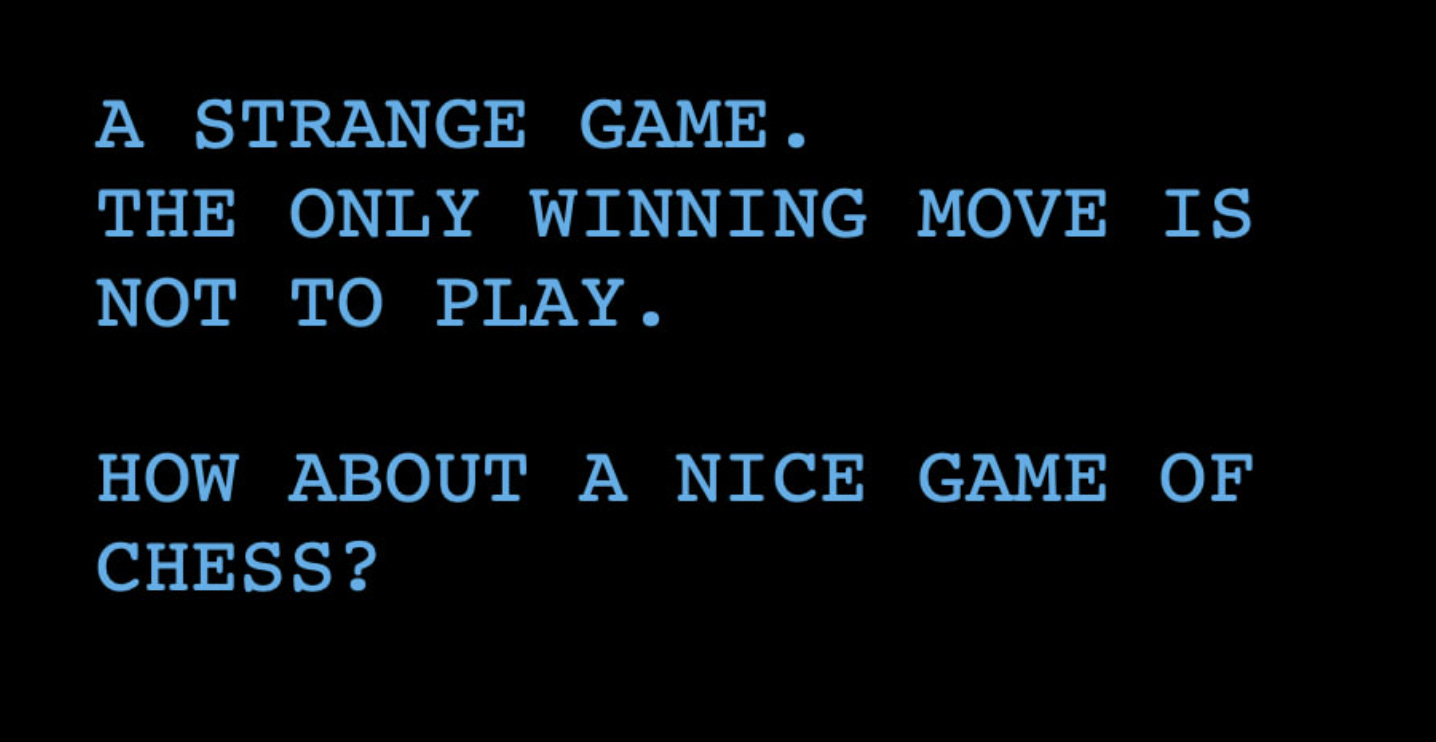
The only wining move is not to play

This is (I think) the final post in a three-part series on the Congressional "pay-for" game. If you missed the first two (shame on you, why haven't you subscribed?), you can find them here (Part 1 and Part 2).

My earlier posts focused on the fact that the "pay-for" game is a misnomer. Lawmakers pretend to "pay for" their spending by drafting legislation that—at least on paper—presents the Congressional Budget Office (CBO) with a "credible" (wink, wink) plan to zero out any budgetary impact from its spending. If you can keep the deficit from increasing, then you can claim that you have "paid for" your spending.

Bear in mind that this is a game. No one actually knows what the budget outcome will be next year, three years from now, or a decade from now. All lawmakers know is how much they're proposing to spend, say $3.5 trillion, and how they're proposing to offset the budgetary effects of that spending. What actually ends up happening to the deficit over time depends not only on deliberate changes to the tax code and planned spending but also on the future state of the (domestic and global) economy, the stock market, and a host of other unknowables.

CBO doesn't forecast recessions, but of course they're inevitable. And when the economy softens or goes into recession, the automatic stabilizers kick in, pushing certain federal outlays (e.g. unemployment insurance benefits) higher and tax receipts lower.1 That means that the revenue estimates that are used to "score" legislation today are only "paying for" proposed spending in the most tenuous sense of the phrase.

It's a numbers-on-paper game.

If the numbers turn out to be wildly off, so that the projected revenue never materializes, it doesn't even matter. The spending is baked in once the legislation becomes law. It's an ex ante "pay-for" game, meaning that lawmakers are just trying to tell a half-convincing story about how they plan to keep the proposed spending from adding to the deficit before they vote to authorize it.

Once the legislation passes—i.e. ex post— actual tax revenue can come in substantially lower than originally estimated. By that point, the game is over. The money will get spent regardless.2

Don't Call it a "Pay-For"

It's time to stop asking lawmakers, "How will you pay for it?" And it's time for members of Congress to stop responding to the question with a laundry list of so-called "pay-fors."

Why?

Because it obscures what the budgeting game is really about and because it traps us in the lexicon of the neoliberal household metaphor. It's bad economics masquerading as "sound finance" that constrains public policy by forcing members of Congress to act as if they need to budget like a household.

If you've read The Deficit Myth, then you know that the first chapter of the book is titled "Don't Think of a Household." I start there because the household budget analogy is at the root of so many other myths and misunderstandings about the way the budget works and what our nation can afford to spend. And since you're reading a newsletter called The Lens, you know that my analytical framework is filtered through the lens of MMT.

In MMT, we want to reveal (not obscure) the truth about the mechanics of government finance. To do that, we should avoid using terms and metaphors that work well when we apply them to currency users—households, businesses, provinces, or state and local governments—but have no applicability to a currency-issuing government like the U.S., China, the U.K, Japan, Sweden, Australia, Canada, and others.

Taxes are important in all of these countries, but not because they "pay for" what these nations spend on health care, education, the military, and so on. As Dean Baker put it:

"But we know the point of taxes is not actually to raise revenue, the point is to reduce consumption to decrease demand in the economy."

The Congressional "pay for" game gets this exactly backwards. Just think about it. Have you heard a single Democrat argue that the point of raising the corporate income tax rate, closing tax loopholes, or raising taxes on those making more than $400,000 is to dampen consumer spending in order to offset demand pressures in the economy?

I doubt it.

And that's because when you're playing CBO's budget scorekeeping game, the point of matching higher spending with higher taxes is to reduce pressure on the deficit. Whereas in MMT the budget outcome is never a target of concern. It might make sense, in the context of MMT, to pair higher taxes with higher spending, but not for the sake of keeping the deficit in check.

Instead of starting with the premise that all spending should be fully offset, MMT urges us to think harder about whether and how to offset any proposed new spending.

Let me give you an example. A few years ago, I worked with a team of economists to model the macroeconomic effects of student debt cancellation. Basically, we asked a hypothetical: "What would happen if all (then) $1.4 trillion in outstanding student loan debt was simply wiped away?" We could have modeled the policy assuming a wealth tax (or whatever) to "pay for" it, but that would have put the cart before the horse. Instead of assuming the need for offsets, we looked for evidence that the offsets were necessary to keep inflation in check. We didn't find it. Here's what the models told us:

"The inflationary effects of cancelling the debt are macroeconomically insignificant. In the Fair model simulations, additional inflation peaks at about 0.3 percentage points and turns negative in later years. In the Moody's model, the effect is even smaller, with the pickup in inflation peaking at a trivial 0.09 percentage points."

In other words, we found that there was ample "fiscal space" to cancel the debt without the need for offsets. Why? Because the impact on inflation was so trivial. Basically, the models told us that the economy could easily handle the induced increase in consumer spending so we wouldn't end up with "too much money chasing too few goods."

What if that hadn't been the case? What if our models had predicted a more worrying inflationary impulse? Well, that's when it makes sense to think about building in some offsets, not to "pay for" the spending but to keep it inflation-neutral. And that's where the hard work comes in. It's also where the MMT lens offers a distinct advantage over the conventional "pay-for" game.

When you're playing the conventional budgeting game, you're looking for big revenue raisers, like the so-called "ultra-millionaires" tax, which is estimated to bring in $3 trillion in revenue over 10 years. The problem is that a wealth tax makes a great (revenue) "pay-for" but a lousy (inflation) "offset."3

Here's how I put it in The Deficit Myth:

"There is a strong case to be made for taxing the rich, and we need to do it. But we need to do it strategically, recognizing that the purpose of the tax is not to pay for government expenditures but to help us rebalance the distribution of wealth and income because the extreme concentrations that exist today are a threat to both our democracy and to the functioning of our economy. Think about it. Jeff Bezos, the richest man in America, has an estimated net worth of $110 billion. How many fewer cars, swimming pools, tennis courts, or luxury vacations will Bezos purchase after 2 percent of his wealth is taxed away? The answer is not many. A small, annual tax on a fraction of his net worth isn't going to crowd out much of his spending. When it comes down to it, he's more of a saver than a spender. Billionaires save their wealth in the form of financial assets, real estate, fine art, and rare coins. A wealth tax might make the infrastructure bill appear fiscally responsible, but it makes a lousy offset…

The problem is that because this particular tax is levied on a tiny cadre of uber-rich people, it won't open up much (if any) fiscal space.

That doesn't make it a bad idea on other grounds! It just means it's not an effective way to mitigate inflation risk…

That's why MMT recommends a different approach to the federal budgeting process, one that integrates inflation risk into the decision- making process so that lawmakers are forced to stop and think about whether they have taken the necessary steps to guard against inflation risk before approving any new spending. MMT would make us safer in this respect because it recognizes that the best defense against inflation is a good offense. We don't want to allow excessive spending to cause inflation and then fight inflation after it happens. We want agencies like the CBO helping to evaluate new legislation for potential inflation risk before Congress commits to funding new programs so that the risks can be mitigated preemptively.

Share

So, you might say that MMT would have us replace the "pay-for" game with an "offset" game. It would force lawmakers to integrate inflation risk into the federal budgeting framework, and it would force them to be candid about the rationale for tax hikes or spending cuts.

Until then, look to people like House Budget Committee Chairman John Yarmuth (KY-03) and Senator Brian Schatz (D-HI) to lead the charge in moving us in the right direction.

"So, I don't play the pay-for game. I reject the pay-for game. After the Republicans did the $1.5 trillion in unpaid-for tax cuts, and as we're doing a bipartisan appropriations bill — which I support — which is also an increase in federal spending [that's] unpaid for ... I just reject the idea that only progressive ideas have to be paid for. We can work on that as we go through the process, but I think it's a trap…

One of the games that the Democrats do in response to, "How are you going to pay for it?" is you say, "Well, carried interest."

I could give you 14 things that would generate $1 trillion, but I just don't think we should be playing the pay-for game right now. 

1

Here is CBO looking at the effect of the automatic stabilizers on the federal budget.

2

That's because the Federal Reserve stands in partnership with Congress and the Treasury—as the government's fiscal agent—facilitating the smooth clearing of all government spending via a complex set of institutional arrangements and facilitating practices.

3

I should add that it only makes a great "pay-for" if you have the votes to pass it, and Democrats don't have the votes.


iPhoneから送信